

 English
 русский
 Français
 عربى
 Company News


Industry News
Home / News / Industry News / How to Add Color to Lotion: Colorant Options, Methods & Packaging Tips

Search
Categories
Recommend News
Categories
Recommend News
-
Industry News
-
Industry News
-
Industry News
Oct 22, 2026 - By admin
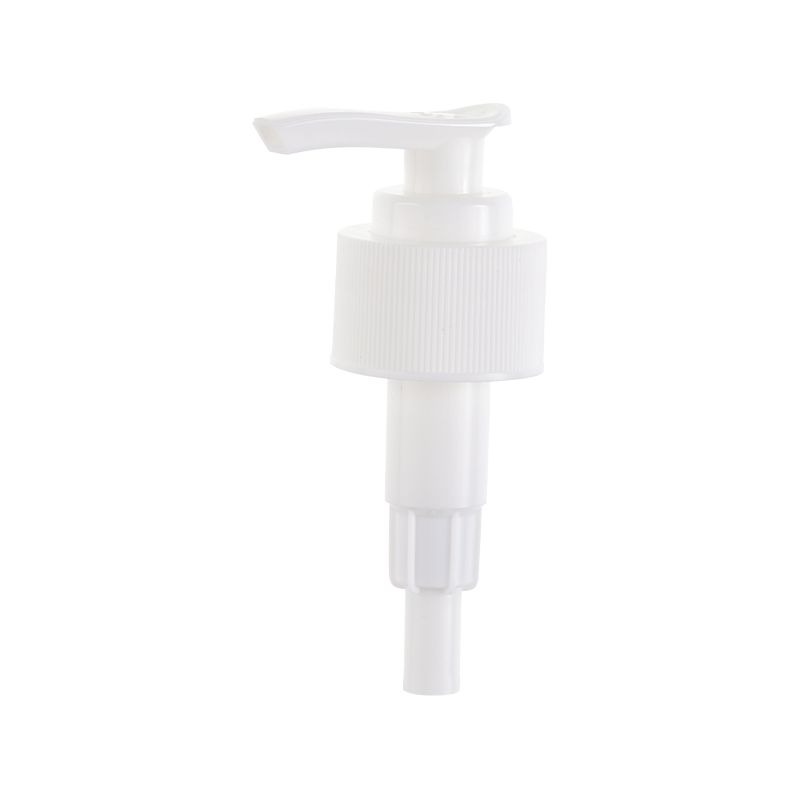 SJ302-A Screw Lotion Pump with A-Cap for Standard BottlesA versatile screw pump with secure cap options, delivering consistent output for lotions, hand soaps, and serums. Ideal for matching your bottle design.View Product →
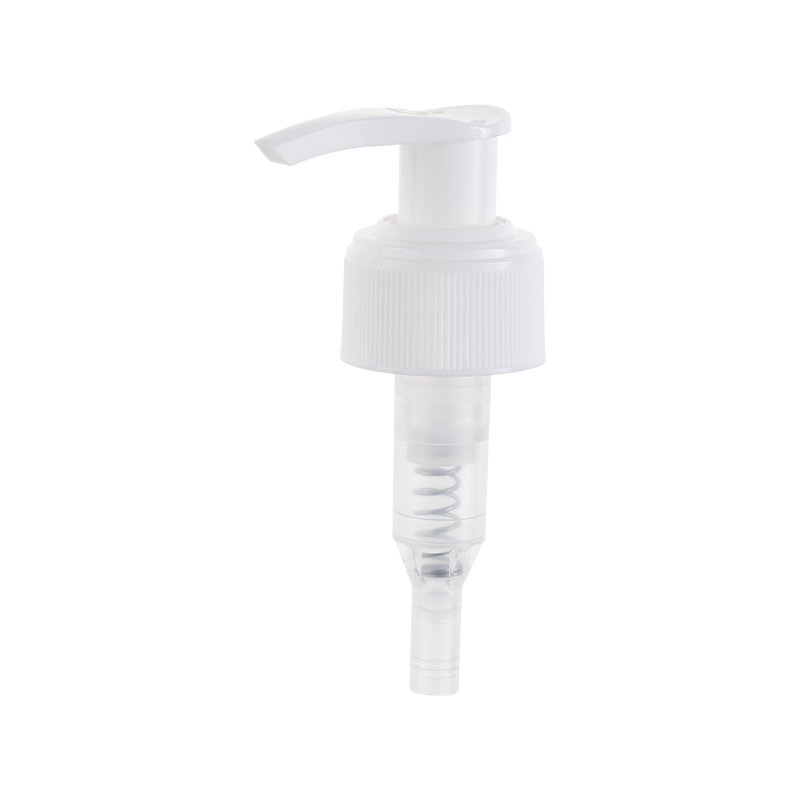 SJ303-A Left-Right Locking Pump with Duckbill SpoutThis pump features dual-direction locking and a duckbill spout to prevent leaks and accidental dispensing, making it suitable for travel and colored lotions that may stain belongings.View Product →
 SJ109-A1 Mini Trigger Sprayer for Lighter LiquidsCompact trigger sprayer offering smooth, uniform output for toners, body milks, or sample packs. Its one-hand operation and reliable sealing suit frequent spraying applications.View Product →
How to Add Color to Lotion: Colorant Options, Methods & Packaging Tips
Content
Adding color to lotion is one of the simplest ways to give a product its own identity. Whether you are a DIY formulator making gifts at home or a brand developer preparing a new line for launch, color is the first thing users notice before they even open the bottle. It communicates texture, mood, and ingredient character. But learning how to add color to lotion properly involves more than squeezing in a few drops of dye. You need to understand your base, choose compatible colorants, mix with care, and select packaging that keeps the finished product looking as good as it feels. This guide walks through each step with practical, experience-based advice.
Start With a Lotion Base That Accepts Color
Before adding any colorant, study the base you are working with. Most lotions are emulsions: blends of water, oil, and emulsifiers. The balance between these phases determines how well a colorant will disperse.
Light lotions and milks absorb water-soluble liquid dyes easily. Oil-rich creams and body butters respond better to pigments that suspend in the oil phase, such as mica or iron oxides. Add a water-soluble dye directly to an oil-heavy formula without pre-dispersion, and you will likely see streaks and blotches instead of a smooth tint.
The principle is simple: match the colorant to the continuous phase of your emulsion. If water dominates, use water-dispersible dyes. If oils and butters dominate, pre-mix your pigment with a little oil before blending it in. Taking this one step prevents most common coloring failures.
Choose the Right Colorant for Your Lotion
Not all colorants are created equal. The best choice depends on the finish you want, the texture of your formula, and how stable the color needs to be over time.
Liquid Dyes
Liquid cosmetic dyes are the most straightforward option. They are highly concentrated, blend quickly, and give precise control over shade intensity. A single drop can tint an entire small batch, so start with tiny amounts and build upward. Liquid dyes work best in lighter lotions and milks where a soft, translucent color is desired.
Mica Powders
Mica is a mineral pigment that creates shimmer, pearl-like glow, and more opaque color. Because mica particles do not dissolve, they must be dispersed evenly through the formula. The reliable method is to mix mica with a small amount of oil or glycerin to form a smooth paste, then fold that paste into the lotion. Adding mica directly as a powder often produces visible specks.
Oxide Pigments
Iron oxides and other mineral pigments deliver dense, natural-looking shades with excellent fade resistance. They suit tinted body butters, sunscreen creams, and products where a matte, non-glittery finish is preferred. The trade-off is opacity: oxides can mute the glossy look of a rich emulsion, so reserve them for when a heavier, more opaque color is the goal.
| Colorant Type | Best Suited For | Mixing Approach | Finish |
|---|---|---|---|
| Liquid dyes | Light lotions, milks, pastel shades | Pre-dilute in water phase | Sheer and translucent |
| Mica powders | Shimmer and pearl effects | Pre-mix with oil or glycerin | Pearlescent |
| Oxide pigments | Tinted creams, matte finishes | Pre-mix with oil | Opaque and matte |
How to Add Color to Lotion: Step-by-Step
The process of coloring lotion is straightforward if you follow a disciplined sequence. Here is the method we recommend for small-batch work.
- Make a small test batch. Never color an entire production run on the first attempt. Prepare a 50-gram sample and record exactly how much colorant you add.
- Pre-disperse the colorant. Dilute liquid dye in a teaspoon of water. Mix mica or oxide powders with a little oil until no dry particles remain.
- Fold the colorant into the lotion. Use a spatula or low-speed mixer. Avoid aggressive whipping, which introduces air bubbles and can destabilize the emulsion.
- Let the batch rest. Colors look different immediately after mixing because of trapped air and temperature effects. Wait 12 to 24 hours, then evaluate the final shade.
- Record your formula. Write down the exact quantities used. This becomes your reference for scaling up or recreating the shade later.
Tips for Even Color and Stable Texture
Getting an even, professional-looking color comes down to technique. These tips come from years of working alongside cosmetic manufacturers who care deeply about consistency.
- Add colorant in stages. It is far easier to deepen a shade than to lighten it.
- Keep mixing speed low. High shear can damage the emulsion and cause separation.
- Wait for the lotion to cool below 40°C before adding color. Heat can cause some colorants to clump.
- Run a 48-hour bleed test. Some dyes migrate over time, especially in water-heavy formulas. Place a drop on white paper and check for spreading.
- Test in your final container. Colored lotions look different in clear, frosted, and amber packaging. Always verify the shade in the bottle you intend to use.
Safety, Stability, and Shelf Life
Colorants must be safe for leave-on skin contact. Always purchase cosmetic-grade colorants from reputable suppliers and verify that they are approved for leave-on formulations. Some dyes are only intended for rinse-off products and can cause irritation when left on the skin.
Adding color also introduces extra contaminants into your formula, so your preservative system needs enough capacity to handle the increased microbial load. For homemade lotions, color smaller batches and use them within a few weeks.
Light exposure is another hidden factor. Many organic dyes fade quickly in direct sunlight. If you are packaging in a clear bottle, choose UV-stable pigments or add a UV absorber to extend the life of your color.
Packaging Your Colored Lotion: Pump Selection Matters
Once you have perfected the color, the pump on your bottle becomes part of the overall impression. A well-matched pump protects the formula, dispenses a consistent amount, and reinforces the quality of what is inside. Understanding how lotion thickness relates to pump performance can save you from trial and error later. Our guide on plastic lotion pumps covers the relationship between output volume and viscosity in practical detail.
For most standard lotion bottles, a screw lotion pump with a secure cap is a versatile choice. It fits a wide range of neck sizes and delivers consistent output stroke after stroke. The SJ302 series, for example, combines a dependable pump body with several cap styles, so you can match the pump to your bottle's design without sacrificing function.
SJ302-A Screw Lotion Pump with A-Cap for Standard BottlesA versatile screw pump with secure cap options, delivering consistent output for lotions, hand soaps, and serums. Ideal for matching your bottle design.View Product →
If your colored lotion is designed for travel, gym bags, or on-the-go use, consider a pump with a left-right locking mechanism. The lock prevents accidental dispensing during transport, which matters especially when your product contains pigment that could stain fabric or other belongings. Both internal and external pump structures are available, and the choice between them depends largely on the viscosity of your formula.
SJ303-A Left-Right Locking Pump with Duckbill SpoutThis pump features dual-direction locking and a duckbill spout to prevent leaks and accidental dispensing, making it suitable for travel and colored lotions that may stain belongings.View Product →
For lighter lotions, body milks, or sprayable toners, a mini trigger sprayer creates a completely different dispensing experience. Its compact size is ideal for sample packs and travel sets, and the choice between trigger-style and button-style actuators lets you tailor the feel of the product to match your brand. If you are curious about how these sprayers are constructed, our analysis of trigger sprayer structures covers the main components and material options.
SJ109-A1 Mini Trigger Sprayer for Lighter LiquidsCompact trigger sprayer offering smooth, uniform output for toners, body milks, or sample packs. Its one-hand operation and reliable sealing suit frequent spraying applications.View Product →Adding color to lotion is part creativity, part chemistry. Choose compatible colorants, mix with patience, and always test before scaling up. When the color is right, the right pump makes the final step effortless: protecting your formula, delivering a consistent dose, and turning every use into a pleasant experience. Whether you are crafting a single batch at home or bringing a new product line to market, the same principles hold. Start small, observe closely, and let quality guide every decision.
You may also like…



Ready To Customise Your Products?
Specializing in the production of mouse spray gun,
square gun, long rod spray, screw pump, switch pump, detergent pump, small
spray pump and other products
Product Categories
News
Contact Us
-
 Telephone: +86-18857413535
-
 Email: sales01@shangjiasprayer.com
-
 Whatsapp: 8615067463359
-
 Company Address No. 4 Xieli Road, Simen Town, Yuyao City, Ningbo City, Zhejiang Province
