

 English
 русский
 Français
 عربى
عربى Company News


Industry News
Home / News / Industry News / A Comprehensive Analysis of Plastic Trigger Sprayers: Structure, Materials, and Selection Guide

Search
Categories
Recommend News
Categories
Recommend News
-
Industry News
-
Industry News
-
Company News
Sep 15, 2026 - By admin
A Comprehensive Analysis of Plastic Trigger Sprayers: Structure, Materials, and Selection Guide
Content
- 1 What a Trigger Sprayer Actually Is
- 2 The Anatomy of a Trigger Sprayer
- 3 How the Mechanism Works Stroke by Stroke
- 4 Materials Used in Trigger Sprayer Manufacturing
- 5 Spray Pattern Types and Nozzle Design
- 6 Thread Finish and Bottle Compatibility
- 7 Performance Factors That Matter
- 8 Chemical Resistance and Material Matching
- 9 Common Applications by Industry
- 10 A Practical Selection Framework
- 11 Quality Control and Testing
- 12 Sustainability and Recyclability
- 13 Closing Thoughts
Packaging Component Guide
A practical technical breakdown of how trigger sprayers are built, what they are made from, and how to choose the right one for a specific liquid, bottle, and application.
In This Article
- What a Trigger Sprayer Actually Is
- The Anatomy of a Trigger Sprayer
- How the Mechanism Works Stroke by Stroke
- Materials Used in Trigger Sprayer Manufacturing
- Spray Pattern Types and Nozzle Design
- Thread Finish and Bottle Compatibility
- Performance Factors That Matter
- Chemical Resistance and Material Matching
- Common Applications by Industry
- A Practical Selection Framework
- Quality Control and Testing
- Sustainability and Recyclability
- Closing Thoughts
01
What a Trigger Sprayer Actually Is
A plastic trigger sprayer is a small mechanical pump mounted on top of a bottle that converts the squeezing motion of a finger into a controlled burst of liquid, delivered as a stream, a mist, or a foam depending on the nozzle fitted to it.
Unlike an aerosol can, which relies on pressurized gas to push liquid out, a trigger sprayer is entirely mechanical. It uses a simple piston and valve system to draw liquid up a dip tube and force it out through a nozzle orifice each time the trigger is pulled. This makes it reusable, refillable, and free of propellant gases, which is one reason it has become the dominant dispensing method for household cleaners, personal care liquids, and many agricultural products.
Trigger sprayers are molded almost entirely from plastic resins, with a small number of metal or elastomer parts used for the spring and sealing components. The combination of low manufacturing cost, chemical versatility, and mechanical reliability has made them one of the most widely used dispensing closures in the packaging industry today.
A well designed trigger sprayer should deliver a consistent output per stroke, resist leaking when the bottle is tilted or dropped, and hold up to repeated use without the plastic cracking or the internal seals wearing out.
02
The Anatomy of a Trigger Sprayer
Although a trigger sprayer looks like a single molded unit from the outside, it is actually an assembly of eight to twelve individual parts working together. Understanding each part helps explain why material choice and tolerance control matter so much in this category of packaging component.
Core Components
- Closure and HousingThe outer shell that screws onto the bottle neck and holds all internal parts in place. It forms the structural frame of the entire assembly.
- Trigger LeverThe finger operated arm that the user pulls. It transfers manual force into the piston chamber through a small internal arm or cam surface.
- Piston and CylinderThe piston slides inside the cylinder to create the pumping action, drawing liquid in on the return stroke and pushing it out on the pull stroke.
- Return SpringPushes the trigger and piston back to the starting position after each pull, allowing repeated strokes without manual resetting.
- Inlet Valve (Ball or Flap)Allows liquid to flow from the dip tube into the pump chamber but prevents it from flowing back out during the pressure stroke.
- Outlet ValveOpens to let pressurized liquid pass toward the nozzle, then closes to stop drips once pressure drops.
- Dip TubeA rigid or semi rigid tube extending from the pump base to near the bottom of the bottle, pulling liquid up from the reservoir.
- Nozzle CapThe rotating or fixed tip at the front of the sprayer that shapes the liquid into a stream, spray, or off position.
- Shipping ClipA small plastic locking piece inserted during transport to prevent the trigger from being accidentally activated and leaking in transit.
Each of these parts is typically injection molded separately and then assembled on automated lines. Tolerances between the piston and cylinder wall are especially critical, since even a small gap can allow liquid to leak past the piston instead of being pushed out through the nozzle, resulting in weak spray performance and product waste.
03
How the Mechanism Works Stroke by Stroke
The operating cycle of a trigger sprayer happens in a fraction of a second, but it can be broken down into three distinct phases that repeat every time the trigger is squeezed and released.
Phase One: The Pull Stroke
When the trigger is pulled toward the housing, it pushes the piston forward inside the cylinder. This compresses the liquid already sitting in the pump chamber. The rising pressure forces the inlet valve to close, sealing off the dip tube side, while the outlet valve opens to let the pressurized liquid escape toward the nozzle.
Phase Two: Liquid Discharge
As the liquid is forced through the narrow nozzle orifice, it is shaped into whichever pattern the nozzle is set to. In a mist setting, the orifice geometry breaks the liquid stream into fine droplets. In a stream setting, a wider opening lets the liquid exit as a single jet with more reach and less dispersion.
Phase Three: The Return Stroke
Once the finger releases pressure on the trigger, the return spring pushes the trigger and piston back to their starting position. This creates a drop in pressure inside the pump chamber, which closes the outlet valve to stop any further discharge and opens the inlet valve, allowing fresh liquid to be drawn up the dip tube to refill the chamber for the next stroke.
This cycle can repeat hundreds of thousands of times over the life of a bottle, which is why the spring material, piston fit, and valve seating surfaces need to be engineered for long term fatigue resistance rather than just a single use test.
04
Materials Used in Trigger Sprayer Manufacturing
Material selection in trigger sprayer production is driven by three competing requirements: chemical resistance to the product being dispensed, mechanical durability under repeated flexing, and low enough cost to remain viable for a component that is often discarded with the bottle.
Polypropylene (PP)
Polypropylene is the most common material for the housing, trigger lever, and nozzle cap. It offers a good balance of stiffness and flexibility, tolerates a wide range of chemicals including many acids, alkalis, and solvents, and can be injection molded with tight tolerances at high volume. Its living hinge properties also make it suitable for parts that need to flex repeatedly, such as the trigger arm itself.
High Density Polyethylene (HDPE) and Low Density Polyethylene (LDPE)
These resins are sometimes used for the dip tube and certain gaskets because of their flexibility and resistance to cracking under bending stress. HDPE dip tubes in particular resist becoming brittle when exposed to strong cleaning chemicals over long storage periods.
Polyacetal or Polyoxymethylene (POM)
POM is frequently chosen for the piston and cylinder walls because of its low friction coefficient and dimensional stability. A low friction piston reduces wear on the cylinder bore over thousands of cycles and helps maintain consistent spray output as the sprayer ages.
Stainless Steel
The return spring inside the trigger mechanism is almost always made from stainless steel wire. Steel provides the elasticity needed for a reliable return stroke without fatiguing after repeated compression, and stainless grades resist corrosion from moisture that can accumulate inside the pump housing.
Elastomers such as EPDM or Viton
Gaskets and seals that sit at the valve seats are often made from elastomeric compounds like ethylene propylene diene monomer or fluoroelastomer materials. These provide the flexibility needed to form a tight seal against the valve ball while resisting swelling or degradation from aggressive chemicals such as solvents or concentrated acids.
| Component | Typical Material | Reason for Choice |
|---|---|---|
| Housing and Trigger | Polypropylene | Stiffness combined with flex tolerance and broad chemical resistance |
| Piston and Cylinder | Polyacetal | Low friction surface and dimensional stability over time |
| Dip Tube | Polyethylene | Flexibility to bend inside curved bottle shapes without cracking |
| Return Spring | Stainless Steel | Long term elasticity and corrosion resistance |
| Valve Seals | EPDM or Viton | Tight sealing against aggressive chemical formulas |
05
Spray Pattern Types and Nozzle Design
The nozzle cap is usually the most visible and most frequently interacted with part of the sprayer, and it is where the spray pattern is actually formed. Most trigger sprayers on the market today offer between two and four discharge settings, controlled by rotating the nozzle cap.
Stream Setting
A stream setting sends liquid out as a single continuous jet, useful when the user wants to target a specific spot at a distance, such as spraying a weed killer at the base of a plant or directing a cleaner into a tight corner.
Mist or Spray Setting
The mist setting breaks the liquid into a fine cloud of droplets by forcing it through a small orifice at an angle that induces turbulence. This setting is preferred for surface cleaners, hair products, and skin care liquids where even coverage over a wide area matters more than reach.
Off or Lock Setting
Many nozzles include a position that blocks the outlet entirely, preventing accidental discharge during storage or transport. This is a separate feature from the shipping clip and remains available for the entire life of the product.
Foam Setting
Some specialty trigger sprayers, often used for car care or specialty cleaning products, include a foam generating insert that mixes air into the liquid as it exits, producing a thick foam useful for cling and dwell time on vertical surfaces.
06
Thread Finish and Bottle Compatibility
A trigger sprayer only functions correctly if its threaded closure matches the neck finish of the bottle it is paired with. In the packaging industry, neck finishes are described using a two number code, such as 28/400 or 24/410, where the first number is the outer diameter of the bottle neck in millimeters and the second number refers to a standardized thread design.
Common Neck Finish Sizes for Trigger Sprayers
- 28/400 and 28/410Among the most widely used sizes for household cleaning bottles and general purpose sprayers.
- 24/410Common on smaller personal care and cosmetic bottles where a lighter weight sprayer fits the bottle proportions.
- 20/410Used on compact bottles, often for travel sized or sample products.
Choosing the wrong neck finish is one of the most common and easily avoidable mistakes when sourcing trigger sprayers, since a mismatch will either fail to seal properly or simply not thread onto the bottle at all. Buyers should always confirm neck finish specifications against the exact bottle they intend to pair with the sprayer, and ideally request a fit sample before committing to a large production run.
07
Performance Factors That Matter
Beyond basic function, several measurable performance characteristics separate a well engineered trigger sprayer from a poorly made one. These factors are worth understanding whether purchasing sprayers for a private label product or evaluating a supplier.
Output Per Stroke
This measures the volume of liquid dispensed with a single full pull of the trigger, typically expressed in milliliters. Standard trigger sprayers usually deliver between one and two milliliters per stroke, though some heavy duty designs deliver more for industrial or agricultural applications where faster coverage is needed.
Leak Resistance
A quality sprayer should not drip or leak when the bottle is tipped, shaken, or dropped from a normal handling height. This depends heavily on the precision of the valve seating and the elasticity of the sealing gasket.
Actuation Force
This is the amount of finger pressure required to fully depress the trigger. Sprayers intended for repeated use, such as commercial cleaning products used by staff throughout a workday, benefit from a lower actuation force to reduce hand fatigue.
Cycle Life
Cycle life refers to how many times the trigger can be pulled before performance noticeably degrades, whether through spring fatigue, piston wear, or seal hardening. Reputable manufacturers test sprayers to tens of thousands of cycles to simulate the full expected life of the product.
A sprayer that performs well on day one but fails after a few hundred uses creates a poor user experience and can lead to product waste from leaking or weak spray, making cycle testing one of the most valuable quality indicators to request from a supplier.
08
Chemical Resistance and Material Matching
The single most important technical decision when specifying a trigger sprayer is matching its internal materials to the chemical profile of the liquid it will dispense. Different formulas interact very differently with plastic and elastomer components.
Alkaline Cleaning Products
Products with a high pH, such as degreasers and many household surface cleaners, are generally well tolerated by polypropylene and polyethylene components, making standard trigger sprayers suitable for most of these formulas.
Acidic Formulas
Descalers, rust removers, and other acidic products can degrade certain elastomer seals over time. Viton or specially formulated gaskets are often recommended for these applications to prevent premature seal failure and leaking.
Solvent Based Products
Formulas containing alcohols, glycol ethers, or other solvents can cause standard plastics to swell or become brittle. Sprayers intended for solvent based cleaners or automotive products typically require solvent resistant resin grades and compatible gasket materials, and should always be tested with the actual formula before full scale production.
Agrochemical Formulas
Pesticides, herbicides, and fertilizers often contain aggressive active ingredients that can be particularly harsh on standard seal materials. Agricultural grade trigger sprayers are frequently built with reinforced gaskets and thicker walled dip tubes to withstand prolonged chemical exposure in outdoor conditions.
Before finalizing a sprayer choice for any new product formula, it is standard industry practice to run a compatibility trial, filling sample bottles with the actual liquid and storing them at room temperature and elevated temperature for several weeks while checking for leaking, seal swelling, discoloration, or reduced spray performance.
09
Common Applications by Industry
Where Trigger Sprayers Are Used
- Household CleaningGlass cleaners, all purpose cleaners, disinfectants, and bathroom sprays represent the largest single category of trigger sprayer use.
- Personal CareHair styling sprays, facial mists, and body sprays often use smaller, lighter weight sprayers with fine mist nozzles.
- Agriculture and GardeningHandheld pesticide and fertilizer sprayers rely on chemical resistant trigger units built for outdoor durability.
- Automotive CareTire shine, interior cleaners, and detailing sprays sometimes use foam capable trigger sprayers for better surface cling.
- Industrial and JanitorialCommercial facilities use heavy duty sprayers rated for high cycle counts and frequent daily use by cleaning staff.
- Pet CareGrooming sprays and odor control products often favor gentle mist settings suited to close range application.
10
A Practical Selection Framework
Choosing the right trigger sprayer for a product does not need to be complicated if the decision is broken down into a clear sequence of questions. The following framework reflects the order in which most experienced packaging buyers actually work through the decision.
1
Confirm the Bottle Neck Finish
Start by identifying the exact neck finish of the bottle in use, since this immediately narrows the field to compatible sprayer models.
2
Identify the Liquid Chemistry
Determine the pH, solvent content, and any aggressive active ingredients in the formula to guide material selection for seals and internal parts.
3
Define the Required Spray Pattern
Decide whether the end use calls for a fine mist, a targeted stream, multiple adjustable settings, or a foam output.
4
Set Output and Ergonomic Targets
Consider how much liquid should be dispensed per stroke and how much actuation force is appropriate for the intended user and frequency of use.
5
Request Compatibility and Cycle Testing
Ask the supplier for chemical compatibility data and cycle life results, or run an in house trial with the actual product formula before committing to production volumes.
6
Evaluate Cost Against Volume
Balance unit cost against order volume, keeping in mind that specialty materials for aggressive chemicals typically carry a price premium over standard resin grades.
11
Quality Control and Testing
Reliable trigger sprayer suppliers apply a series of standardized tests before parts ship to a customer. Understanding these tests helps buyers ask informed questions during supplier evaluation.
Leak Testing
Assembled sprayers are typically filled with water or a test liquid, inverted, and checked for any dripping around the piston, valve seats, or closure threads over a defined period of time.
Spray Pattern Consistency
Output is measured across multiple strokes to confirm consistent volume delivery and an even spray pattern without gaps, streaking, or drift.
Cycle Testing
Automated equipment repeatedly actuates the trigger thousands of times to simulate months or years of consumer use, checking for spring fatigue, piston wear, or a decline in output volume.
Drop and Transport Testing
Filled bottles are dropped from standard handling heights to confirm that the shipping clip and closure hold up during distribution without leaking or dislodging.
12
Sustainability and Recyclability
As packaging regulations tighten across many markets, recyclability has become a growing consideration in trigger sprayer design. Because a sprayer is made of multiple different resins and includes a metal spring, it is historically one of the harder packaging components to recycle as a whole unit.
Manufacturers have responded with a few notable approaches. Some have redesigned sprayers to use a single resin family across more components, simplifying separation at recycling facilities. Others have replaced the metal spring with an engineered plastic spring, allowing the entire sprayer to be processed through standard plastic recycling streams. Lighter weight designs that reduce overall plastic mass per unit are also increasingly common, reducing material use without compromising function.
Buyers focused on sustainability goals should ask suppliers directly about resin composition, spring material, and whether a given sprayer model has been evaluated for recyclability under relevant regional packaging standards.
13
Closing Thoughts
A plastic trigger sprayer may look like a simple accessory sitting on top of a bottle, but it is a precisely engineered mechanical assembly built from multiple materials chosen for very specific reasons. From the polypropylene housing to the stainless steel spring and the elastomer seals guarding each valve, every component plays a role in delivering consistent, leak free performance over thousands of uses.
For anyone sourcing or specifying trigger sprayers, the path to a good outcome is straightforward: confirm the bottle neck finish, understand the chemistry of the liquid being dispensed, define the spray pattern and ergonomic needs of the end user, and verify performance through compatibility and cycle testing before committing to full production. Getting these fundamentals right results in a dispensing solution that performs reliably from the first spray to the last.
You may also like…
-
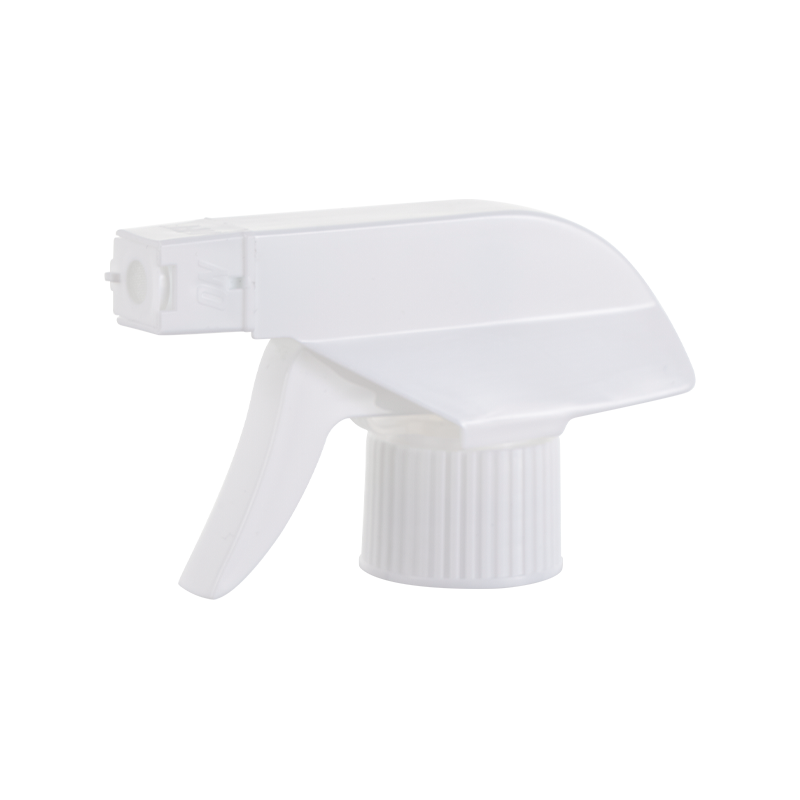 Standard Trigger Sprayer SJ305-A-P Type A Standard Square Trigger Sprayer with Plastic Mesh Foam Nozzle View More
-
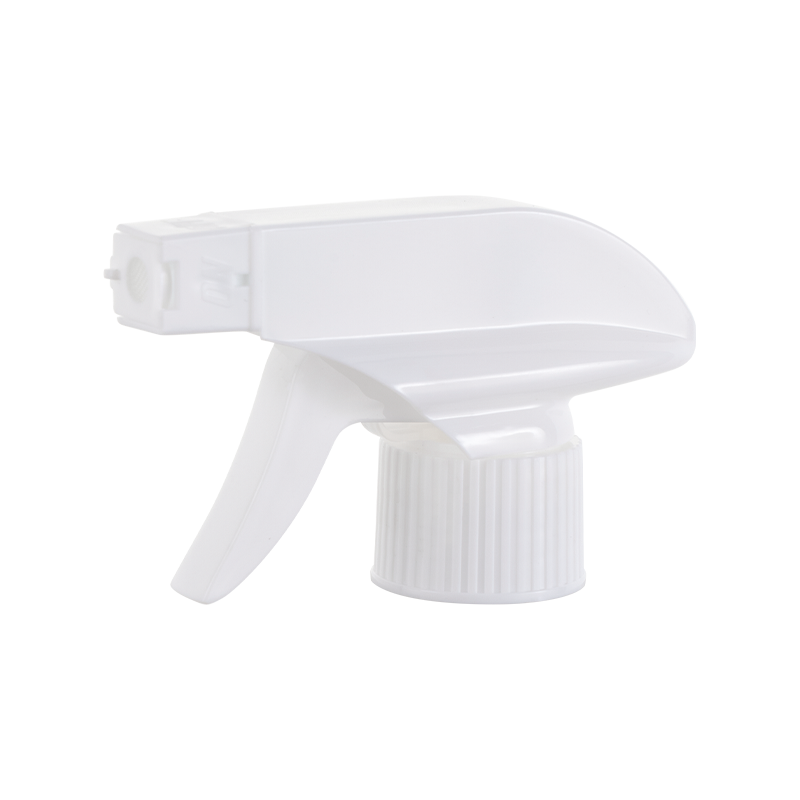 Standard Trigger Sprayer SJ305-F-P Type F Standard Square Trigger Sprayer with Plastic Mesh Foam Nozzle View More
-
-
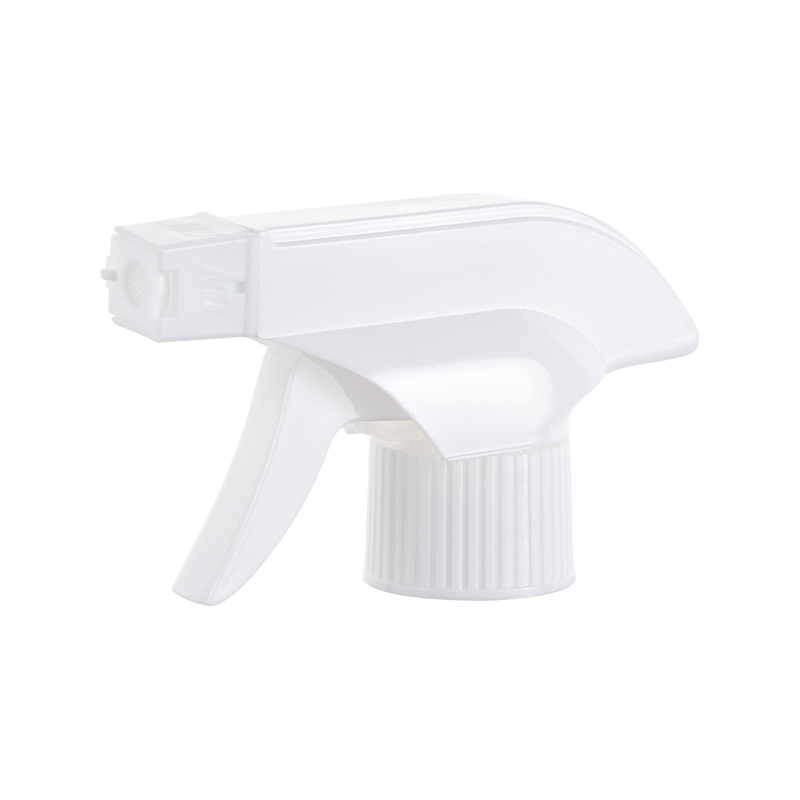 Standard Trigger Sprayer SJ305-E-P Type E Standard Square Trigger Sprayer with Plastic Mesh Foam Nozzle View More
-
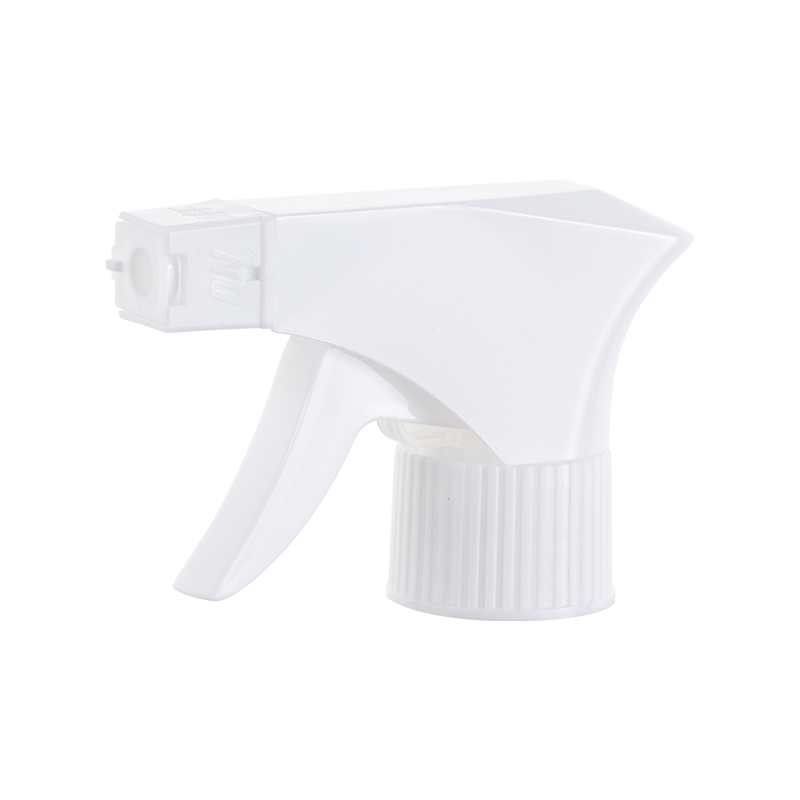 Standard Trigger Sprayer SJ305-D-P Type D Standard Square Trigger Sprayer with Plastic Mesh Foam Nozzle View More
-
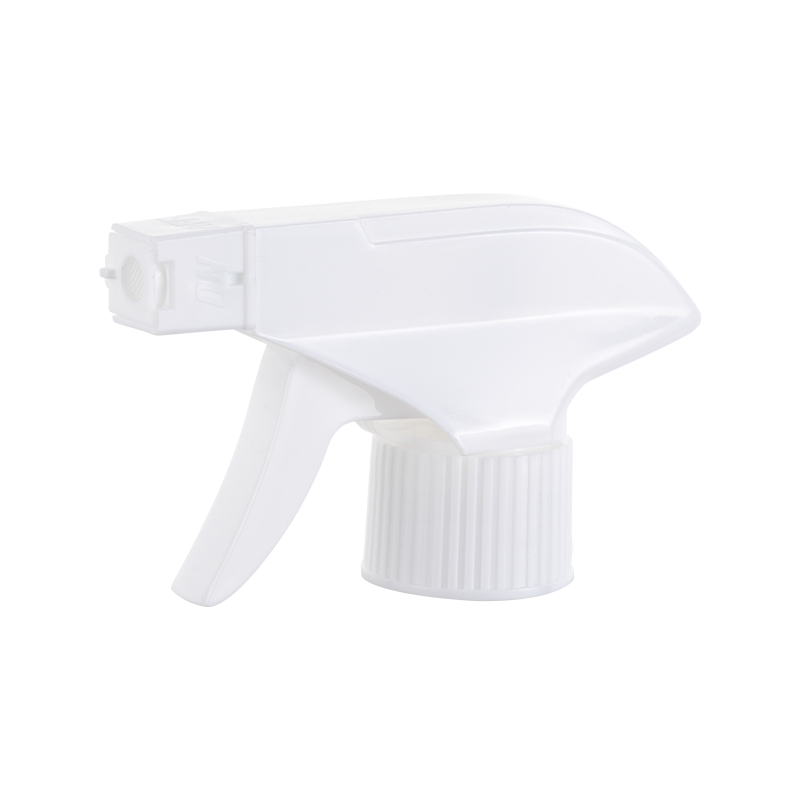 Standard Trigger Sprayer SJ305-C-P Type C Standard Square Trigger Sprayer with Plastic Mesh Foam Nozzle View More
Ready To Customise Your Products?
Specializing in the production of mouse spray gun,
square gun, long rod spray, screw pump, switch pump, detergent pump, small
spray pump and other products
Product Categories
News
Contact Us
-
 Telephone: +86-18857413535
 -
 Email: sales01@shangjiasprayer.com
 -
 Whatsapp: 8615067463359
 -
 Company Address No. 4 Xieli Road, Simen Town, Yuyao City, Ningbo City, Zhejiang Province
