

 English
 русский
 Français
 عربى
عربى Company News


Industry News
Home / News / Industry News / Plastic Lotion Pumps Explained: Output Volume, Viscosity Matching, and Leak-Proof Design
Search
Categories
Recommend News
Categories
Recommend News
-
Industry News
-
Company News
-
Industry News
Sep 14, 2026 - By admin
Plastic Lotion Pumps Explained: Output Volume, Viscosity Matching, and Leak-Proof Design
Content
- 1 What Happens Inside a Pump With Every Press
- 2 Output Volume and Why It Is the Single Most Important Spec
- 3 Matching Actuation Force to Product Viscosity
- 4 Dip Tube Length and Why It Cannot Be a Standard Part
- 5 Closure Sizes and Bottle Neck Compatibility
- 6 Locking Mechanisms That Keep Pumps Leak-Free in Transit
- 7 Material Choices and Chemical Compatibility
- 8 Common Failure Points and How Sourcing Decisions Prevent Them
- 9 Sustainability Trade-Offs Worth Understanding
- 9.1 What output size is standard for a body lotion pump?
- 9.2 Can the same pump work with both thin and thick lotions?
- 9.3 Why does a new pump sometimes need several presses before it dispenses anything?
- 9.4 How is the correct dip tube length determined for a given bottle?
- 9.5 Are plastic lotion pumps recyclable?
The right plastic lotion pump comes down to one number more than anything else: output volume per stroke, measured in cubic centimeters (cc). Get that wrong and the rest of the packaging — bottle size, dosage instructions, even how long a bottle lasts a customer — falls out of alignment. Everything else, from thread size to dip tube length to locking style, exists to support that single dose delivering the same amount, every time, for the life of the bottle.
What Happens Inside a Pump With Every Press
A plastic lotion pump is a small piston system: pressing the actuator compresses a spring-loaded chamber, which pushes product through a one-way ball valve and out the nozzle, while a second one-way valve at the base draws replacement liquid up the dip tube on the return stroke. Both valves only open in one direction, which is what stops product from siphoning back into the bottle or air from bubbling in and causing the pump to sputter on the next press.
This two-valve design is why a lotion pump can dispense a thick, viscous product in a controlled dose, unlike a simple flip-top cap that relies on gravity and squeezing. The trade-off is mechanical complexity: a standard pump contains between 7 and 10 individual components — actuator, closure, gasket, piston, spring, housing, two valve balls, and dip tube — each of which has to seal correctly for the pump to hold prime.
PressActuator compresses chamber
→
DischargeOutlet valve opens, product exits
→
ReleaseSpring returns piston up
→
RefillInlet valve draws liquid up
Output Volume and Why It Is the Single Most Important Spec
Output volume is typically expressed in cc per full stroke, and it is the figure that determines how many uses a bottle will actually provide — a detail that directly affects perceived value and repurchase timing. A 200 ml bottle paired with a 0.5 cc pump yields roughly 400 full presses; the same bottle with a 2 cc pump yields only around 100. Neither number is inherently better, but mismatching the pump to the product's intended use case creates a common complaint: bottles that "run out too fast" or, just as often, "barely dispense anything."
Typical Output Volume by Pump Category (cc per stroke)
Fine mist / serum pump
0.2–0.3cc
Standard lotion pump
0.5–1.2cc
Cream / heavy lotion pump
1.5–2.5cc
Bulk dispensing pump
3–4cc
Output tolerance matters just as much as the target figure. A well-manufactured pump holds dose consistency within roughly ±0.1 cc across thousands of actuations; a poorly toleranced one can drift by 0.3 cc or more as the spring fatigues, which over a production run translates directly into inconsistent product usage and skewed cost-per-unit calculations for the brand filling the bottles.
Matching Actuation Force to Product Viscosity
The force needed to fully depress a pump rises sharply with the viscosity of the liquid inside it, and pump manufacturers size the spring and piston bore specifically around an expected viscosity range. A pump engineered for a light, watery lotion (around 200–500 centipoise) will struggle to move a thick body butter (5,000+ centipoise) through the same orifice, often requiring two or three presses to prime and dispense a usable amount — a frustrating first impression for anyone unboxing a new product.
Actuation Force Required vs. Product Viscosity
Approximate relationship between fluid viscosity and force needed at the actuator — force roughly doubles between light lotion and heavy cream-range products.
This is why viscosity range should be one of the first specifications shared with a pump supplier, not an afterthought discovered after filling trials begin. A mismatch discovered late in development often means re-tooling the piston bore or spring rate, both of which add weeks to a packaging timeline.
Dip Tube Length and Why It Cannot Be a Standard Part
Unlike the pump head itself, the dip tube is never a universal component — it has to be cut to match the exact internal height of the bottle it will sit inside, with roughly 3 to 5 millimeters of clearance from the bottle's interior floor. Too long, and the tube bends or the pump won't seat correctly in the neck finish; too short, and a noticeable amount of product — sometimes 10% or more of total fill volume — becomes unreachable once the liquid level drops below the tube's opening.
A 200 ml bottle with a dip tube cut 8mm short can leave upward of 15–18 ml of product stranded at the bottom — a measurable loss when scaled across a production run of tens of thousands of units.
Dip tube diameter also affects how well a pump handles higher-viscosity products: a narrow tube creates more flow resistance, which can starve the pump chamber on the upstroke and cause the classic "pumps air on the second press" complaint, particularly as a bottle nears empty.
Closure Sizes and Bottle Neck Compatibility
Pump closures are manufactured to standardized neck finish sizes, most commonly expressed as a two-part code such as 20/410 or 24/410 — the first number is the inner diameter of the neck in millimeters, and the second refers to the thread style and finish height. Matching this code exactly to the bottle's neck specification is non-negotiable; a close-but-not-exact match may thread on visually but fail to seal fully, leading to slow leaks during transport that only become apparent after a shipment has already left the warehouse.
| Neck Finish Code | Typical Bottle Size Range | Common Use Case |
| 18/410 | 15–50 ml | Travel-size or sample lotions |
| 20/410 | 50–150 ml | Facial lotions, serums |
| 24/410 | 150–300 ml | Standard body lotion bottles |
| 28/410 / 33/410 | 300–1000 ml | Bulk or professional-size lotion bottles |
Locking Mechanisms That Keep Pumps Leak-Free in Transit
Most plastic lotion pumps ship with some form of transit lock — a mechanism that holds the actuator down and seated so the piston cannot move and product cannot escape from vibration or pressure changes during shipping, especially by air freight where cabin pressure shifts can force liquid through an unlocked valve.
Twist-to-lock collar
Push-down safety clip
Over-cap shipping seal
Tamper-evident band
A twist-to-lock collar, which rotates the actuator into a notched position that mechanically prevents downward travel, tends to be the most reliable for long-distance freight, since it doesn't rely on friction or an added component that could loosen in transit. Push-down clips and over-caps are lower-cost alternatives but are better suited to shorter domestic shipping routes where handling is more predictable.
Material Choices and Chemical Compatibility
Pump housings and actuators are most commonly molded from polypropylene (PP), chosen for its resistance to a wide range of surfactants, oils, and preservatives commonly found in lotion formulas. Internal springs are almost always stainless steel, since a corroding spring is one of the more common causes of pump failure in formulas with any water content or acidic pH. Gaskets and valve balls are typically a separate elastomer or polyethylene component, and their compatibility with a specific formula — particularly high-oil-content or alcohol-based products — should be verified through an extended compatibility trial, not assumed from a generic spec sheet.
A compatibility trial run for at least 8 to 12 weeks at both room temperature and an elevated temperature (commonly around 40°C) reveals most material interaction issues, such as gasket swelling or spring corrosion, well before a full production run is committed. Skipping this step to save development time is one of the more expensive shortcuts in packaging development, since a compatibility failure discovered after filling means reworking finished, filled inventory rather than empty components.
Common Failure Points and How Sourcing Decisions Prevent Them
- Spring fatigue: Repeated compression over tens of thousands of cycles can weaken a low-grade spring, gradually reducing output volume; a quality spring is rated for a minimum stroke count relevant to the product's expected lifespan.
- Ball valve seating failure: If the valve ball or its seat is molded out of tolerance, the pump loses prime between uses, requiring repeated priming presses that frustrate users.
- Dip tube misfit: As covered above, an incorrectly cut tube either physically interferes with the bottle or strands usable product.
- Gasket degradation: Incompatible elastomer materials can swell, harden, or dissolve slightly in contact with certain formula ingredients, leading to slow external leaks around the closure.
- Actuator cracking: Low-grade or poorly gated plastic can develop stress cracks around the actuator's pivot point after repeated use, particularly in cold storage or shipping conditions.
Sustainability Trade-Offs Worth Understanding
Because a pump combines several different plastic and metal components in one small assembly, it is genuinely difficult to recycle through standard consumer recycling streams — most municipal programs are not equipped to separate a spring, gasket, and multiple plastic types from a single unit. Some manufacturers now offer mono-material pump designs that eliminate the metal spring in favor of an all-plastic elastic return mechanism, improving recyclability at a modest trade-off in maximum stroke count durability compared to a stainless-steel-sprung equivalent.
Lightweighting is the other meaningful sustainability lever: reducing the wall thickness of the housing and actuator by even 10–15% through refined mold design can measurably cut plastic use across a large production run without changing the pump's functional performance, since most housings are over-engineered relative to the actual mechanical stress they experience in normal use.
What output size is standard for a body lotion pump?
Most body lotion bottles use a pump delivering between 0.5 and 1.2 cc per full stroke, which balances a usable amount of product per press against a reasonable total number of uses from a typical 200–300 ml bottle.
Can the same pump work with both thin and thick lotions?
Not reliably. Pumps are engineered around a specific viscosity range through their spring rate and piston bore size, so a pump suited to a light, watery lotion will generally underperform with a thick cream, requiring multiple presses to dispense a usable amount.
Why does a new pump sometimes need several presses before it dispenses anything?
This is normal priming behavior — the first few strokes draw liquid up an empty dip tube and clear air from the chamber. If priming still fails after 5 or more presses, it usually points to a dip tube cut too short, a valve seating issue, or a viscosity mismatch.
How is the correct dip tube length determined for a given bottle?
It's measured from the underside of the pump's closure to a point roughly 3 to 5 millimeters above the interior floor of the bottle when the pump is fully seated, ensuring the tube reaches near the bottom without bending or scraping against the base.
Are plastic lotion pumps recyclable?
Only partially through most standard recycling programs, since a typical pump combines multiple plastic types with a metal spring in one assembly. Mono-material, spring-free pump designs are becoming more available and are easier to process through conventional recycling streams.
You may also like…
-
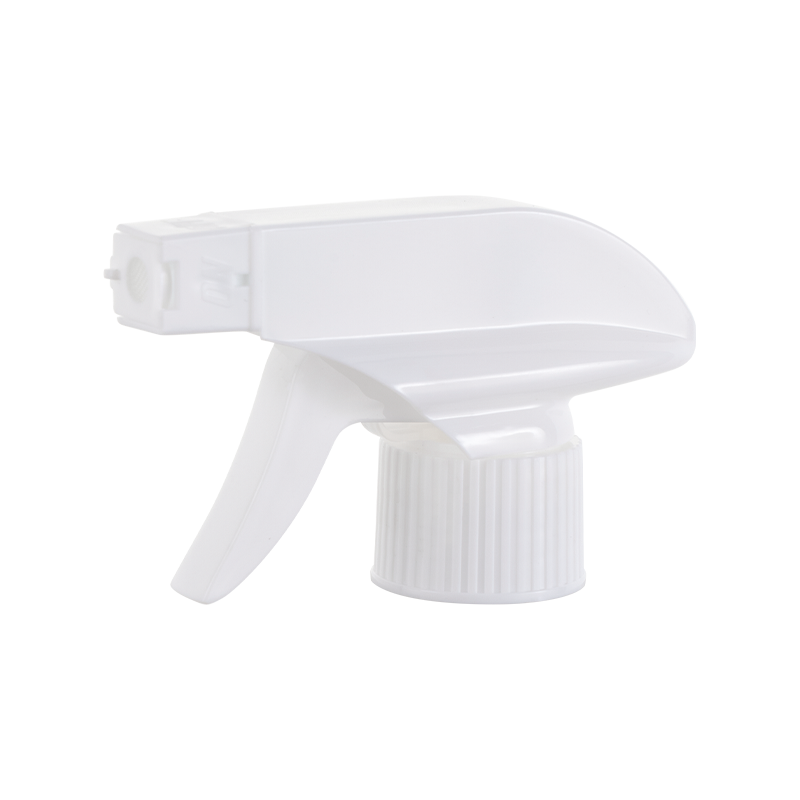 Standard Trigger Sprayer SJ305-F-P Type F Standard Square Trigger Sprayer with Plastic Mesh Foam Nozzle View More
-
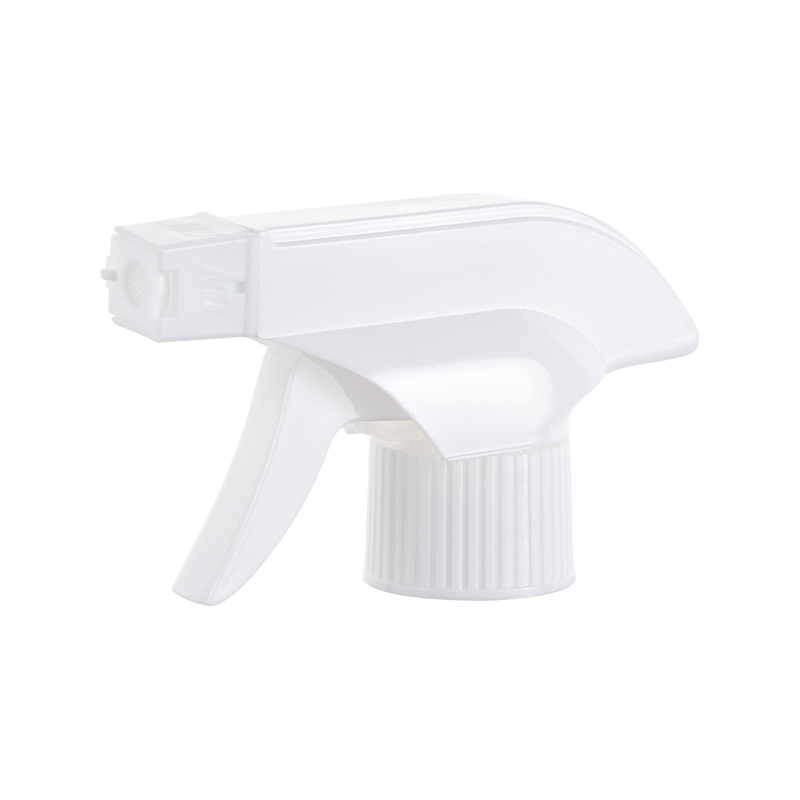 Standard Trigger Sprayer SJ305-E-P Type E Standard Square Trigger Sprayer with Plastic Mesh Foam Nozzle View More
-
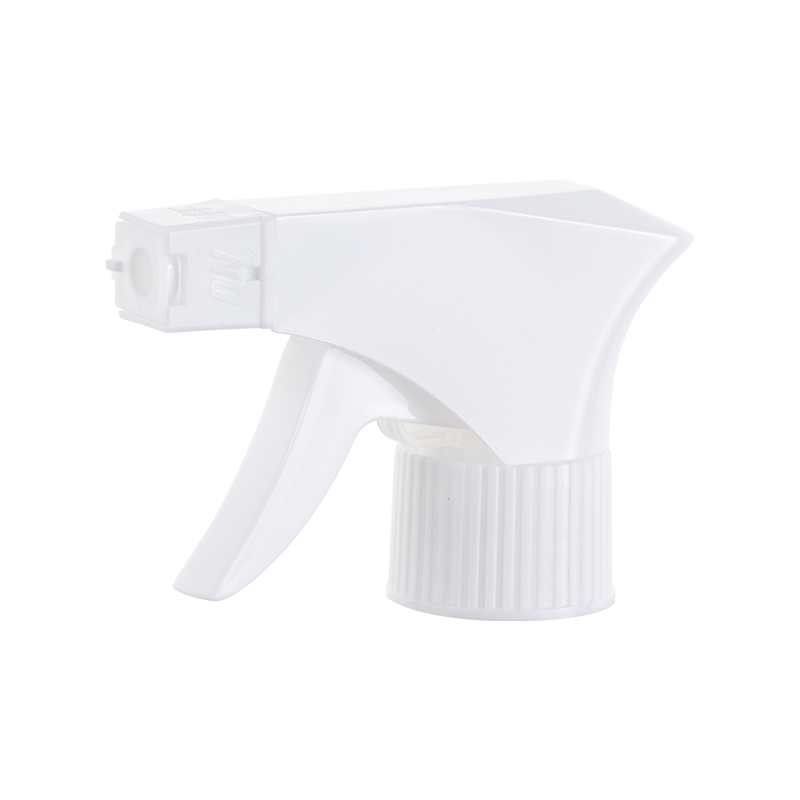 Standard Trigger Sprayer SJ305-D-P Type D Standard Square Trigger Sprayer with Plastic Mesh Foam Nozzle View More
-
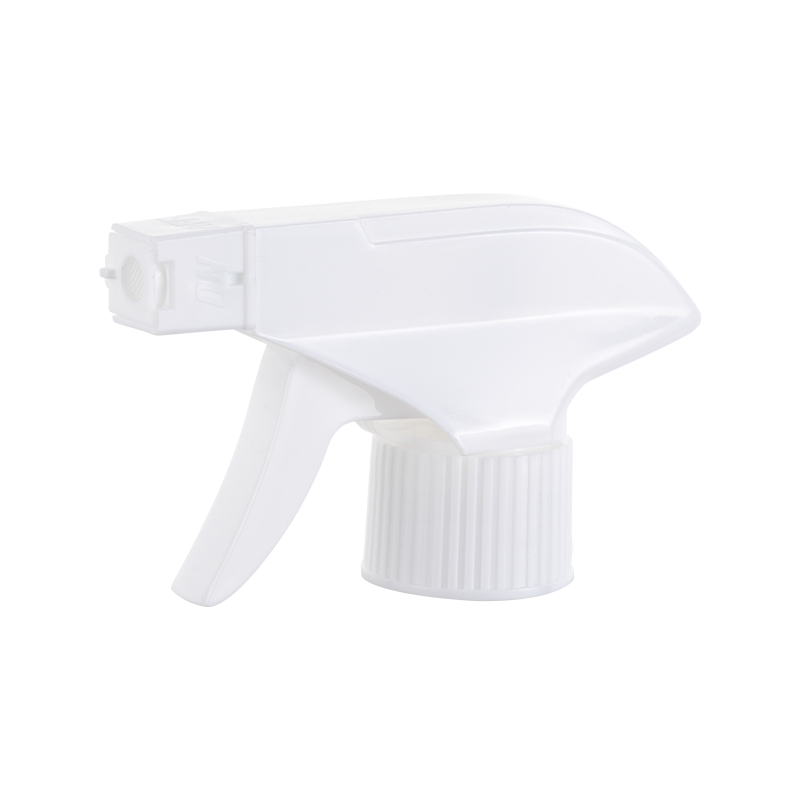 Standard Trigger Sprayer SJ305-C-P Type C Standard Square Trigger Sprayer with Plastic Mesh Foam Nozzle View More
-
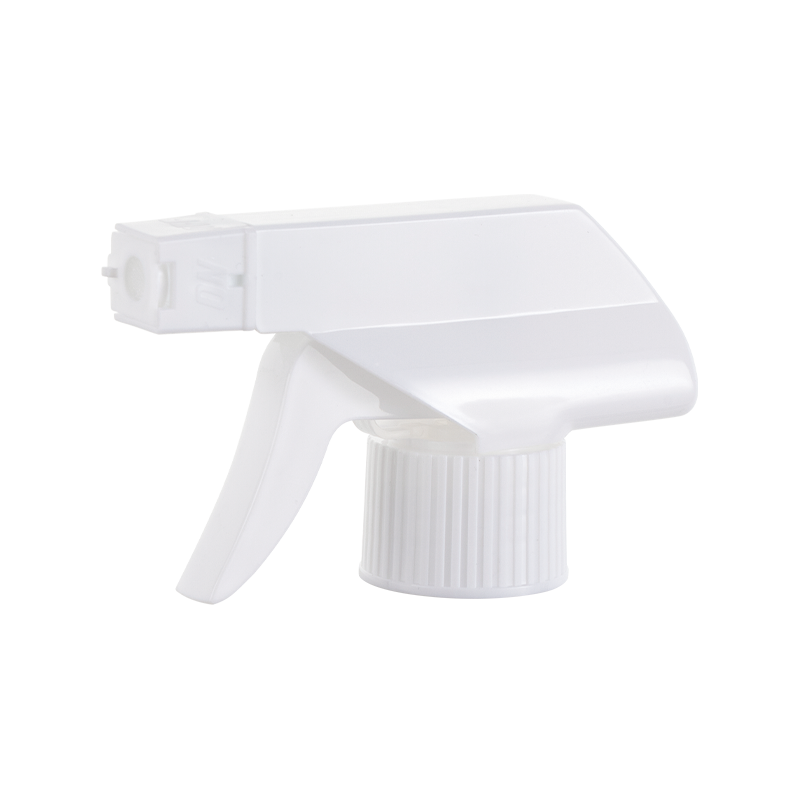 Standard Trigger Sprayer SJ305-B-P Type B Standard Square Trigger Sprayer with Plastic Mesh Foam Nozzle View More
-
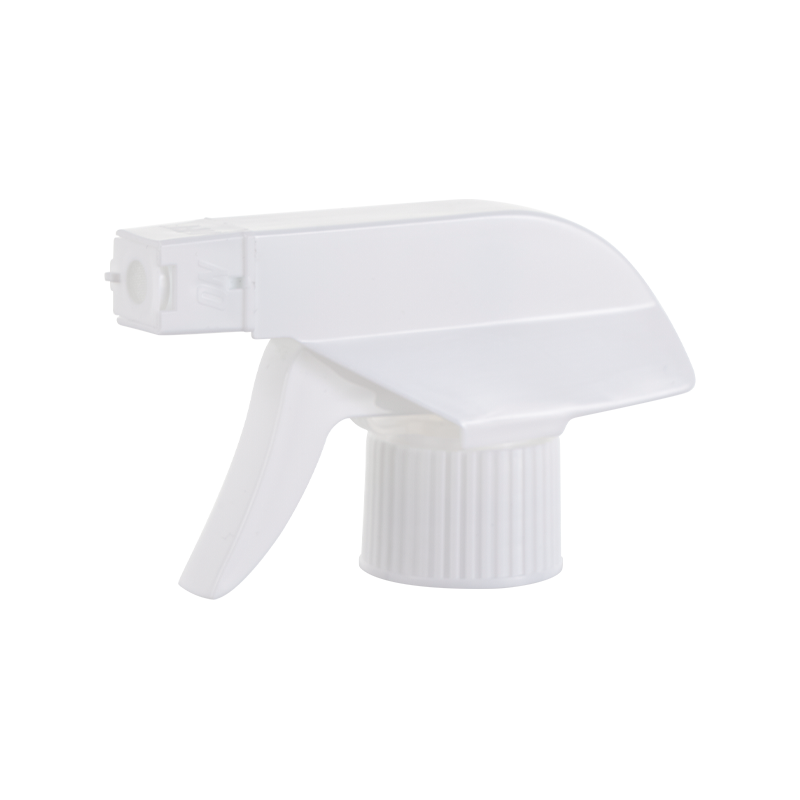 Standard Trigger Sprayer SJ305-A-P Type A Standard Square Trigger Sprayer with Plastic Mesh Foam Nozzle View More
Ready To Customise Your Products?
Specializing in the production of mouse spray gun,
square gun, long rod spray, screw pump, switch pump, detergent pump, small
spray pump and other products
Product Categories
News
Contact Us
-
 Telephone: +86-18857413535
 -
 Email: sales01@shangjiasprayer.com
 -
 Whatsapp: 8615067463359
 -
 Company Address No. 4 Xieli Road, Simen Town, Yuyao City, Ningbo City, Zhejiang Province
