

 English
 русский
 Français
 عربى
عربى Company News


Industry News
Home / News / Industry News / How Do Airless Pump Bottles Work? Understanding Piston and Spring Mechanics
Search
Categories
Recommend News
Categories
Recommend News
-
Industry News
-
Industry News
-
Industry News
Oct 07, 2026 - By admin
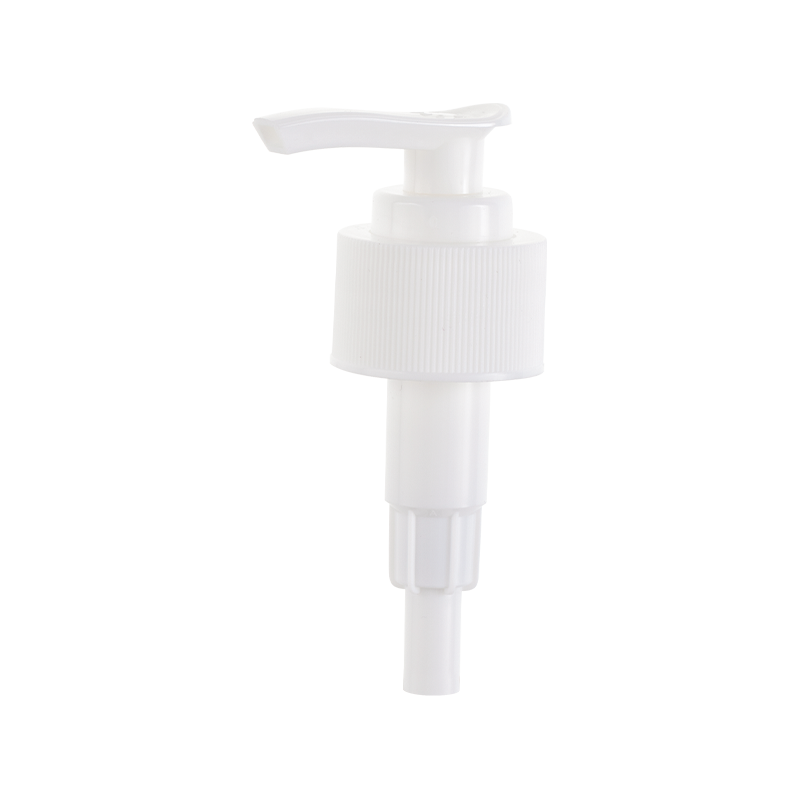 SJ302-A Screw Lotion Pump with A-Cap for Standard BottlesThis screw-type pump offers consistent dispensing and a precise thread seal, ideal for lotions and hand soaps. Its compact design supports reliable production and leak-resistant performance.View Product →
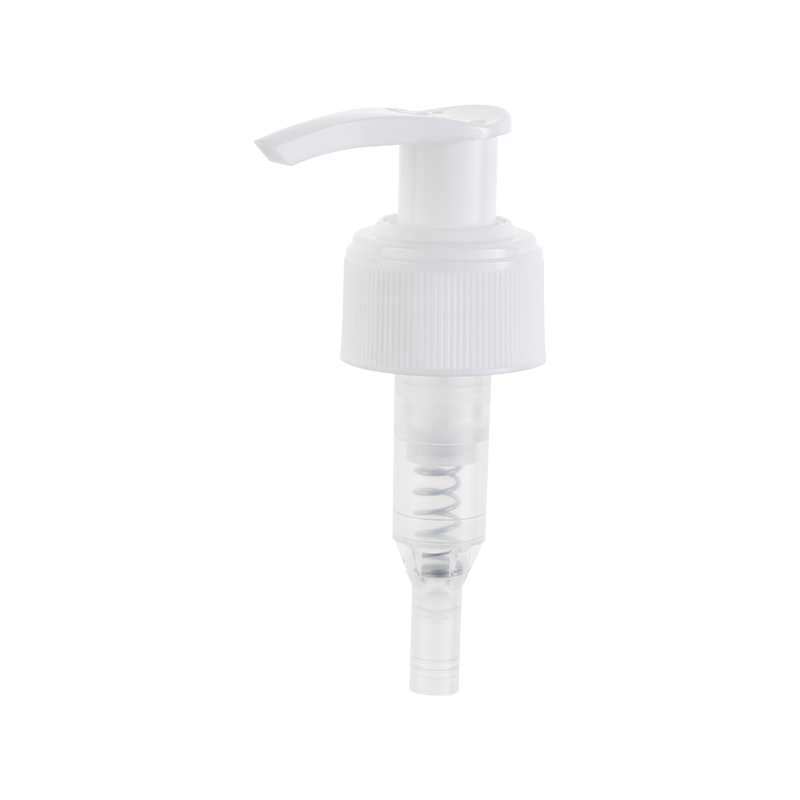 SJ303-A Left/Right-Locking Pump with Duckbill SpoutA dual-direction locking mechanism prevents accidental dispensing during transit, while the duckbill spout ensures controlled output. Built-in construction adds durability for lotions and cleansers.View Product →
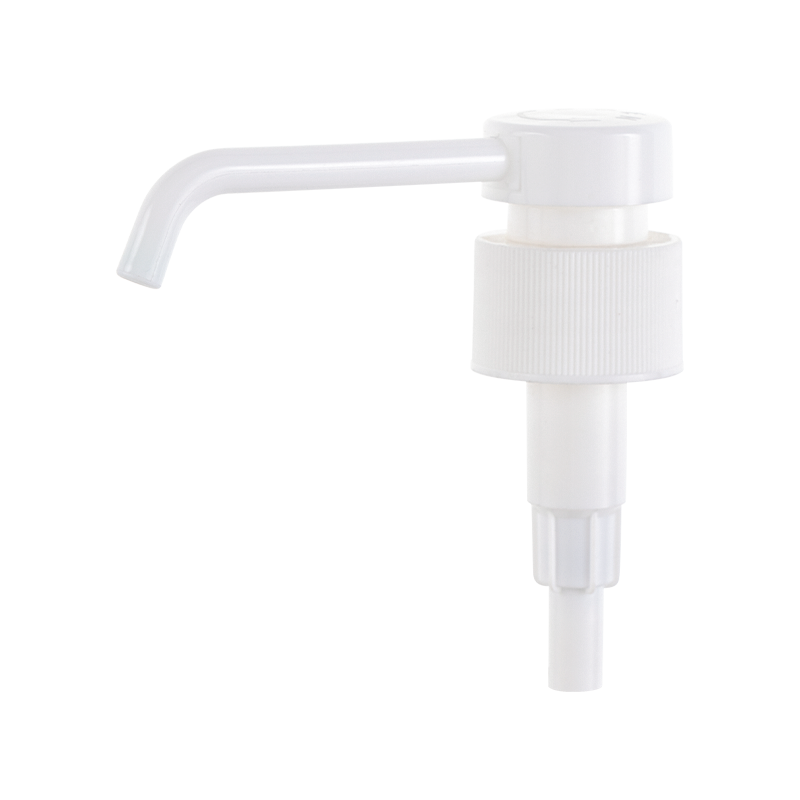 SJ304-A60 Screw-Type Long Nozzle Lotion PumpThe extended nozzle directs product precisely, reducing drips and waste. Its screw closure fits standard necks, making it suitable for targeted application across various liquid viscosities.View Product →
How Do Airless Pump Bottles Work? Understanding Piston and Spring Mechanics
Content
- 1 What Is an Airless Pump Bottle?
- 2 Key Components of an Airless Pump System
- 3 How Does an Airless Pump Bottle Work, Step by Step?
- 4 Airless Pump Bottle vs. Traditional Lotion Pump
- 5 Why Precision in Pump Manufacturing Makes a Difference
- 6 Choosing the Right Dispensing System for Your Product
- 7 Conclusion
Airless pump bottles have become a staple in cosmetic and personal care packaging, prized for their ability to preserve sensitive formulations and deliver nearly every drop of product. But how do airless pump bottles work? The answer lies in an elegant combination of piston mechanics, spring action, and precision seals working together to dispense liquid without letting air into the container.
For brands developing serums, creams, lotions, and sunscreens, understanding this mechanism matters beyond theory. It determines how well a formula survives storage, how consistent each pump stroke feels, and how satisfied the end consumer is with the overall experience.
What Is an Airless Pump Bottle?
An airless pump bottle is a dispensing container engineered to protect its contents from air. Unlike a conventional bottle that relies on a dip tube and draws air back inside to replace the product removed, the airless design uses a mechanical piston seated at the bottom of the container. As product is dispensed, the piston rises and occupies the space left behind, so the formula never comes into contact with outside air.
This makes airless bottles particularly well suited to formulas that are prone to oxidation, evaporation, or contamination. It also allows thicker formulations to be dispensed consistently, which is why so many premium skincare and hair care brands have adopted the format.
Main Types of Airless Pump Systems
Airless packaging comes in two main configurations. In a piston-style airless bottle, a follower at the base of the shell moves upward as the formula is consumed. In a bag-in-bottle system, the formula is held in a collapsible inner bag that shrinks as it empties. Both achieve the same goal of keeping air away from the product, but the choice affects cost, bottle shape compatibility, and how completely the product can be used up.
Key Components of an Airless Pump System
To understand how the system works, it helps to look at the main parts of a typical airless pump bottle. Each component must be molded and assembled to tight tolerances for the mechanism to perform reliably.
- Outer bottle shell: gives the package its structure and protects the formula from mechanical stress.
- Piston or follower: a disc that slides upward inside the bottle as product is removed, keeping a tight seal against the inner wall.
- Pump head assembly: includes the actuator button, stem, spring, pump piston, and one or more check valves.
- Product chamber: the space between the piston and the pump head, where the formulation is stored just before dispensing.
- Sealing gaskets and O-rings: prevent air from leaking in at the joints between the pump head, bottle neck, and moving parts.
Although designs vary between manufacturers, the core principle stays the same: a precisely controlled volume of liquid is pushed out on each stroke, and the bottom piston rises to fill the void.
How Does an Airless Pump Bottle Work, Step by Step?
Let us walk through what happens inside an airless pump bottle during a single dispensing stroke.
- Press the actuator. The user pushes down on the pump head, and the stem moves downward while compressing the internal spring.
- The liquid is pressurized. The pump piston moving inside the chamber pressurizes the liquid and forces it through the discharge valve and out through the nozzle.
- Release the actuator. When the user releases, the spring expands and returns the pump piston to its starting position.
- Suction refills the chamber. The upward motion creates a partial vacuum that opens the intake valve and draws fresh product in from the bottle body.
- The bottom piston rises. As product leaves, the piston at the base moves upward to fill the empty volume. Because it is sealed against the bottle wall, no air can get inside.
- The cycle repeats. The chamber is refilled, the valves close, and the pump is ready for the next stroke.
This self-contained cycle is what separates an airless pump from an ordinary lotion pump. In traditional dispensers, air flows back into the bottle after each use to equalize pressure. In an airless pump, the rising piston does that job, keeping the remaining product in a low-oxygen environment from first use to last.
Airless Pump Bottle vs. Traditional Lotion Pump
The differences between an airless pump bottle and a conventional lotion pump go beyond the presence of a dip tube. They affect bottle design, formula stability, and the user experience.
| Factor | Airless Pump Bottle | Traditional Lotion Pump |
|---|---|---|
| Air ingress | None | Air replaces product |
| Oxidation risk | Low | Moderate to high |
| Product evacuation | Nearly complete | Partial, depends on dip tube |
| Ideal viscosity | Creams, serums, sunscreens | Lotions, cleansers, liquid soaps |
| Packaging complexity | Higher, requires piston and rigid shell | Simpler, dip tube plus intake valve |
Traditional lotion pumps and trigger sprayers remain essential for everyday products where cost, flexible bottle shapes, and familiar ergonomics are the priorities. The choice is about which technology fits the product's requirements, not which one is generally superior.
Why Precision in Pump Manufacturing Makes a Difference
An airless pump mechanism is only as good as the tolerances of its molded parts. If the piston diameter is slightly too large, friction increases and the pump becomes difficult to press. If it is too small, air slips past the seal and the bottle no longer provides any airless benefit. The same applies to the spring, the valves, the actuator, and every gasket in the assembly.
In our years of producing plastic dispensing components at Shangjia Plastic, we have learned that consistent quality comes not from one clever mold design, but from disciplined process control across every stage: material selection, injection molding parameters, automated assembly, and leak testing before shipment. Two pumps that look identical can perform very differently if the manufacturing process is not strictly controlled.
SJ302-A Screw Lotion Pump with A-Cap for Standard BottlesThis screw-type pump offers consistent dispensing and a precise thread seal, ideal for lotions and hand soaps. Its compact design supports reliable production and leak-resistant performance.View Product →
For developers evaluating pump options, it is worth studying how output volume, formula viscosity, and leakproof performance interact. We also share what we have learned in production in our article on plastic lotion pumps and how output volume and viscosity are matched.
Choosing the Right Dispensing System for Your Product
Airless pump bottles are not a one-size-fits-all solution. The right dispensing system depends on product viscosity, bottle neck finish, dose per stroke, and the level of protection the formula requires. A few alternatives are especially popular in cosmetics and personal care packaging.
Screw Lotion Pumps
Screw lotion pumps are a dependable choice for creams, lotions, and liquid cleansers in standard threaded bottles. They provide consistent output, simple installation, and an ergonomic feel, making them a practical option when an airless format is not required.
SJ303-A Left/Right-Locking Pump with Duckbill SpoutA dual-direction locking mechanism prevents accidental dispensing during transit, while the duckbill spout ensures controlled output. Built-in construction adds durability for lotions and cleansers.View Product →
Left-Right Locking Pumps
For products that ship long distances or sit on store shelves for months, a left-right locking pump lets the actuator be locked by rotating it to one side. This prevents accidental dispensing and provides an added layer of leak protection in transit.
Long Nozzle Lotion Pumps
Long nozzle pumps deliver product through an extended narrow outlet, which is useful for reaching small openings, directing liquid to a targeted area, or controlling flow in precise doses.
SJ304-A60 Screw-Type Long Nozzle Lotion PumpThe extended nozzle directs product precisely, reducing drips and waste. Its screw closure fits standard necks, making it suitable for targeted application across various liquid viscosities.View Product →
Whatever mechanism you choose, the real test is whether the pump can be produced consistently at scale and integrated cleanly with your bottle and filling line. Bringing packaging partners into the conversation early helps ensure that the bottle and pump are designed together, not patched together later.
Conclusion
Airless pump bottles work through a deceptively simple cycle of piston movement, spring energy, and precisely timed valves. When every component is manufactured with care, the result is a packaging system that keeps sensitive formulas fresh, doses product consistently, and creates a premium feel that consumers notice.
Whether you are planning an airless package for a new serum or evaluating traditional lotion pumps for an established line, the same principle applies: understand the mechanism, match the pump to the formula, and work with a manufacturer that has real production experience. We bring that experience to every project and would be glad to help you find the right dispensing solution.
You may also like…
-
-
-
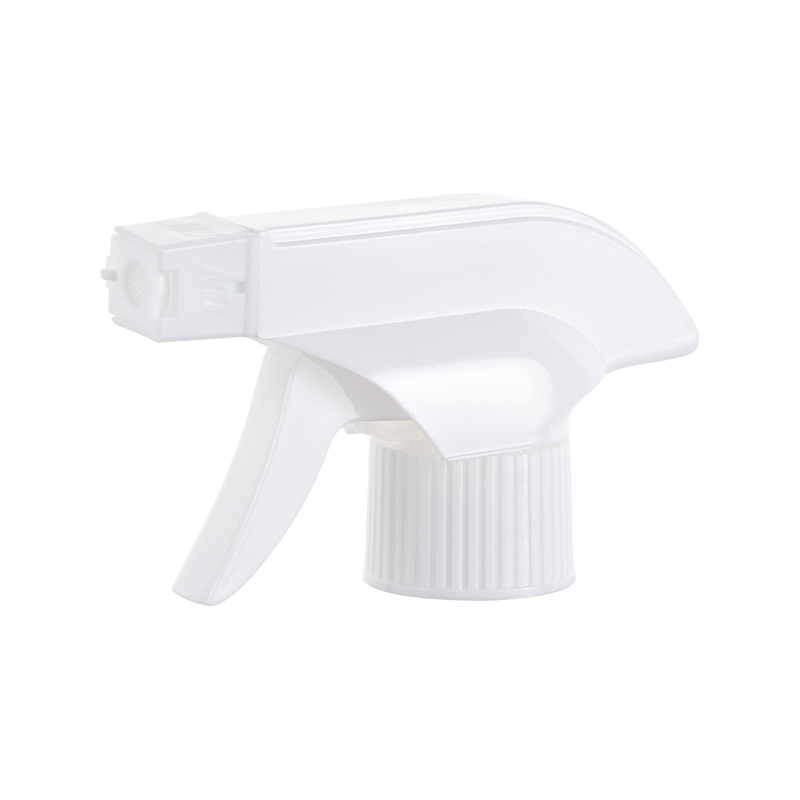 Standard Trigger Sprayer SJ305-E-P Type E Standard Square Trigger Sprayer with Plastic Mesh Foam Nozzle View More
-
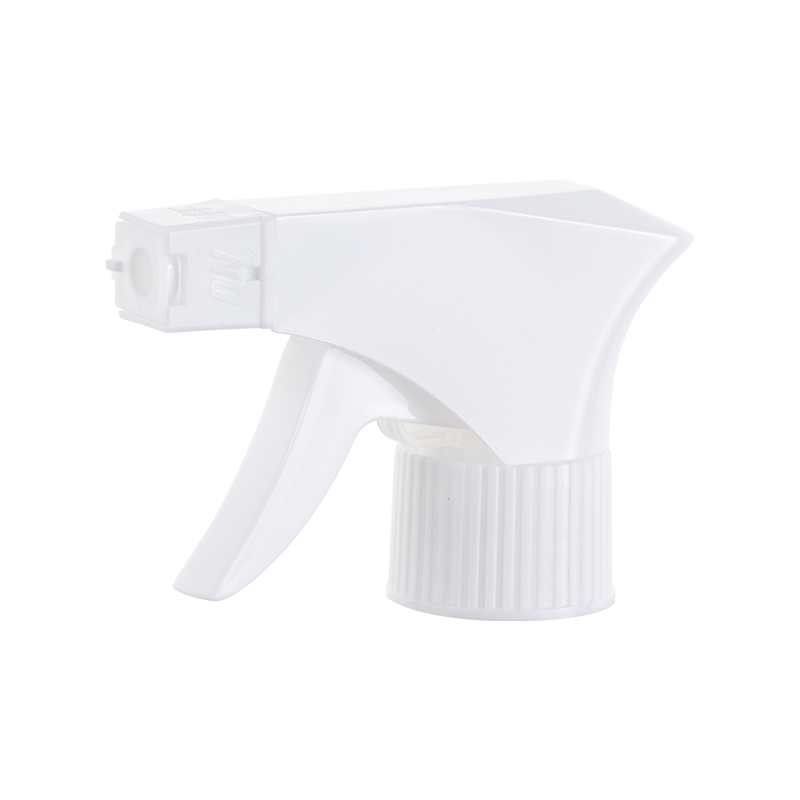 Standard Trigger Sprayer SJ305-D-P Type D Standard Square Trigger Sprayer with Plastic Mesh Foam Nozzle View More
-
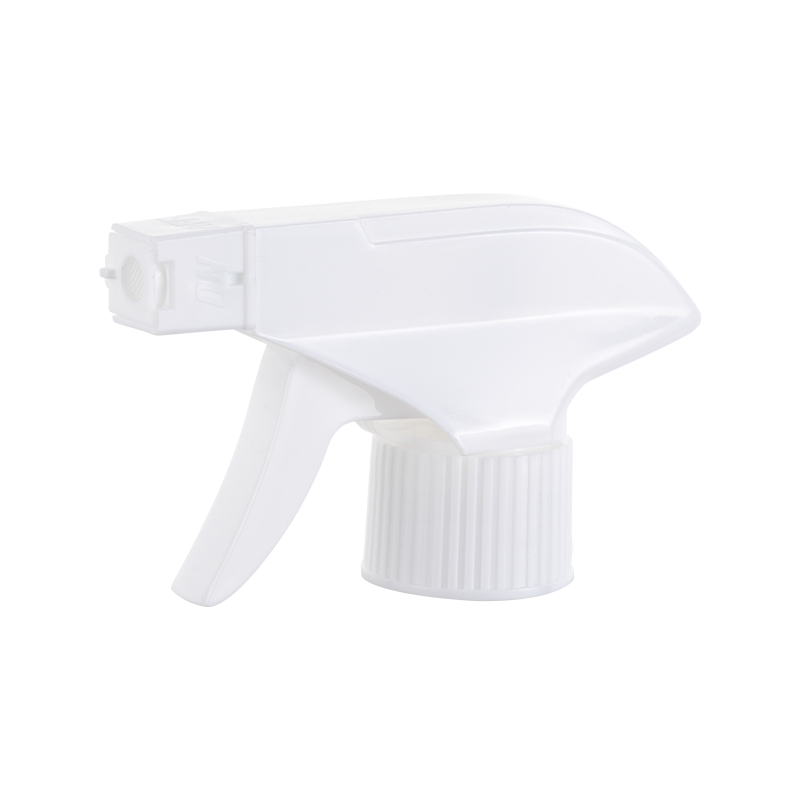 Standard Trigger Sprayer SJ305-C-P Type C Standard Square Trigger Sprayer with Plastic Mesh Foam Nozzle View More
-
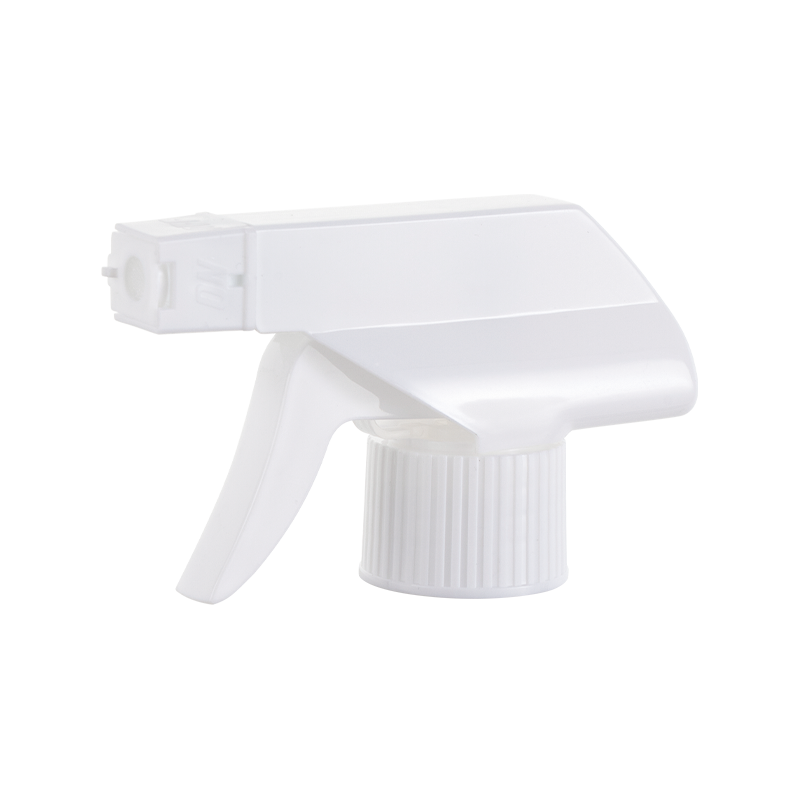 Standard Trigger Sprayer SJ305-B-P Type B Standard Square Trigger Sprayer with Plastic Mesh Foam Nozzle View More
Ready To Customise Your Products?
Specializing in the production of mouse spray gun,
square gun, long rod spray, screw pump, switch pump, detergent pump, small
spray pump and other products
Product Categories
News
Contact Us
-
 Telephone: +86-18857413535
 -
 Email: sales01@shangjiasprayer.com
 -
 Whatsapp: 8615067463359
 -
 Company Address No. 4 Xieli Road, Simen Town, Yuyao City, Ningbo City, Zhejiang Province
