

 English
 русский
 Français
 عربى
 Company News


Industry News
Home / News / Industry News / How to Choose a Cosmetic Jar for Lotion: Material, Size, and Neck Finish

Search
Categories
Recommend News
Categories
Recommend News
-
Industry News
-
Industry News
-
Industry News
Oct 20, 2026 - By admin
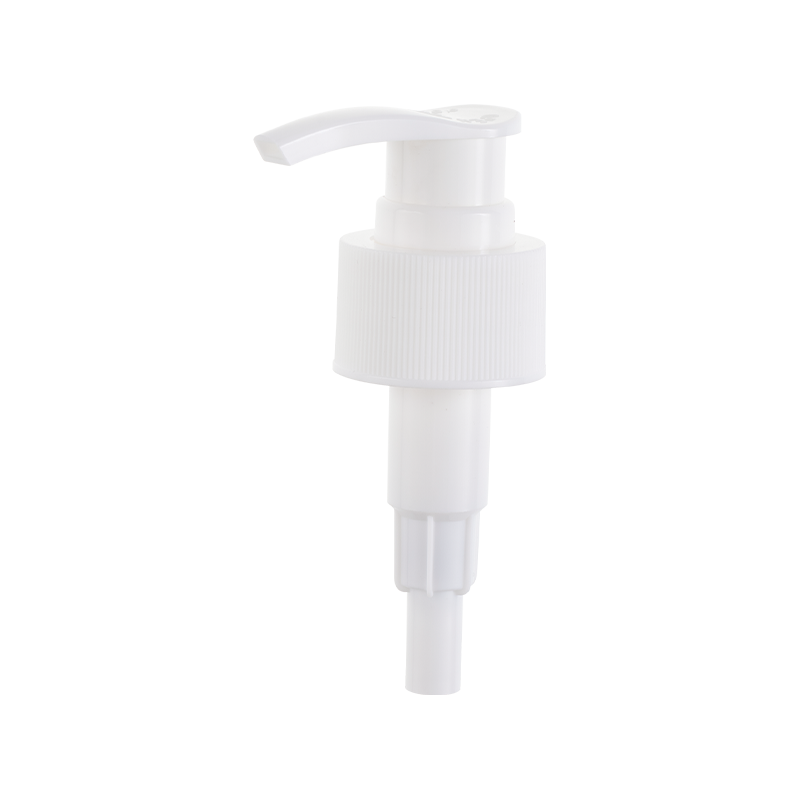 Screw Lotion Pump with Duckbill CapThis model offers precise dispensing and leak prevention, ideal for medium and flowable lotions. Its threaded closure and duckbill design suit the discussed secure and controlled usage scenarios.View Product →
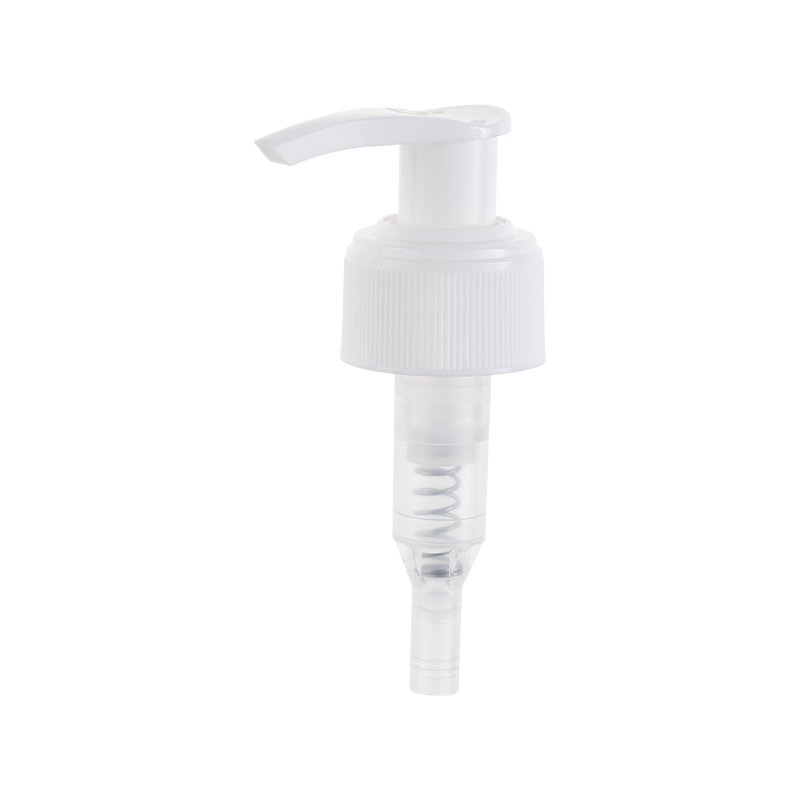 Left-Right Locking Pump with Duckbill SpoutWith dual-direction locking and a duckbill spout, this pump prevents accidental presses and ensures controlled, hygienic output—matching the paragraph's emphasis on travel-safe and precise dispensing.View Product →
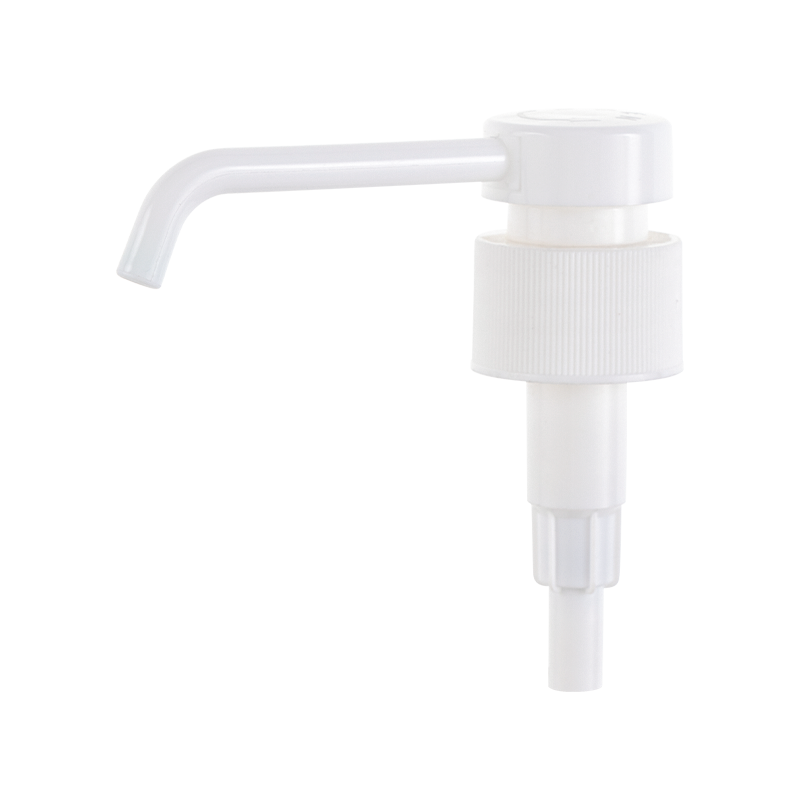 Long Nozzle Screw Lotion PumpFeaturing an extended nozzle for precise flow and reduced drips, this pump addresses narrow-neck jars and targeted dispensing, aligning with the context of controlled application and reduced waste.View Product →
How to Choose a Cosmetic Jar for Lotion: Material, Size, and Neck Finish
Content
Choosing a cosmetic jar for lotion seems straightforward at first. You pick a container, add a label, and you are ready. But in our years of making lotion pumps and cosmetic packaging, we have seen how often the details get overlooked. The jar, its opening, and the pump have to work together with the product's texture, the way customers use it, and your production budget. Get the combination right, and the lotion stays fresh, dispenses cleanly, and feels effortless. Get it wrong, and you face leaking caps, clogged pumps, strained necks, and half-used bottles that customers give up on.
This guide walks through the decisions that matter most when selecting a cosmetic jar for lotion, from material and size to neck finish and pump compatibility, with practical points you can carry into your next packaging project.
Start With the Lotion Formula
The formula is the starting point for every packaging decision. Viscosity determines whether the product should sit in a wide-mouth jar with a screw cap or whether it needs a bottle with a dispensing pump. Thin, free-flowing lotions are difficult to handle in a wide jar, while thick creams behave badly with a pump designed for thinner liquids.
| Lotion type | Texture | Packaging approach |
|---|---|---|
| Body milk | Thin, free-flowing | Bottle with a pump, or a narrow-neck jar |
| Daily lotion | Flowing cream | Bottle or jar with a screw lotion pump |
| Rich cream | Thick, spreadable | Wide-mouth jar with cap or short dip tube pump |
| Balm or butter | Firm at room temperature | Wide-mouth jar with a screw cap |
Once you know where the formula sits on this scale, you can choose a jar shape and a dispensing system that fit together instead of fighting each other.
Choose the Right Material
The jar material affects appearance, weight, cost, and how well the package protects the lotion inside. Two options dominate the market.
Glass jars
Glass gives a premium feel and excellent chemical resistance, which suits high-end lotions or formulas with sensitive ingredients. The trade-offs are weight, fragility, and higher shipping costs. If the product will be used in a bathroom or handled regularly, drop resistance becomes a real concern.
Plastic jars
Plastic jars are light, durable, and affordable, making them the default for daily-use lotions. PET offers clear, glass-like brilliance; HDPE is tougher and slightly translucent; acrylic provides clarity with a smooth, cosmetically pleasing wall. Plastic also expands the range of available neck finishes and colors, and it is generally easier to pair with lotion pumps because the tolerances are more consistent across molded parts.
Match the Size to How the Product Is Used
Think about the customer's hands, not just the label. A 30 ml jar suits a facial serum sample; a 200 ml jar fits a daily hand lotion; a 500 ml package belongs in the body-care section. When the lotion is thick enough to be scooped by hand, the opening must be wide enough for fingers or a spatula to reach the bottom. When a pump is involved, jar capacity and dip tube length have to be matched so that almost the entire product is usable and little is wasted at the end. It is a small calculation that has a large effect on customer satisfaction and repeat purchase.
The Neck Finish Determines What Fits
The neck finish, which is the shaped opening that the cap or pump attaches to, is the single most important specification when choosing a cosmetic jar for lotion. It is defined by the outer diameter and the thread pattern. Common sizes include 24/410, 28/410, and 33/400 for jars, while smaller bottles may use 18/410 or 20/410. A pump with a 28/410 screw cap will not seat correctly on a jar with a 24/410 neck, even if the diameter looks close at a glance. Thread pitch and depth must also match.
This is why the jar and the pump should be planned as one system rather than separate purchases. If you choose a jar first without noting the finish, you may end up with an attractive container that cannot accept the dispensing system your formula needs. In our own production work, we regularly help customers match a pump series to a specific jar neck, and it is far easier to do that before the jars are ordered in volume than to redesign the closure afterward.
Select the Dispensing System
For most lotions, the pump is the part customers touch every day. It has to draw the right amount, deliver it cleanly, and stay leak-free through shipping and months of use. The choices break down into a few practical families.
Screw lotion pumps for everyday use
Screw lotion pumps are the standard choice for medium and flowable lotions. They thread onto the jar neck, draw product up through a dip tube, and deliver a controlled dose with each press. A screw pump gives a secure closure between uses and works well across a wide range of jar sizes. Cap styles can also be varied, from simple flat caps to duckbill shapes, without changing the pump mechanism.
Screw Lotion Pump with Duckbill CapThis model offers precise dispensing and leak prevention, ideal for medium and flowable lotions. Its threaded closure and duckbill design suit the discussed secure and controlled usage scenarios.View Product →
Left-right locking pumps for leak protection
If the lotion will travel in a bag or sit sideways in a drawer, consider a left-right locking pump. Turning the lock in one direction releases the head; turning it back prevents accidental presses and helps keep the package sealed. This simple mechanical feature makes a big difference in shipment returns and in-use complaints, and it is especially valuable for lotions with thinner consistency.
Left-Right Locking Pump with Duckbill SpoutWith dual-direction locking and a duckbill spout, this pump prevents accidental presses and ensures controlled, hygienic output—matching the paragraph's emphasis on travel-safe and precise dispensing.View Product →
Long nozzle pumps for precision
Some jars have narrow necks, and some lotions need to be delivered to a specific spot rather than spread broadly across the hand. A long nozzle pump extends the outlet beyond the cap surface, giving the user more control and keeping the product clear of the threads during dispensing. This style is also helpful for small openings where a standard pump head would be awkward to press.
Long Nozzle Screw Lotion PumpFeaturing an extended nozzle for precise flow and reduced drips, this pump addresses narrow-neck jars and targeted dispensing, aligning with the context of controlled application and reduced waste.View Product →
Whatever system you select, the pump's output volume per stroke should line up with the lotion's viscosity so each press delivers a comfortable dose. Exploring the lotion pump range gives you a sense of the cap styles, dip tube lengths, and locking options that can be combined with different jar necks.
Protect the Lotion From Air and Contamination
Lotions are emulsions, which means they can separate, oxidize, or grow bacteria if exposed to air and contaminants. A wide-mouth jar that is opened repeatedly exposes the surface to air every time. A pump minimizes that exposure because the product stays sealed inside until the next press.
The quality of the pump seal matters as much as the jar itself. A good fit between the pump gasket and the neck finish keeps air out, prevents leakage in transit, and makes the product feel reliable in use. When the lotion is thin, leakage is more likely; when it is thick, a dip tube of the correct inner diameter is needed to avoid slow or uneven delivery. Both problems can be caught early with routine testing.
Test Before You Commit
No drawing or specification sheet replaces a real test with the actual formula. Fill a sample jar, attach the chosen pump, and check three things. First, does the pump deliver a consistent dose from the first press to the last? Second, does the jar show any leakage at the neck after being laid on its side for several hours? Third, does the lotion inside change color, odor, or texture after a few weeks? A small batch of testing can be done with your supplier before full production, allowing you to adjust jar size, pump output volume, or neck finish without reworking the whole design.
Viscosity and output volume are linked: matching pump output to lotion viscosity is exactly the kind of detail that separates a pleasant daily product from one that splashes, drips, or clogs.
A Quick Checklist
When the time comes to finalize the packaging, keep this short list in front of you:
- Know the lotion's viscosity and choose a jar shape that lets the user reach the product comfortably.
- Confirm the neck finish size and thread pattern before ordering jars in volume.
- Select a pump whose output volume suits the formula and the intended single dose.
- Check the lock mechanism if the package will travel or sit in a bag.
- Test leakage, delivery, and formula stability with the real product before mass production.
Choosing a cosmetic jar for lotion is ultimately a balance of form, protection, and everyday usability. Starting with the formula, working through material and size, and treating the pump as part of the jar system will give you a package that looks right on the shelf and performs well in the hands of your customers.
You may also like…
-

-
-
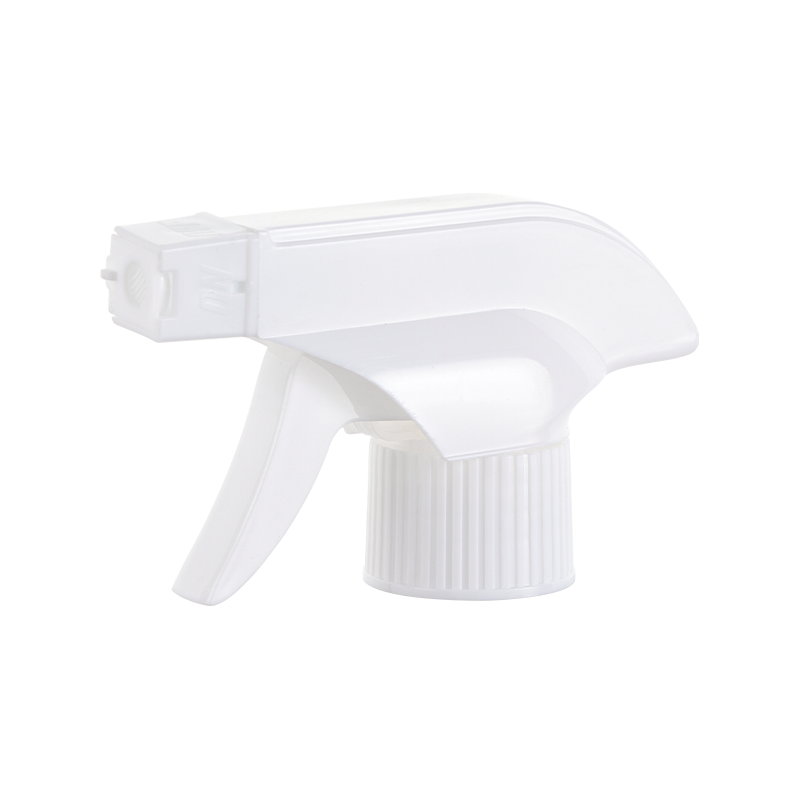 Standard Trigger Sprayer SJ305-E-P Type E Standard Square Trigger Sprayer with Plastic Mesh Foam Nozzle View More
-
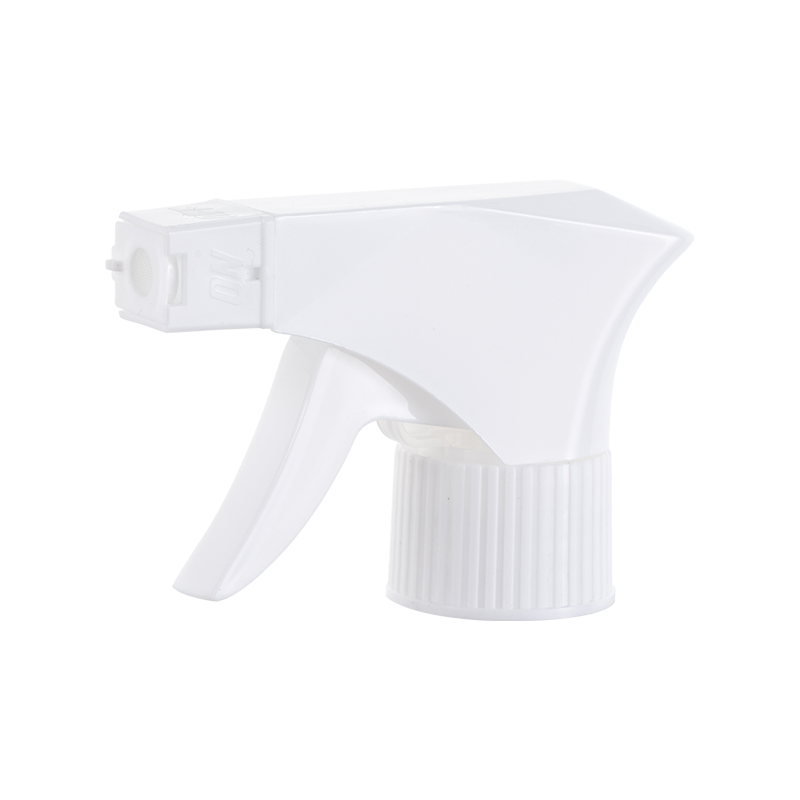 Standard Trigger Sprayer SJ305-D-P Type D Standard Square Trigger Sprayer with Plastic Mesh Foam Nozzle View More
-
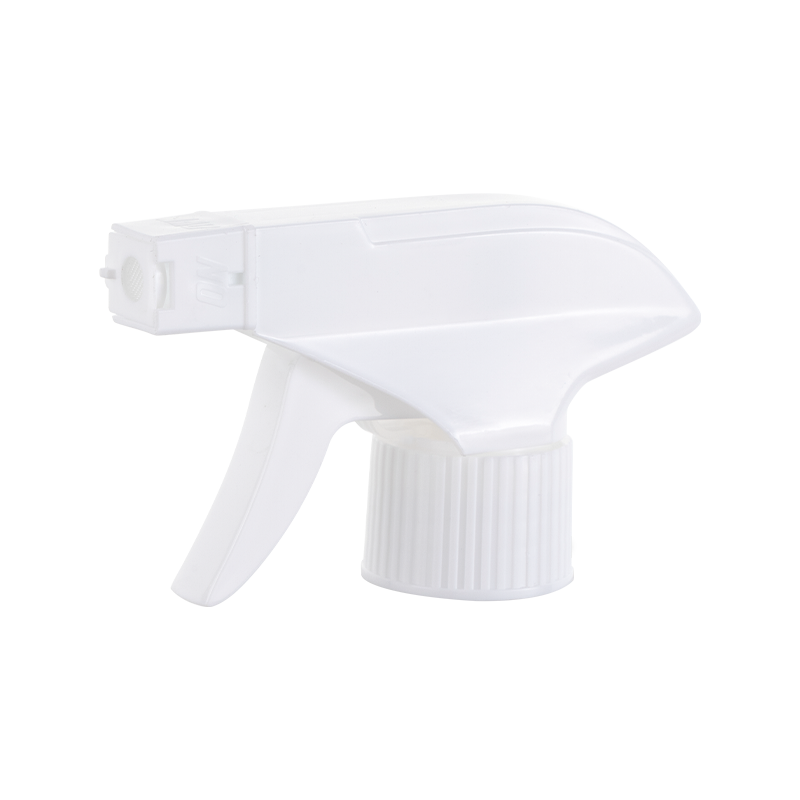 Standard Trigger Sprayer SJ305-C-P Type C Standard Square Trigger Sprayer with Plastic Mesh Foam Nozzle View More
-
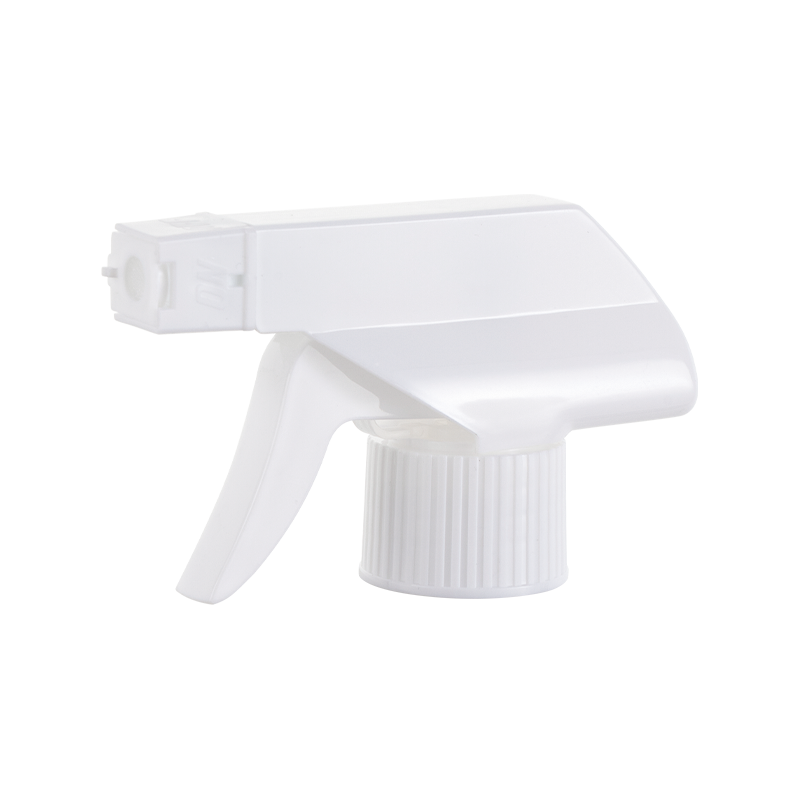 Standard Trigger Sprayer SJ305-B-P Type B Standard Square Trigger Sprayer with Plastic Mesh Foam Nozzle View More
Ready To Customise Your Products?
Specializing in the production of mouse spray gun,
square gun, long rod spray, screw pump, switch pump, detergent pump, small
spray pump and other products
Product Categories
News
Contact Us
-
 Telephone: +86-18857413535
-
 Email: sales01@shangjiasprayer.com
-
 Whatsapp: 8615067463359
-
 Company Address No. 4 Xieli Road, Simen Town, Yuyao City, Ningbo City, Zhejiang Province
