

 English
 русский
 Français
 عربى
عربى Company News


Industry News
Home / News / Industry News / How Does a Lotion Pump Work? Mechanism, Components, and Selection Tips
Search
Categories
Recommend News
Categories
Recommend News
-
Industry News
-
Industry News
-
Industry News
Sep 23, 2026 - By admin
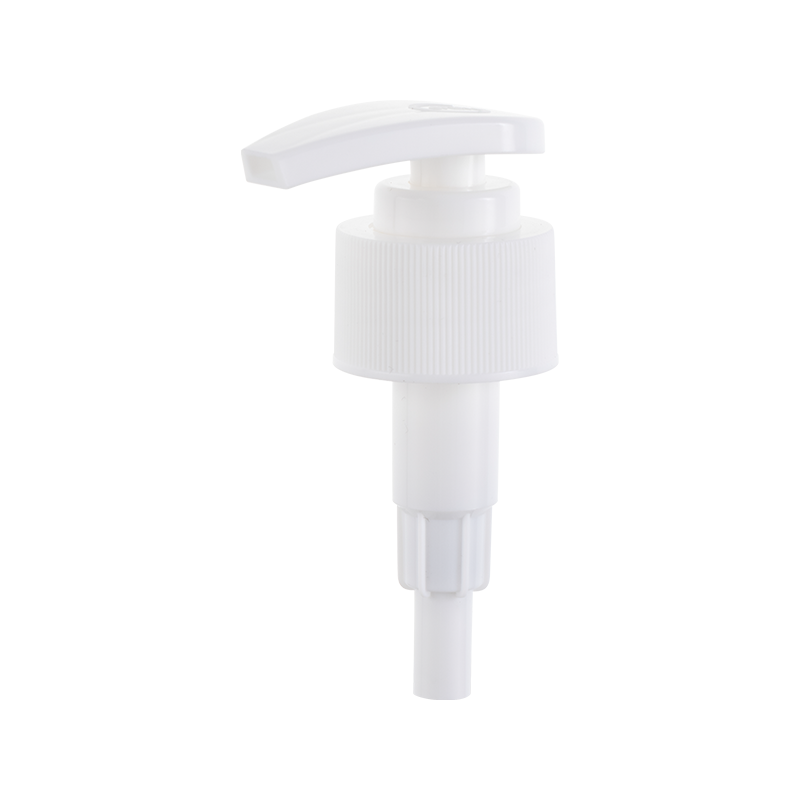
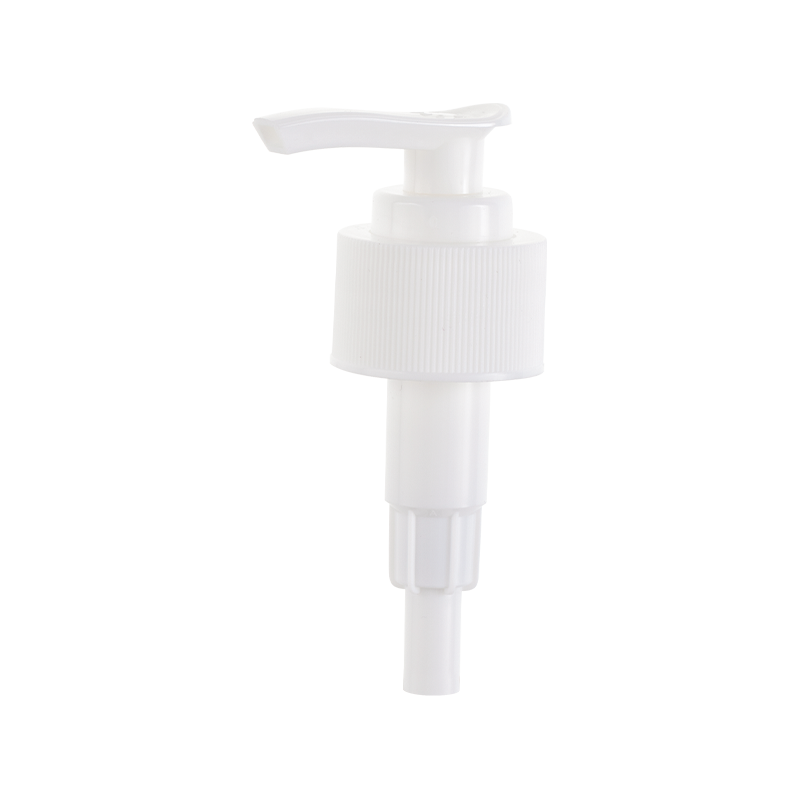 SJ302-A Screw Lotion Pump with A-CapThis threaded pump is a standard choice for lotions and serums, offering secure screw-on attachment and smooth dispensing. Its simple design suits various bottles and liquid products, making it a reliable option for everyday packaging.View Product →
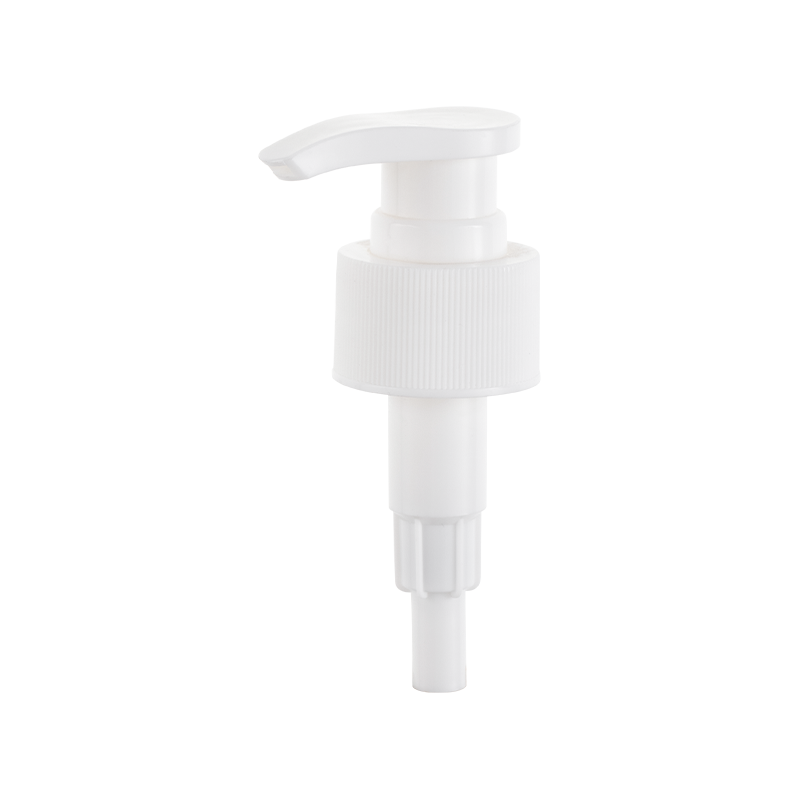
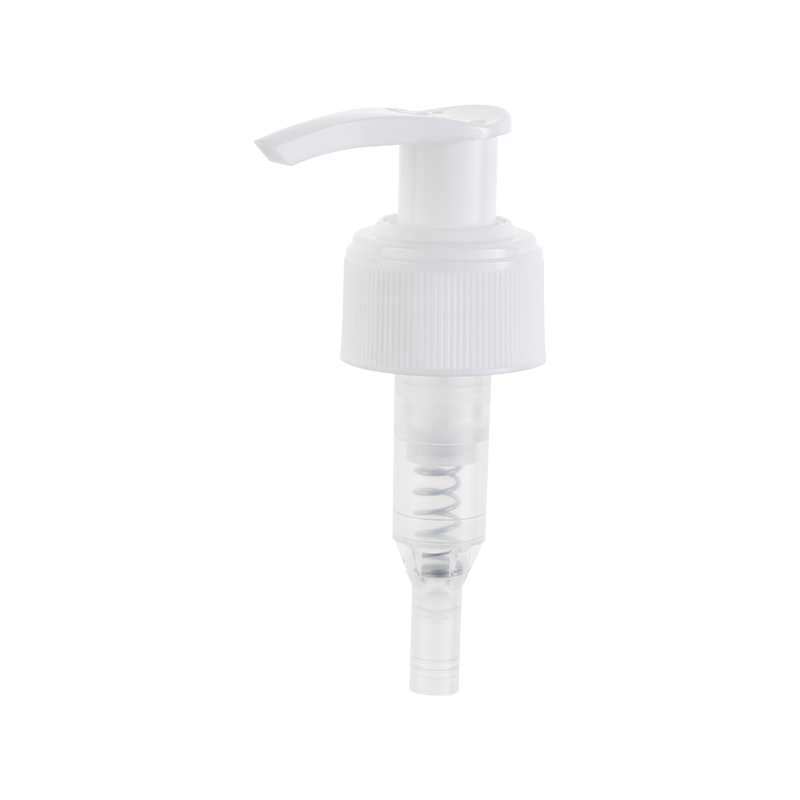 SJ303-A Left/Right-Locking Pump with Duckbill SpoutWith a dual-direction locking mechanism and a duckbill spout, this built-in pump prevents leakage during transport and shaking. It is well suited for travel-size cosmetics and e-commerce packaging where accidental discharge must be avoided.View Product →
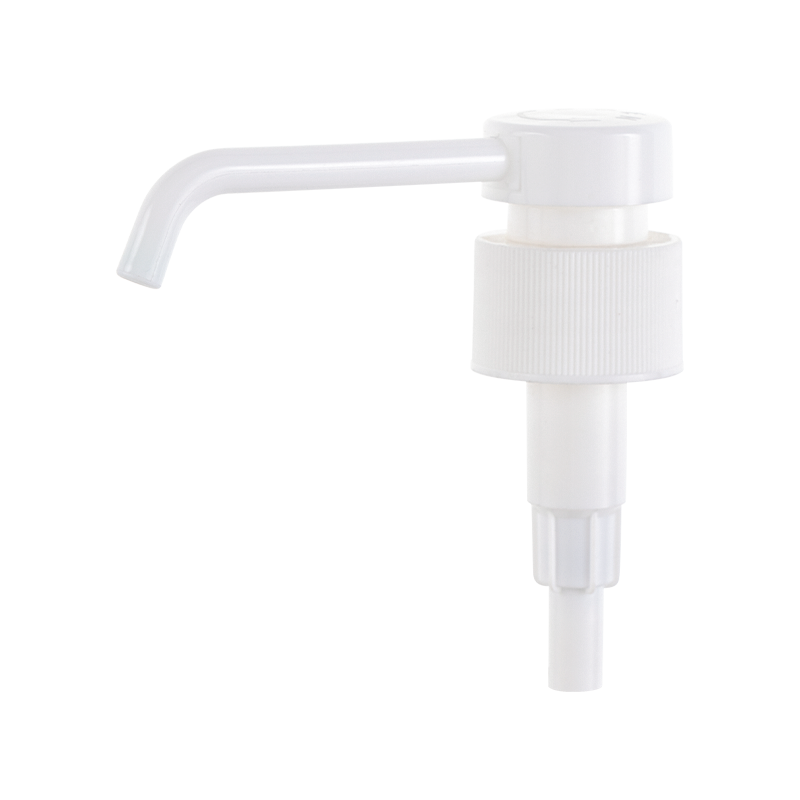 SJ304-A60 Screw-Type Long Nozzle Lotion PumpThis pump features an extended nozzle that directs liquid precisely, reducing drips and waste. Its screw-type closure ensures a secure fit, making it practical for refillable containers and products requiring controlled application.View Product →
How Does a Lotion Pump Work? Mechanism, Components, and Selection Tips
Content
Every time a customer presses a lotion pump and watches a smooth ribbon of cream appear, a precise mechanical sequence happens inside. As a cosmetic packaging manufacturer, we build these devices every day, and we still admire how elegantly they work. This guide explains how a lotion pump works, what each component does, and what to consider when choosing a pump.
The Working Principle: Air Pressure and Vacuum
A lotion pump needs no motor or battery. It works entirely through air pressure. Pressing the pump head compresses air inside the chamber and forces it out. Releasing the head lets a spring push the piston back up, creating a vacuum. The higher atmospheric pressure outside then pushes liquid up the dip tube and into the chamber.
This is the same pressure-balance principle that makes a drinking straw work, but the lotion pump replaces the human sip with a one-way ball valve. The combination of piston, spring, and valve lifts thick lotions, creams, and serums out of the bottle and delivers them in controlled doses. The system is self-priming and passive: it stores a small amount of liquid in the chamber after every stroke, so the next press delivers product immediately. Any air leaking into the system breaks the vacuum and forces the user to prime the pump again, which is why tight seals matter.
Anatomy of a Lotion Pump
Knowing the parts makes the working principle much easier to follow. The table below summarizes the key components of a typical lotion pump.
| Component | Function |
|---|---|
| Actuator (press head) | Transfers the pressing force to the piston and directs liquid out through the nozzle |
| Piston assembly | Moves up and down inside the chamber to compress air and create vacuum |
| Spring | Returns the piston to its original position and stores energy for the next stroke |
| Ball valve | Acts as a one-way gate; opens when vacuum pulls liquid in and closes when pressure pushes liquid out |
| Dip tube | Carries liquid from the bottom of the bottle up into the pump chamber |
| Gasket and seals | Prevent leakage between the pump and the bottle neck and inside the pump body |
Every part must work in harmony. A weak spring slows the return stroke, a poorly seated ball valve lets liquid flow back into the bottle, and a worn gasket destroys the vacuum. Manufacturing quality is not cosmetic — it is functional.
How a Lotion Pump Works Step by Step
The full pumping cycle can be divided into four stages.
- First press. The actuator moves the piston down and compresses the air inside the chamber. The ball valve stays closed, so the trapped air is forced out through the nozzle. This is why a new pump first expels air rather than liquid.
- Release and refill. The spring expands and pushes the piston upward. The expanding chamber creates a vacuum, which lifts the ball valve and opens the passage. Atmospheric pressure pushes liquid from the bottle up through the dip tube into the chamber.
- Liquid storage. When the chamber is full and the pressures are equal, the ball valve settles back onto its seat. The liquid is stored, ready for the next stroke.
- Discharge. The next press forces the stored liquid out through the nozzle. Because the ball valve is now closed, the liquid cannot return down the dip tube, so the entire output is directed upward.
This cycle repeats with every stroke. The dose depends on the chamber volume, stroke length, and valve timing. In practical terms, the chamber diameter and piston travel determine whether a pump delivers 1 ml or 4 ml per stroke, which is why every model is specified with an output volume.
Performance Parameters That Matter
Not all lotion pumps behave the same. A few objective parameters determine whether a pump suits a specific product.
- Pumping volume: liquid dispensed per stroke, usually measured in milliliters. Common values range from about 0.8 ml to 4 ml per stroke.
- Priming strokes: the number of presses before liquid first appears. A well-designed pump primes within one to three strokes.
- Minimum lower pressure: the force needed to actuate the pump. Lower values feel smooth and comfortable; higher values prevent accidental discharge.
- Leakage resistance: the ability to hold liquid without seepage when the bottle is stored, inverted, or transported. Locking pumps add a mechanical closure for extra security.
Choosing the wrong output volume is a common source of complaints, so it helps to match the pump to the formula. See the article on matching output volume with viscosity and leak-proof design for more guidance.
Common Lotion Pump Types and Their Use Cases
Once the working principle is clear, the next step is choosing the right configuration. Most cosmetic packs use one of three variations. They all follow the same pressure-and-vacuum principle but are optimized for different situations. You can view all options on the lotion pump collection page. Beyond these three, we also produce trigger sprayers and mini sprayers for thinner liquids, but lotion pumps remain the best choice for thick, creamy formulas.
Threaded (Screw) Lotion Pumps
The threaded screw pump is the most widely used type. It fastens onto a bottle neck with a matching thread, making it simple to install and replace. Screw pumps suit a broad range of liquids, from light lotions to heavy creams, and are available with several cap styles, including duckbill caps, heart-shaped heads, and standard C, D, or G caps. We usually recommend this type for standard glass and plastic bottles.
SJ302-A Screw Lotion Pump with A-CapThis threaded pump is a standard choice for lotions and serums, offering secure screw-on attachment and smooth dispensing. Its simple design suits various bottles and liquid products, making it a reliable option for everyday packaging.View Product →
Left-Right Locking Lotion Pumps
A locking pump is useful whenever a bottle will be squeezed, shaken, or transported. Left-right locking pumps integrate a mechanical lock in the cap: the user rotates the cap to secure the actuator so the piston cannot be pressed down. This prevents leakage and accidental discharge during shipping. These pumps are ideal for travel cosmetics, serums, and e-commerce packaging.
SJ303-A Left/Right-Locking Pump with Duckbill SpoutWith a dual-direction locking mechanism and a duckbill spout, this built-in pump prevents leakage during transport and shaking. It is well suited for travel-size cosmetics and e-commerce packaging where accidental discharge must be avoided.View Product →
Long Nozzle Lotion Pumps
Long nozzle pumps carry a slender, extended nozzle that delivers liquid to a precise spot — into a narrow bottle mouth, onto a specific skin area, or through a small opening in the packaging. They are common for refillable containers, hair care products, and mounted dispensing systems.
SJ304-A60 Screw-Type Long Nozzle Lotion PumpThis pump features an extended nozzle that directs liquid precisely, reducing drips and waste. Its screw-type closure ensures a secure fit, making it practical for refillable containers and products requiring controlled application.View Product →Quick Tips for Keeping a Lotion Pump Working Smoothly
Even a well-made pump can misbehave when misused. A few simple habits prevent most problems.
- Prime the pump first. A new pump contains air. Press several times until liquid flows steadily.
- Keep the nozzle clean. Dried lotion blocks the opening. Wipe the nozzle regularly and rinse with warm water if it becomes stiff.
- Check the dip tube length. A tube that is too long bends and restricts flow; one that is too short leaves product at the bottom of the bottle.
- Store bottles upright when possible. Long periods on the side can push liquid into the pump chamber and cause seepage unless the pump has a lock.
Understanding how a lotion pump works will help you choose packaging wisely, troubleshoot production lines, and design better cosmetics. At Yuyao Shangjia Plastic Industry, we manufacture screw pumps, locking pumps, long nozzle pumps, and sprayers for customers in more than 20 countries. If you need advice on pump selection, output volume, or custom cap design, our team is ready to help.
You may also like…
Ready To Customise Your Products?
Specializing in the production of mouse spray gun,
square gun, long rod spray, screw pump, switch pump, detergent pump, small
spray pump and other products
Product Categories
News
Contact Us
-
 Telephone: +86-18857413535
 -
 Email: sales01@shangjiasprayer.com
 -
 Whatsapp: 8615067463359
 -
 Company Address No. 4 Xieli Road, Simen Town, Yuyao City, Ningbo City, Zhejiang Province
