

 English
 русский
 Français
 عربى
 Company News


Industry News
Home / News / Industry News / How Do Foaming Bottles Work? Inside the Pump That Turns Liquid Into Foam
Search
Categories
Recommend News
Categories
Recommend News
-
Industry News
-
Industry News
-
Industry News
Oct 14, 2026 - By admin
 SJ305-A-P Standard Trigger Sprayer with Plastic Mesh Foam NozzleStandard trigger sprayer with integrated plastic mesh foam nozzle, available in 28/400, 28/410, and 28/415 for reliable foam dispensing.View Product →
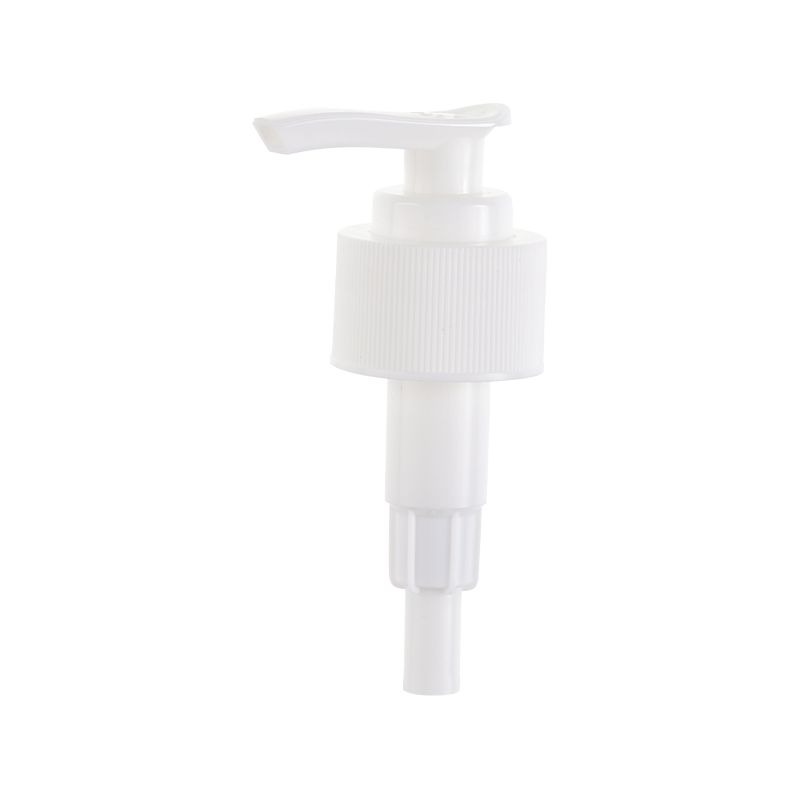 SJ302-A Screw Lotion Pump with A-CapDesigned for thicker formulas, this screw lotion pump has a lock function and precise thread seal to help prevent leaks.View Product →
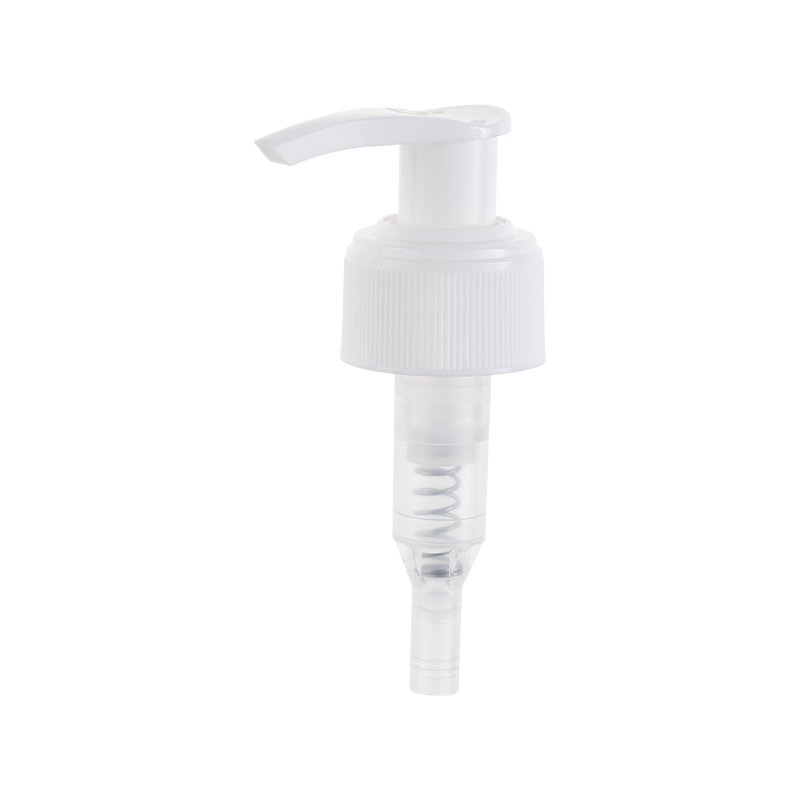 SJ303-A Left/Right-Locking Built-in Pump with Duckbill SpoutA built-in lotion pump with left/right locking and a duckbill spout, available in 24/410 and 28/410 for clean, controlled dispensing.View Product →
How Do Foaming Bottles Work? Inside the Pump That Turns Liquid Into Foam
Content
- 1 The Two-Chamber Principle: Air Counts as an Ingredient
- 2 What Happens Inside the Pump When You Press Down
- 3 Why the Mesh Screen Matters More Than You Might Expect
- 4 The Ratio Problem: Why Foaming Soap Has to Be Thin
- 5 How Foaming Pumps Compare With Other Dispensers
- 6 Locking, Leaks and Travel
- 7 When a Foaming Bottle Stops Foaming
- 8 Matching the Dispenser to the Product
Foaming bottles look like a small piece of magic. You press the top once and a soft, dense dollop of lather appears without any shaking or whisking. The bottle itself is really just a container. Almost all of the work is done by the foaming pump screwed onto its neck, and once you understand the three jobs that pump does at the same time, pull liquid, pull air, and force the two together through a screen, the device stops being mysterious.
This guide walks through the mechanism step by step, looks at the parts you can see when a pump is opened up, and covers the reasons a foaming bottle suddenly stops foaming.
The Two-Chamber Principle: Air Counts as an Ingredient
Most dispensers move only one thing, which is liquid. A foaming pump moves two. Inside the pump body there are effectively two separate paths: one for the liquid drawn up the dip tube from the bottom of the bottle, and one for air, which enters through a small vent and travels through the pump head. One-way valves keep those two paths apart until exactly the right moment.
That is the central difference between a foaming bottle and an ordinary pump bottle. A lotion pump simply pushes product out. A foaming pump deliberately folds air into the liquid at the last possible second, then forces that unstable mixture through a fine screen. The screen breaks big bubbles into many small ones, and that is why the result looks like shaving foam rather than soapy water.
What Happens Inside the Pump When You Press Down
The sequence takes less than a second, but it is easy to follow:
- At rest. A spring holds the piston at the top of its travel. The liquid chamber and the air chamber both sit full and ready, and the dip tube stays submerged in the liquid at the bottom of the bottle.
- On the downstroke. Pressing the actuator pushes the piston down. Because each chamber has its own inlet valve, the liquid is pushed toward the nozzle while the air is compressed in its own space. The valves stop either one from travelling backwards.
- At the mixing point. The compressed air and the liquid are released into the same small cavity just behind the nozzle insert. The air is driven into the liquid and forms a rough, uneven froth.
- Through the mesh. That froth is pushed through one or two fine mesh screens. Each screen splits the bubbles again and again, multiplying their surface area. This is what gives foam its density and its smooth, even texture.
- On the upstroke. The spring returns the piston, the inlet valves open, and both chambers refill by suction. A small vent lets outside air back into the bottle so pressure does not build up and the bottle does not slowly collapse.
Why the Mesh Screen Matters More Than You Might Expect
If you take an old foaming pump apart on a tray, you will usually find one or two small discs of woven mesh sitting just behind the nozzle. Their job is purely mechanical: divide, divide, divide.
Finer mesh produces denser foam, but it is slower and blocks more easily. A single coarse screen gives a lighter, wetter foam with bigger bubbles that collapses quickly. The number of screens and their weave are normally matched to the liquid the pump is designed to dispense, which is why two foaming bottles that look identical can behave very differently in the hand.
The mesh is also the first place to look when foam quality drops. Residue from hard water, oil-based additives or a soap that is too thick can film over the openings and reduce the pump to a weak, watery squirt.
Mesh appears in other dispensers too, in a different role. Our standard trigger sprayers can be fitted with an optional plastic mesh that filters small particles out of the liquid before it reaches the nozzle, which keeps the spray pattern consistent from the first squeeze to the last.
SJ305-A-P Standard Trigger Sprayer with Plastic Mesh Foam NozzleStandard trigger sprayer with integrated plastic mesh foam nozzle, available in 28/400, 28/410, and 28/415 for reliable foam dispensing.View Product →The Ratio Problem: Why Foaming Soap Has to Be Thin
One point surprises a lot of people: foaming soap is not stronger than ordinary liquid soap, it is mostly water. A common homemade mix is one part liquid soap to three parts water, and that dilution is not a trick to save money, it is a requirement. The pump needs a thin, water-like liquid that it can draw up the dip tube and blend with air without clogging.
Thick gels, cream cleansers and anything with a high oil content will either block the mesh or come out as a runny squirt. Viscosity and output volume therefore have to be considered together. Output per stroke decides how much foam lands in your hand, while viscosity decides whether foam forms at all. If you are matching a dispenser to a formulation, our notes on how output volume, viscosity and seal design work together in plastic pumps make a useful companion to this article.
How Foaming Pumps Compare With Other Dispensers
It helps to see the foaming pump next to the dispensers it is often confused with. The table below sets out the basics.
| Dispenser | Mixes in air? | Best for | What comes out |
|---|---|---|---|
| Foaming pump | Yes, air and liquid mix behind the nozzle | Thin, water-like liquids | Dense, even lather |
| Lotion pump | No | Lotions, creams, gels, thicker emulsions | A smooth ribbon or dollop of product |
| Fine mist sprayer | No, pressure alone atomizes the liquid | Very thin, water- or alcohol-based liquids | A fine mist of droplets |
| Trigger sprayer | No, the liquid is broken into droplets | Watery cleaners, toners and treatments | A directed spray or stream |
Our screw lotion pumps are a good reminder of that contrast: a single chamber, no mesh, and a design built entirely around thicker products. The SJ302A is a typical example, and it is a very different animal from the foaming pump on a soap bottle.
SJ302-A Screw Lotion Pump with A-CapDesigned for thicker formulas, this screw lotion pump has a lock function and precise thread seal to help prevent leaks.View Product →Locking, Leaks and Travel
Foaming pumps almost always include a locking collar. You twist the actuator a quarter turn and it can no longer be pressed, which matters when the bottle travels in a bag. The same idea runs through cosmetic packaging, and it is one of the details we spend the most time on, because a dispenser that leaks in transit loses a customer faster than almost anything else.
Our left-right locking lotion pumps take that approach a step further, with an internal or external pump body and a locking action that holds the head in place until the user deliberately turns it. The SJ303A, with its built-in pump and duckbill spout, is a good example of the pattern.
SJ303-A Left/Right-Locking Built-in Pump with Duckbill SpoutA built-in lotion pump with left/right locking and a duckbill spout, available in 24/410 and 28/410 for clean, controlled dispensing.View Product →When a Foaming Bottle Stops Foaming
If the pump suddenly gives you watery liquid instead of foam, the cause is almost always one of these:
- The soap is too thick. Thinned soap works well, while heavy gel soap blocks the mesh and starves the air path.
- The mesh is clogged. Soap residue, hard water minerals or oil-based additives coat the screens. Warm water pumped through a few times usually clears them.
- The mix is wrong. Too much or too little soap changes how the bubbles hold together. Start near one part soap to three parts water and adjust in small steps.
- The dip tube is blocked or the bottle is nearly empty. The pump needs liquid, not only air, to produce foam.
- Air is escaping. A worn valve or a loose collar lets the air chamber lose pressure before the two streams meet.
If the pump is old and the spring no longer returns the piston cleanly, replacement is usually the sensible answer rather than repair.
Matching the Dispenser to the Product
Foaming bottles are a neat piece of engineering, but the principle behind them is the one that runs through all dispensing hardware: the liquid, the valve, the spring and the outlet have to be designed for each other. Get that balance right and a pump feels effortless. Get it wrong and no amount of soap will save it.
We are Yuyao Shangjia Plastic Industry Co., Ltd., a manufacturer of cosmetic packaging components based in Yuyao, Zhejiang. Since 2020 we have built screw lotion pumps, left-right locking pumps, long nozzle pumps, mini trigger sprayers and standard trigger sprayers, and we export to more than twenty countries. Our automation subsidiary handles tooling development and production upgrades, which is what allows us to adapt a pump body, a cap or a nozzle to a client's own bottle and formulation instead of asking them to work around a fixed catalogue.
If you are developing a product and are not sure which dispenser will give you the result you want, tell us about the liquid and the bottle. We will tell you honestly what will work. You can start from our product range or simply get in touch.
You may also like…
-
-

-
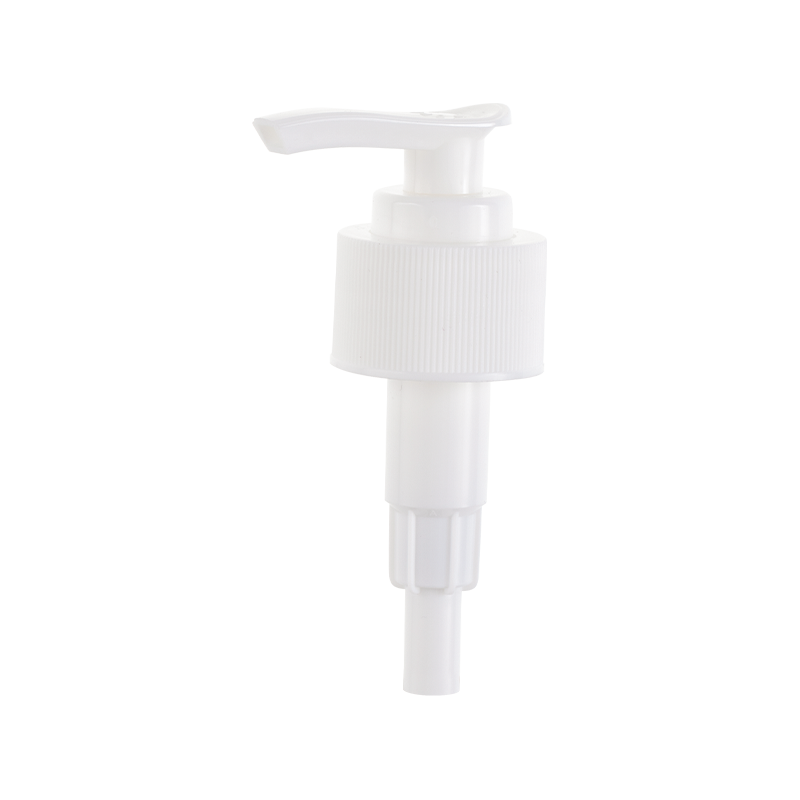
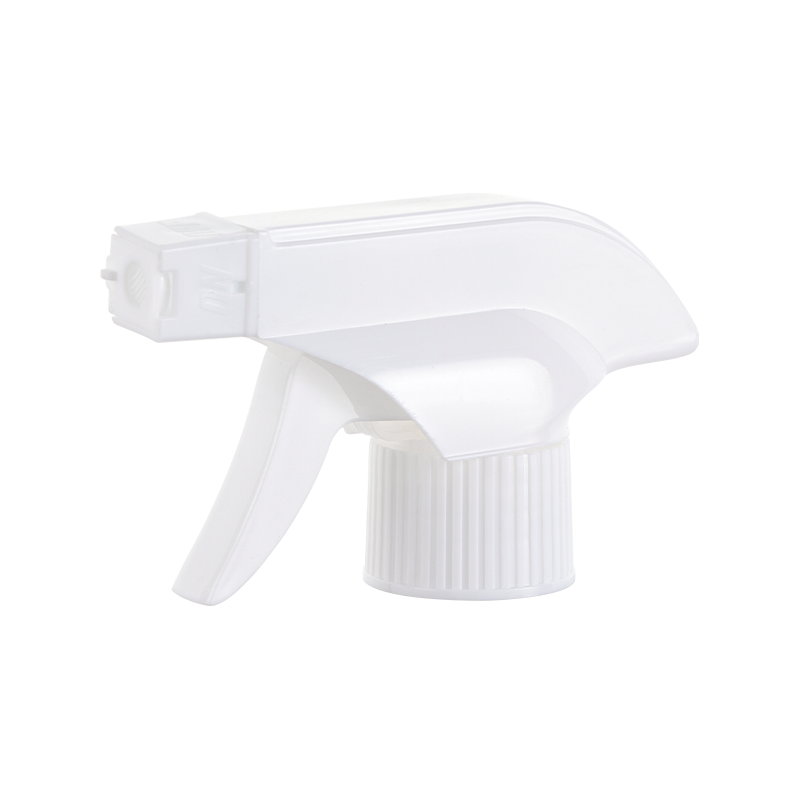 Standard Trigger Sprayer SJ305-E-P Type E Standard Square Trigger Sprayer with Plastic Mesh Foam Nozzle View More
-
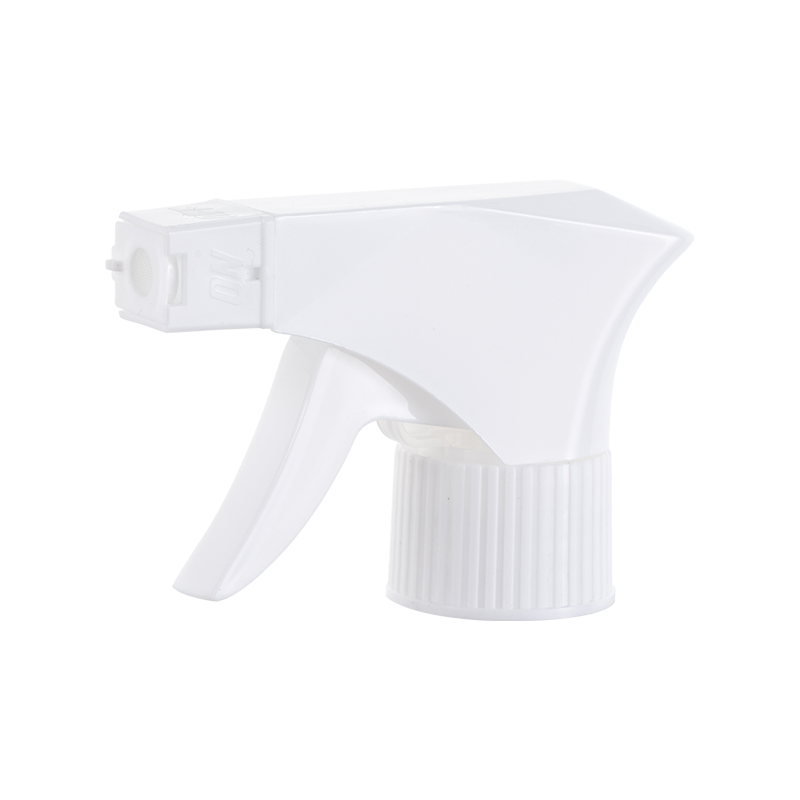 Standard Trigger Sprayer SJ305-D-P Type D Standard Square Trigger Sprayer with Plastic Mesh Foam Nozzle View More
-
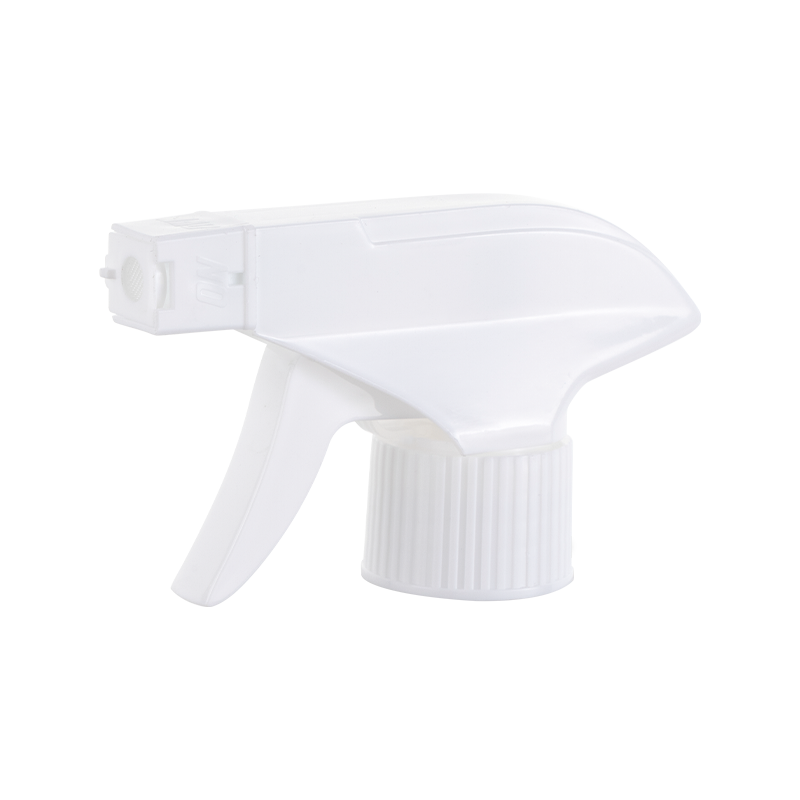 Standard Trigger Sprayer SJ305-C-P Type C Standard Square Trigger Sprayer with Plastic Mesh Foam Nozzle View More
-
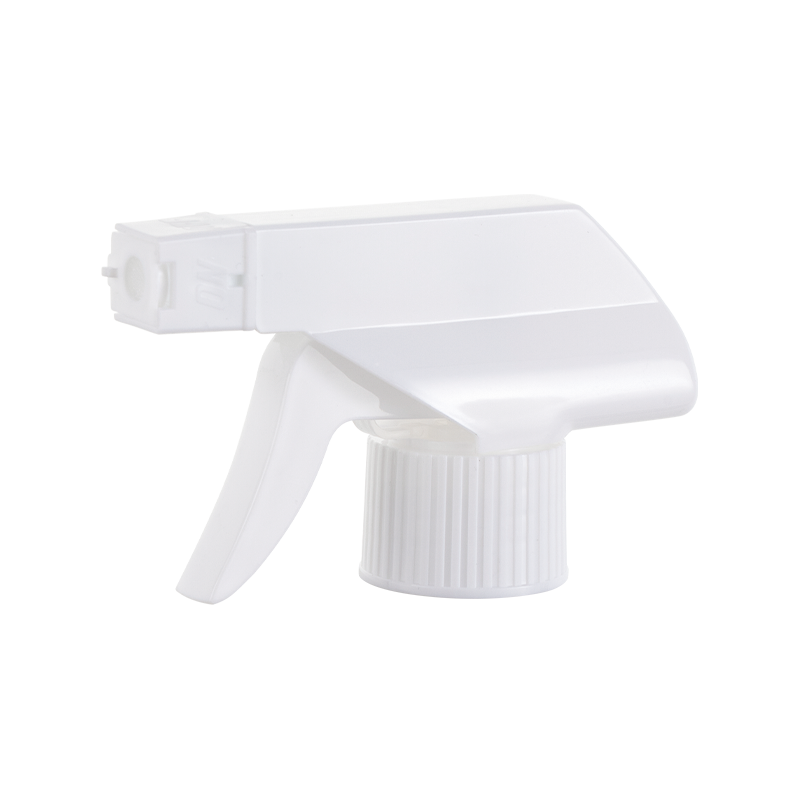 Standard Trigger Sprayer SJ305-B-P Type B Standard Square Trigger Sprayer with Plastic Mesh Foam Nozzle View More
Ready To Customise Your Products?
Specializing in the production of mouse spray gun,
square gun, long rod spray, screw pump, switch pump, detergent pump, small
spray pump and other products
Product Categories
News
Contact Us
-
 Telephone: +86-18857413535
-
 Email: sales01@shangjiasprayer.com
-
 Whatsapp: 8615067463359
-
 Company Address No. 4 Xieli Road, Simen Town, Yuyao City, Ningbo City, Zhejiang Province
