

 English
 русский
 Français
 عربى
عربى Company News


Industry News
Home / News / Industry News / How Do Foam Pumps Work? Understanding the Mechanics Behind Foam Dispensers
Search
Categories
Recommend News
Categories
Recommend News
-
Industry News
-
Industry News
-
Industry News
Sep 30, 2026 - By admin
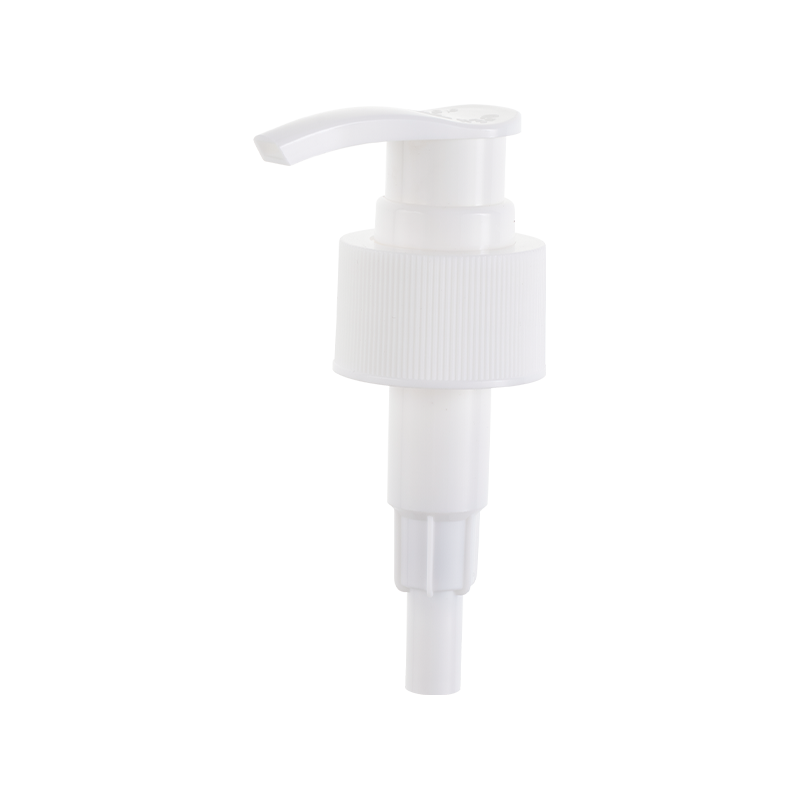 SJ302-B Screw Lotion Pump with Duckbill Cap for Precise DispensingThis pump pairs a screw closure with a duckbill cap to control flow and reduce drips. Its sturdy construction and smooth action suit lotions, serums, and hand products, making it a practical choice for brands seeking clean, reliable packaging.View Product →
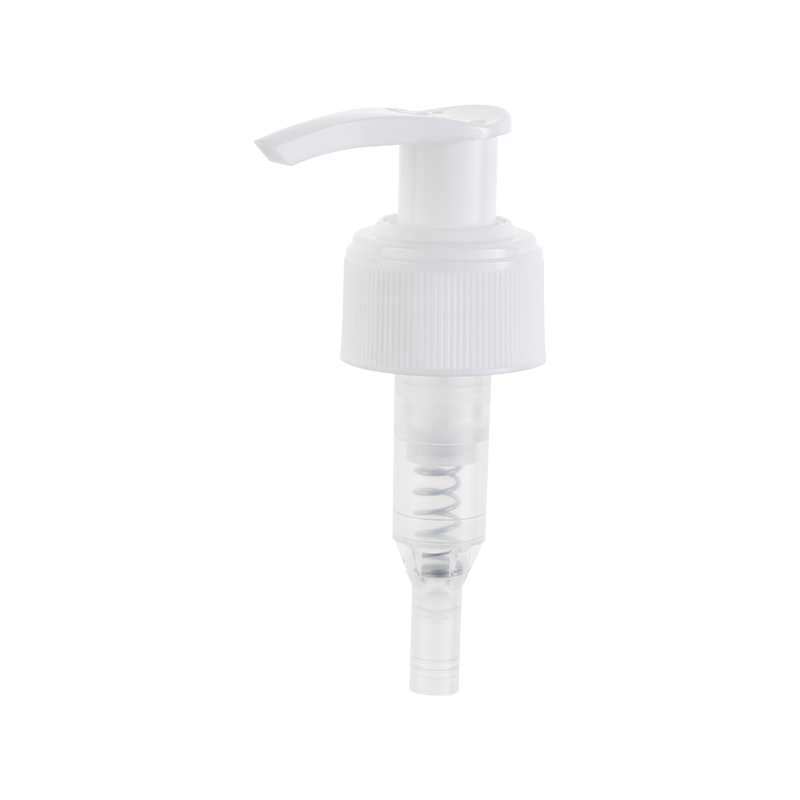 SJ303-A Left/Right-Locking Pump with Built-in Duckbill SpoutThis locking pump addresses common leakage concerns in shipping and daily handling. The dual-direction lock secures the spout, while the duckbill design ensures controlled output. It offers a robust alternative when foam-pump seal reliability is a priority.View Product →
How Do Foam Pumps Work? Understanding the Mechanics Behind Foam Dispensers
Content
Foam pumps have quietly become one of the most common dispensing systems in personal care and household packaging. A single press turns a thin liquid soap into a rich, stable foam that feels completely different from the original formula. Consumers enjoy the experience, and brands appreciate the efficiency, since foam spreads quickly with a smaller amount of product. Yet for packaging buyers and product developers, the foam pump is often treated as a black box. Understanding how foam pumps work helps you make better sourcing decisions, avoid common failure modes and communicate more clearly with your packaging supplier.
The Basic Architecture of a Foam Pump
A foam pump looks similar to a standard lotion pump, and that is part of its appeal. The user does not need to learn a new gesture. Under the actuator, however, the structure is noticeably more complex. In addition to the liquid path that exists in a normal pump, a foam pump includes an air path, a mixing zone and a screen assembly. Each of these parts must be precisely manufactured so that the pump delivers consistent foam quality over tens of thousands of strokes.
The table below lists the main components you will typically find inside a foam pump.
| Component | Role in the pumping cycle |
|---|---|
| Actuator | Transfers pressing force and directs the foam stream |
| Dip tube | Carries liquid from the bottle into the pump body |
| Piston | Compresses the chamber during pressing and creates suction during recovery |
| Spring | Returns the piston and stores energy for the recovery stroke |
| Liquid one-way valve | Allows liquid to enter the chamber but prevents backflow into the bottle |
| Air one-way valve | Admits atmospheric air while keeping liquid inside the pump |
| Mixing chamber | Combines liquid and air in a controlled ratio |
| Mesh screen | Shears the mixture into fine bubbles for foam formation |
How a Foam Pump Works Step by Step
The working cycle of a foam pump can be summarized in one phrase: it pumps liquid and air together, then pushes the mixture through a screen. This is fundamentally different from a liquid pump, which simply moves the product from the bottle to the outside.
- Press the actuator. The piston moves downward and compresses the liquid-air mixture already present in the chamber.
- The compressed mixture is forced upward through the mesh screen. The fine openings shear the liquid into ultra-thin films that wrap around air pockets and form microbubbles.
- The foam exits through the actuator spout and lands on the user's hand, sponge or surface.
- Release the actuator. The spring expands and pushes the piston back upward.
- The upward movement creates a low-pressure zone inside the pump. The liquid one-way valve opens, allowing product to flow from the bottle through the dip tube and into the pump chamber.
- At the same time, the air one-way valve opens and admits fresh air into the air channel. The liquid and air are led into the mixing chamber separately, ready for the next press.
The entire cycle takes only a fraction of a second. In a well-made foam pump, the air-to-liquid ratio stays nearly constant stroke after stroke, which is what keeps the foam texture consistent from the first press to the last. If the ratio drifts because of worn valves, a weak spring or an inaccurate mold, the foam becomes wetter, runnier or less stable.
The air-to-liquid ratio is one of the most important design parameters. Most foam pumps are designed to mix roughly seven or eight parts of air with one part of liquid, although the optimal value depends on the viscosity of the formula and the desired foam density. Too little air produces wet foam that collapses quickly; too much air makes the foam dry and less pleasant to use.
Foam Pump vs. Lotion Pump: Choosing the Right Dispenser
Because foam pumps and lotion pumps share a similar exterior, buyers sometimes assume they are interchangeable. Technically, they are not. A lotion pump has one liquid path. When the actuator is pressed, the liquid chamber compresses and product is pushed out through the spout in its original form. There is no air inlet and no screen, which makes the lotion pump simpler, less expensive and very reliable for direct-dispensing applications.
A foam pump adds an air inlet, a mixing chamber and at least one screen to the same basic architecture. These additions enable the foaming effect, but they also introduce more variables. Foam quality depends on the dimensional accuracy of the valves, the alignment of the screen assembly and the spring's long-term performance. This is why foam pump manufacturing demands a higher degree of precision-molding capability than conventional lotion pump production.
For products that must keep their original liquid texture — lotions, serums, sunscreens — a lotion pump remains the better choice. Our SJ302 series screw lotion pumps deliver consistent dosing without altering the product's physical form. They are available with a range of cap styles, including duckbill caps, heart-shaped caps and custom C, D and F caps, making them a flexible option for cosmetic and personal care packaging.
SJ302-B Screw Lotion Pump with Duckbill Cap for Precise DispensingThis pump pairs a screw closure with a duckbill cap to control flow and reduce drips. Its sturdy construction and smooth action suit lotions, serums, and hand products, making it a practical choice for brands seeking clean, reliable packaging.View Product →What to Consider When Selecting a Foam Pump
Choosing a foam pump is different from buying a standard lotion pump because the pump itself actively shapes the product experience. The foam quality is not determined only by the formula; the pump's air-to-liquid ratio, mesh density and valve accuracy all influence how the foam looks, feels and holds up.
Consider the following points when you evaluate foam pump samples:
- Foam density and stability. Ask the supplier for a mesh specification matched to your formula. A finer mesh generates denser, smoother foam but also increases the pressing force and can slow output.
- Liquid viscosity. Foam pumps work best with low-viscosity liquids such as diluted soap, facial cleanser and sanitizer. Thick formulas usually need to be diluted before they can be foamed. Viscosity matching is a critical part of the development process; our guide on pump output volume and viscosity matching explains how these parameters interact.
- Output volume per stroke. A typical hand wash foam pump delivers 1.5 to 2.5 milliliters of foam per stroke. Check the liquid consumption per stroke as well, because that number determines how many doses the bottle can provide.
- Leak prevention. Foam pumps contain more seals and valves than liquid pumps, which means more potential leakage points. If the bottle will be transported, stored upside down or carried in a bag, choose a pump with robust valve construction.
- Material compatibility. Pump components must be chemically compatible with the formula. Some fragrance oils, preservatives or sanitizing agents can attack plastic and cause swelling or cracking. Confirm wetted materials with your supplier before finalizing the design.
- Supplier experience. A foam pump is a precision assembly that demands tight tolerances and stable process control. A supplier with in-house molding and automation capabilities can respond faster to design changes and maintain consistent quality. At Yuyao Shangjia Plastic Industry, our wholly owned automation subsidiary supports rapid iteration on molds and production lines.
In practice, leakage is the most common complaint about foam pumps. Because they contain separate air and liquid channels, the seal count is higher than in a lotion pump, and every seal is a potential leak point. For brands that ship bottles internationally or sell through e-commerce, this risk must be managed carefully. One practical alternative is to choose a locking lotion pump instead of a foam pump. The left-right locking mechanism physically blocks the spout when the actuator is turned, preventing leaks during transport and casual carrying. Our SJ303A left-right locking lotion pump is a good example of this approach.
SJ303-A Left/Right-Locking Pump with Built-in Duckbill SpoutThis locking pump addresses common leakage concerns in shipping and daily handling. The dual-direction lock secures the spout, while the duckbill design ensures controlled output. It offers a robust alternative when foam-pump seal reliability is a priority.View Product →Final Thoughts
Foam pumps are compact precision instruments. They combine fluid dynamics, precision molding and user experience in a small plastic package. Understanding how they work is the first step toward selecting a pump that delivers consistent foam, stable performance and reliable leak prevention. Whether you are launching a new foaming product or improving an existing one, the right pump supplier makes a significant difference.
At Yuyao Shangjia Plastic Industry, we specialize in packaging pumps and sprayers for the cosmetic and personal care market. From screw lotion pumps to left-right locking pumps, mini trigger sprayers and standard trigger sprayers, our product range covers a broad spectrum of dispensing needs. Our in-house automation subsidiary supports high-precision manufacturing and rapid sample development. If you are evaluating pumps for your next project, we are happy to help. Browse our packaging components or contact us with your specifications — we would love to share our experience.
You may also like…
-
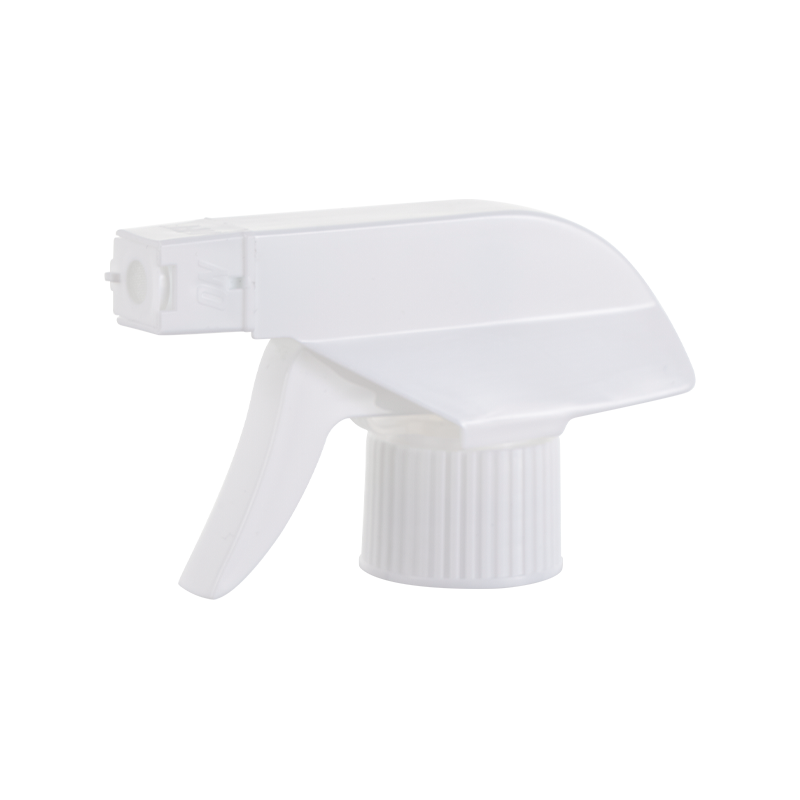 Standard Trigger Sprayer SJ305-A-P Type A Standard Square Trigger Sprayer with Plastic Mesh Foam Nozzle View More
-
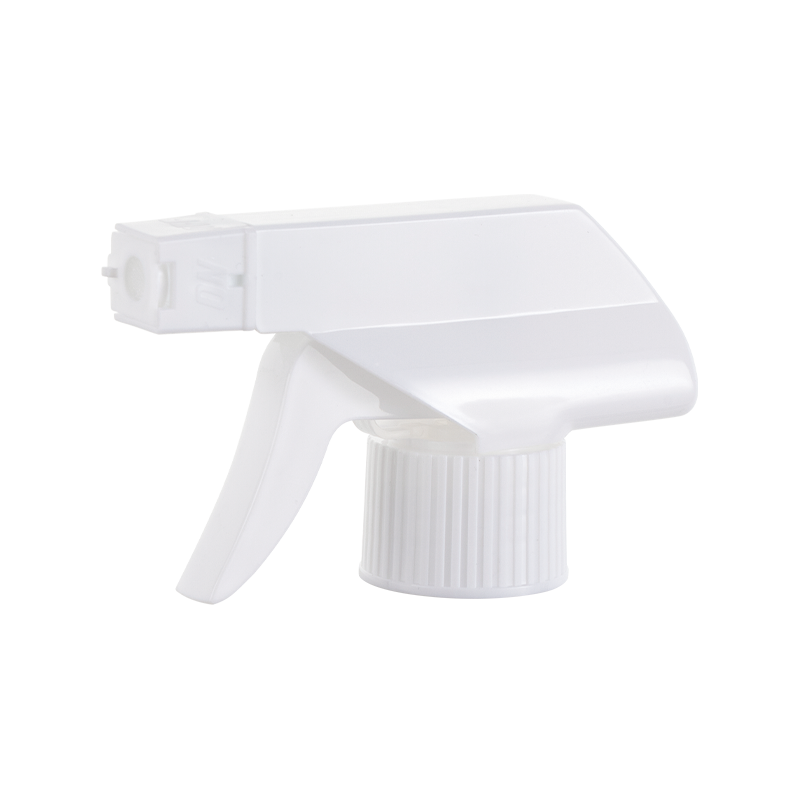 Standard Trigger Sprayer SJ305-B-P Type B Standard Square Trigger Sprayer with Plastic Mesh Foam Nozzle View More
-
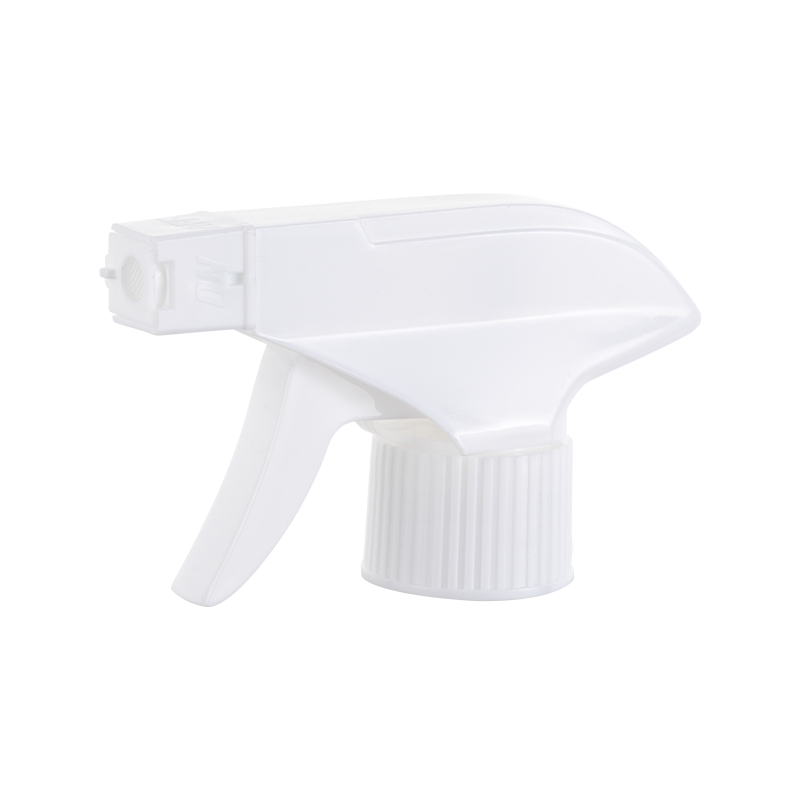 Standard Trigger Sprayer SJ305-C-P Type C Standard Square Trigger Sprayer with Plastic Mesh Foam Nozzle View More
-
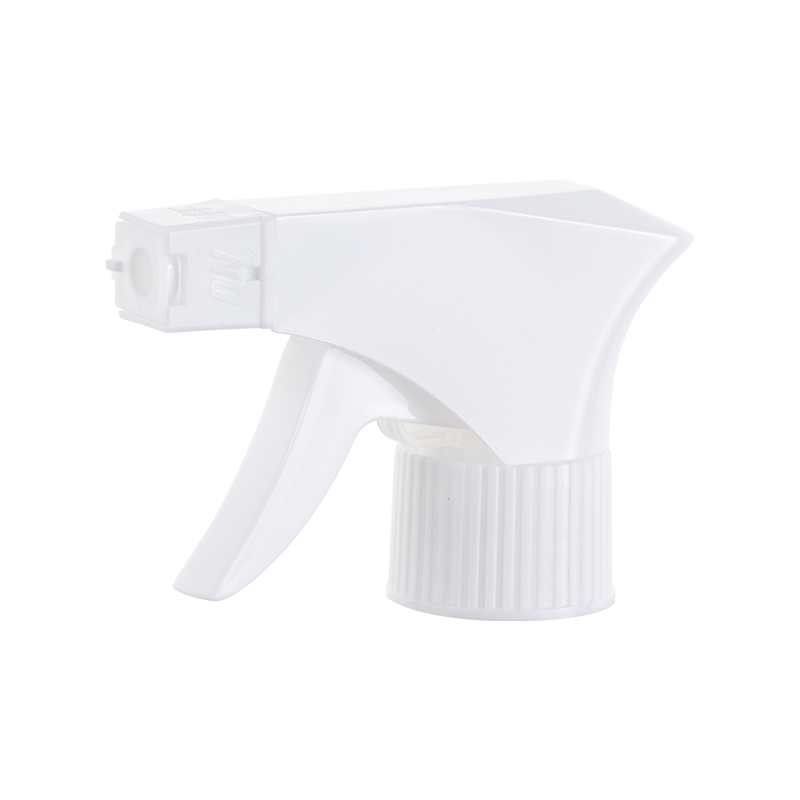 Standard Trigger Sprayer SJ305-D-P Type D Standard Square Trigger Sprayer with Plastic Mesh Foam Nozzle View More
-
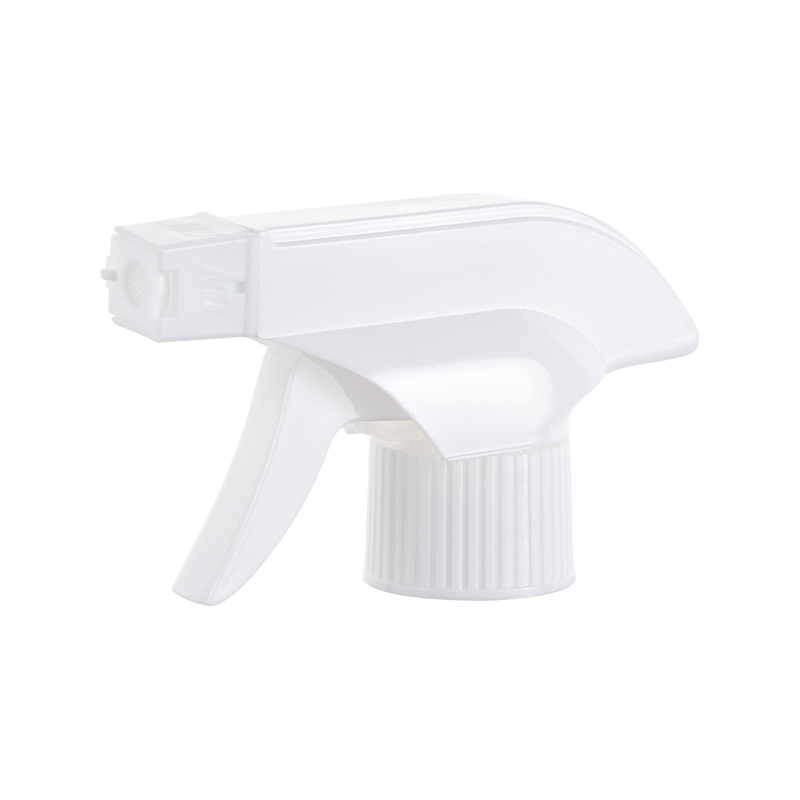 Standard Trigger Sprayer SJ305-E-P Type E Standard Square Trigger Sprayer with Plastic Mesh Foam Nozzle View More
-
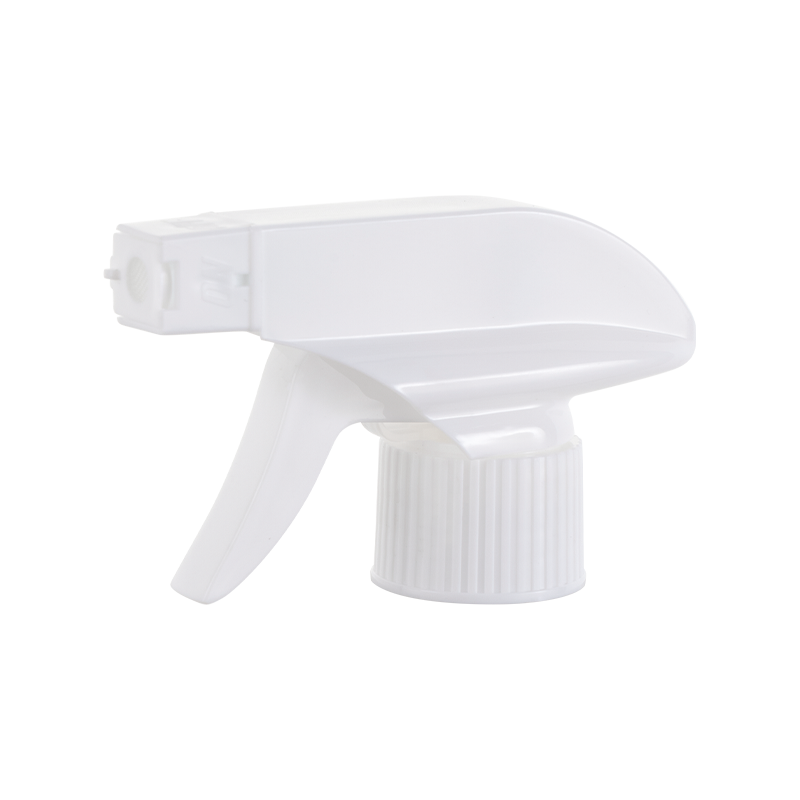 Standard Trigger Sprayer SJ305-F-P Type F Standard Square Trigger Sprayer with Plastic Mesh Foam Nozzle View More
Ready To Customise Your Products?
Specializing in the production of mouse spray gun,
square gun, long rod spray, screw pump, switch pump, detergent pump, small
spray pump and other products
Product Categories
News
Contact Us
-
 Telephone: +86-18857413535
 -
 Email: sales01@shangjiasprayer.com
 -
 Whatsapp: 8615067463359
 -
 Company Address No. 4 Xieli Road, Simen Town, Yuyao City, Ningbo City, Zhejiang Province
