

 English
 русский
 Français
 عربى
عربى Company News


Industry News
Home / News / Industry News / How does the output volume per stroke of a Plastic Trigger Sprayer compare with that of a lotion pump dispenser?

Search
Categories
Recommend News
Categories
Recommend News
-
Industry News
-
Industry News
-
Company News
Sep 15, 2026 - By admin
How does the output volume per stroke of a Plastic Trigger Sprayer compare with that of a lotion pump dispenser?
Content
- 1 Output Volume, Decoded: Trigger Sprayer vs. Lotion Pump
- 2 Direct Answer: Output Volume Comparison
- 3 Why the Mechanisms Produce Different Output Volumes
- 4 Side-by-Side Output Data
- 5 How Formula Viscosity Changes the Comparison
- 6 Cost Per Use and Product Longevity
- 7 Adjustability and Dosing Control
- 8 Choosing the Right Dispenser for Your Product
Packaging Engineering & Dispenser Design
Output Volume, Decoded: Trigger Sprayer vs. Lotion Pump
A close reading of two familiar mechanisms — one built to cover, one built to control — and why the number of milliliters they release per stroke tells only half the story.
Direct Answer: Output Volume Comparison
A standard Plastic Trigger Sprayer delivers between 0.8 ml and 1.2 ml of liquid per full trigger pull, while a typical lotion pump dispenser releases between 0.3 ml and 0.5 ml per full downward stroke. In practical terms, this means a Trigger Sprayer puts out roughly two to three times more liquid in a single actuation than a lotion pump. This difference is not accidental; it reflects two fundamentally different mechanical designs built for two different jobs. A trigger sprayer is engineered to atomize liquid across a wide surface area, while a lotion pump is engineered to dispense a controlled, concentrated dose onto a hand or applicator pad.
For anyone choosing between the two for a bottling or packaging project, the output volume per stroke is one of the most important specifications to evaluate, because it directly affects how many uses a bottle will provide, how the product feels to the end user, and how much active ingredient reaches the target surface in a given amount of time.
Why the Mechanisms Produce Different Output Volumes
The internal chamber of a Plastic Trigger Sprayer is generally larger than that of a lotion pump because the sprayer needs to push liquid through a narrow nozzle at enough pressure to atomize it into a mist or stream. To generate that pressure with only finger force, engineers size the piston chamber to move a larger volume of liquid on each pull, typically in the 28/400 or 24/410 neck-finish range, where chamber displacement is optimized for spray consistency rather than dose precision.
A lotion pump, by contrast, uses a smaller piston stroke and often includes a locking collar that limits travel distance. Because lotion, cream, and gel formulas are viscous, the pump does not need to build atomizing pressure; it only needs to push a measured dose out of the dip tube and through the dispensing head. Smaller stroke volume also keeps the product from spilling out in an uncontrolled ribbon, which matters for cosmetic and personal-care use cases where portion control affects both user experience and cost per use.
Chamber Size and Stroke Length
Stroke length is the physical distance the piston travels inside the pump housing. On most Trigger Sprayer units, the piston travels between 10 mm and 14 mm, while lotion pumps commonly limit travel to 6 mm to 9 mm. Because output volume is a function of both chamber diameter and stroke length, even a modest increase in either dimension compounds into a noticeably larger discharge volume for the trigger mechanism.
The chamber does not decide what a formula needs — the formula decides what the chamber must become.
Side-by-Side Output Data
The table below summarizes typical output ranges gathered from common packaging specification sheets for both dispenser types. These figures can vary by manufacturer tolerance, orifice size, and formula viscosity, but they represent the ranges most buyers should expect when sourcing components for a new product line.
| Attribute | Plastic Trigger Sprayer | Lotion Pump Dispenser |
|---|---|---|
| Output per stroke | 0.8 ml – 1.2 ml | 0.3 ml – 0.5 ml |
| Typical piston stroke | 10 mm – 14 mm | 6 mm – 9 mm |
| Ideal viscosity range | 1 – 200 cP | 200 – 5000 cP |
| Common uses per 500 ml bottle | Approximately 450 – 550 pulls | Approximately 1,000 – 1,400 pumps |
Even though each pull of a Trigger Sprayer releases more liquid, a 500 ml bottle fitted with one will still often run out sooner than the same bottle fitted with a lotion pump, simply because trigger sprayers are used for full-surface coverage tasks like cleaning, misting, or degreasing, where multiple pulls per application are normal.
Info
Output specifications are typically measured at a standard actuation speed under laboratory conditions. Real-world output can shift slightly with user grip strength and ambient temperature.
How Formula Viscosity Changes the Comparison
Viscosity is the single biggest factor that determines whether a Plastic Trigger Sprayer or a lotion pump is the right choice, and it also affects the real-world output volume of each. A trigger sprayer is designed for thin, low-viscosity liquids such as glass cleaner, disinfectant, or diluted degreaser. When the same trigger mechanism is used with a thicker liquid, the actual dispensed volume per pull often drops below its rated specification because the piston cannot draw and expel viscous fluid as efficiently through the narrow nozzle orifice.
Lotion pumps are built the opposite way. Their wider dip tubes and larger ball-check valves are optimized for creams, gels, and lotions in the 200 to 5,000 centipoise range. If a low-viscosity liquid like water is loaded into a lotion pump, it may leak or dispense inconsistently, since the pump relies on a certain amount of fluid resistance to seal properly between strokes.
Practical Example
Consider a manufacturer bottling a 300 ml all-purpose cleaner and a 300 ml hand lotion. The cleaner, fitted with a Trigger Sprayer, will require the user to pull the trigger two or three times to cover a countertop, dispensing roughly 2 ml to 3 ml total. The lotion, fitted with a pump, will require only one or two pumps to cover both hands, dispensing roughly 0.5 ml to 1 ml total. Both amounts feel appropriate to their respective tasks, even though the trigger sprayer's per-stroke output is objectively higher.
Warning
Forcing a viscous formula through a low-viscosity trigger sprayer nozzle can cause inconsistent spray patterns, clogging, or premature seal wear.
Cost Per Use and Product Longevity
Higher output per stroke means a bottle fitted with a Plastic Trigger Sprayer generally has a shorter functional lifespan than the same bottle fitted with a lotion pump, assuming similar usage frequency. This has direct implications for cost per use calculations that brand owners and procurement teams should factor into packaging decisions.
- A 500 ml bottle with a trigger sprayer averaging 1 ml per pull yields approximately 500 total pulls before the bottle is empty.
- A 500 ml bottle with a lotion pump averaging 0.4 ml per pump yields approximately 1,250 total pumps before the bottle is empty.
- For a household cleaning routine using 4 to 6 pulls per session, a trigger-sprayer bottle lasts roughly 80 to 125 sessions.
- For a skincare routine using 1 to 2 pumps per application, a lotion-pump bottle lasts roughly 625 to 1,250 applications.
These numbers show that comparing "output per stroke" in isolation can be misleading. The more meaningful comparison for buyers is output per stroke combined with expected strokes per use, since that combination determines how long a bottle will realistically last on a store shelf or in a customer's home.
Success
Calculating cost per use — rather than cost per bottle — gives the clearest picture of which dispenser actually delivers better long-term value for a given formula.
Adjustability and Dosing Control
Many modern Plastic Trigger Sprayer designs include an adjustable nozzle head that lets the user switch between a fine mist, a stream, and an off position, but they rarely allow adjustment of the per-pull volume itself, since that is fixed by the internal piston chamber size. Lotion pumps, on the other hand, sometimes include a dosing collar that can be rotated to change the maximum stroke length, effectively lowering the output volume for products that need a lighter, more controlled dose.
This distinction matters for brand owners formulating products where dose precision affects customer satisfaction, such as concentrated serums or targeted treatment lotions. A Trigger Sprayer is not typically the right choice when dose accuracy at a small volume is required, because its chamber is built for larger, less precise discharges suited to broad-area application rather than spot dosing.
When Precision Matters Most
If a formula is expensive per milliliter, such as an active-ingredient serum, the lower and more controllable output of a lotion pump reduces product waste and extends the useful life of the bottle. If the formula is inexpensive and needs to cover a wide surface, such as a multi-surface cleaner, the higher output of a trigger sprayer is an advantage rather than a drawback, because it speeds up the task of covering large areas.
Danger
Using a fixed-volume trigger sprayer on a high-cost, low-dose formula can silently waste a significant share of the product with every single pull.
Choosing the Right Dispenser for Your Product
Selecting between a Plastic Trigger Sprayer and a lotion pump should start with the product's viscosity and intended use pattern rather than the dispenser's output specification alone. The following considerations can help guide that decision.
- Confirm formula viscosity: liquids under roughly 200 cP typically pair well with a Trigger Sprayer, while thicker formulas need a lotion pump.
- Estimate strokes per use: a task that needs full-surface coverage favors higher output per pull, while a task that needs a controlled dab favors lower output per stroke.
- Calculate expected bottle life: multiply output per stroke by expected strokes per session to estimate how many sessions a given bottle size will support.
- Test nozzle and pump variants: within each dispenser category, orifice size and piston diameter can be adjusted by the packaging supplier to fine-tune output volume for a specific formula.
- Consider user experience: dispensers that release too much or too little product per stroke relative to expectations can create a perception of poor value, even when the underlying formula quality is high.
In short, the higher per-stroke output of a Trigger Sprayer is a feature suited to cleaning, gardening, and personal-care mist applications where speed and coverage matter, while the lower, more controlled output of a lotion pump is a feature suited to viscous, higher-value formulas where dosing precision and product conservation matter more. Matching the dispenser mechanism to the formula and the use case, rather than choosing based on output volume alone, is the most reliable way to select the right packaging component for any given product.
You may also like…
-
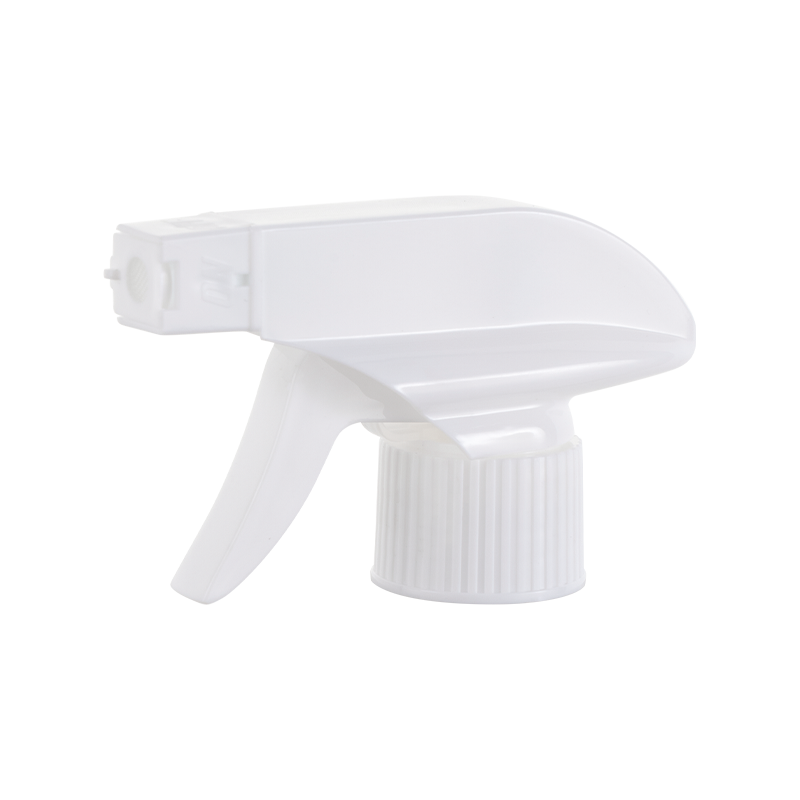 Standard Trigger Sprayer SJ305-F-P Type F Standard Square Trigger Sprayer with Plastic Mesh Foam Nozzle View More
-
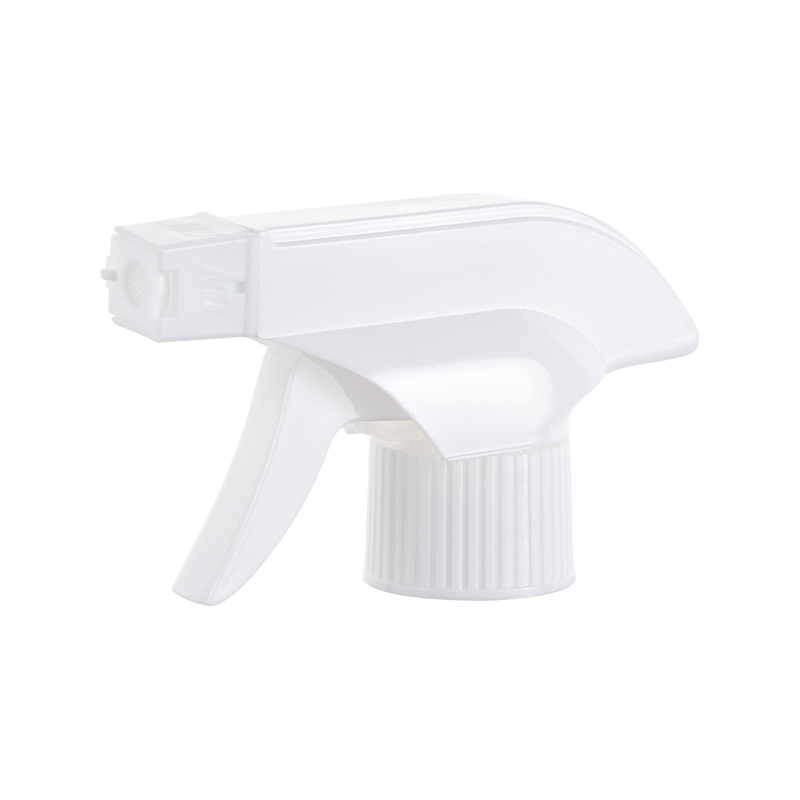 Standard Trigger Sprayer SJ305-E-P Type E Standard Square Trigger Sprayer with Plastic Mesh Foam Nozzle View More
-
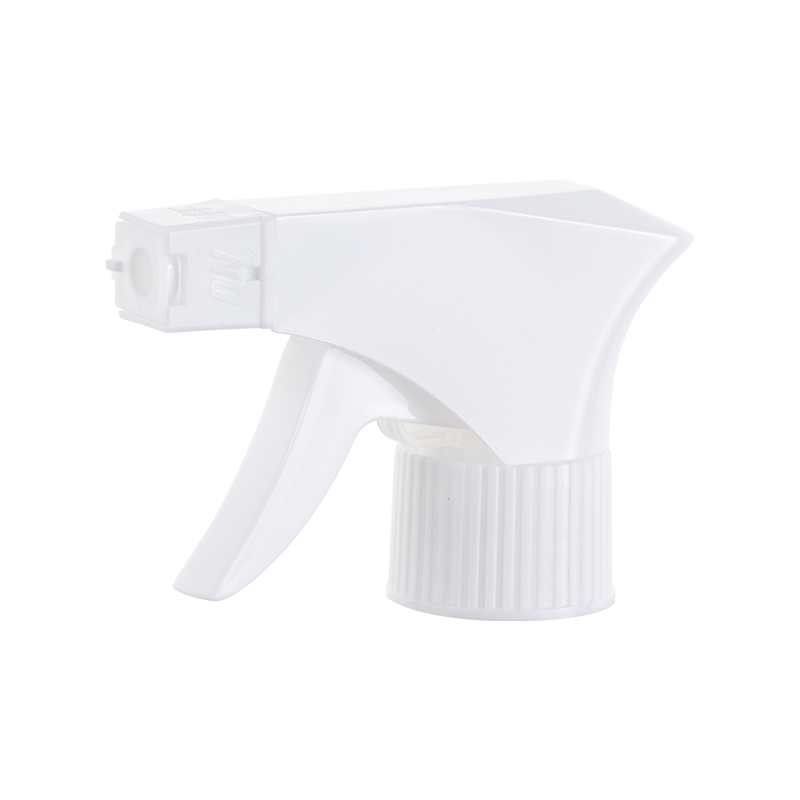 Standard Trigger Sprayer SJ305-D-P Type D Standard Square Trigger Sprayer with Plastic Mesh Foam Nozzle View More
-
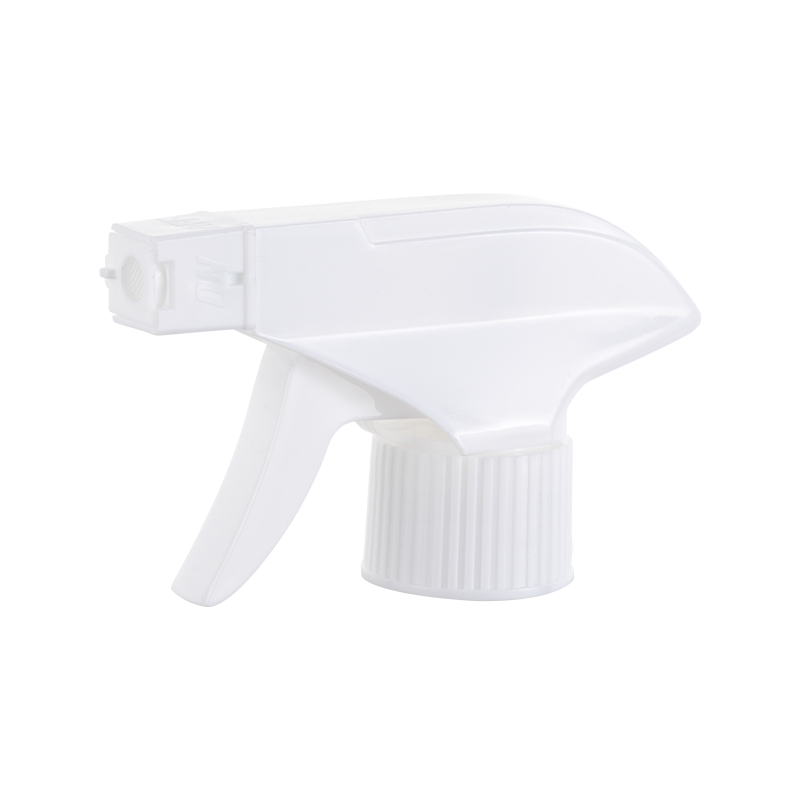 Standard Trigger Sprayer SJ305-C-P Type C Standard Square Trigger Sprayer with Plastic Mesh Foam Nozzle View More
-
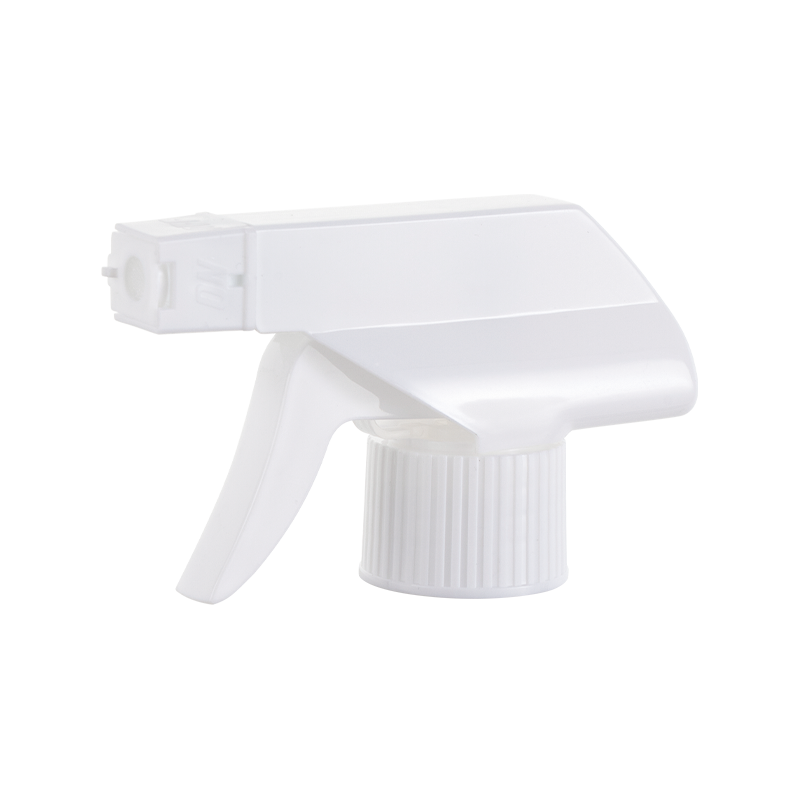 Standard Trigger Sprayer SJ305-B-P Type B Standard Square Trigger Sprayer with Plastic Mesh Foam Nozzle View More
-
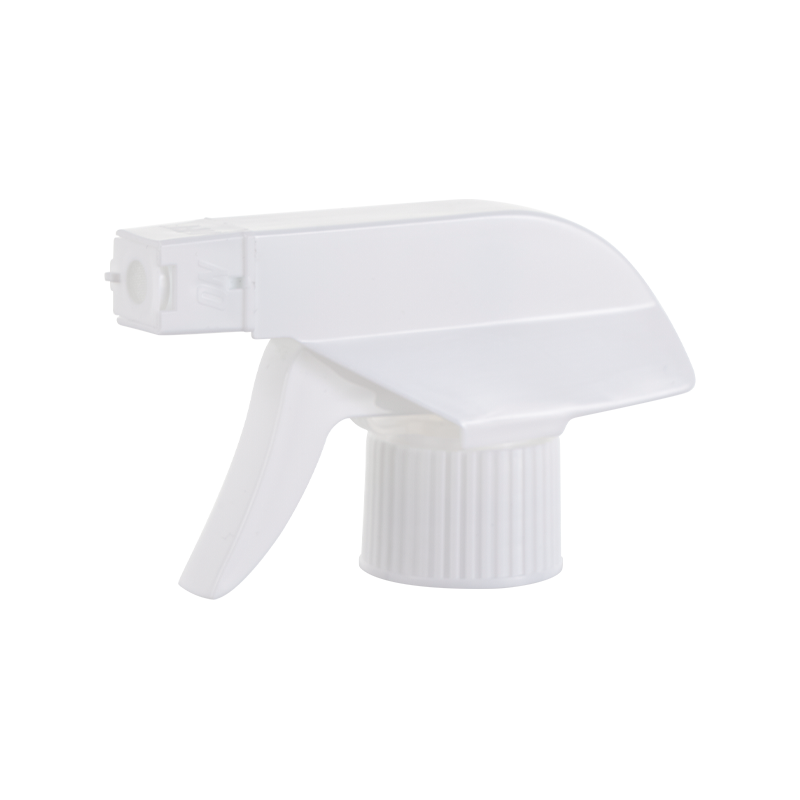 Standard Trigger Sprayer SJ305-A-P Type A Standard Square Trigger Sprayer with Plastic Mesh Foam Nozzle View More
Ready To Customise Your Products?
Specializing in the production of mouse spray gun,
square gun, long rod spray, screw pump, switch pump, detergent pump, small
spray pump and other products
Product Categories
News
Contact Us
-
 Telephone: +86-18857413535
 -
 Email: sales01@shangjiasprayer.com
 -
 Whatsapp: 8615067463359
 -
 Company Address No. 4 Xieli Road, Simen Town, Yuyao City, Ningbo City, Zhejiang Province
