

 English
 русский
 Français
 عربى
 Company News


Industry News
Home / News / Industry News / How Do You Open a Soap Pump? A Complete Guide to Unlocking Lotion Pumps

Search
Categories
Recommend News
Categories
Recommend News
-
Industry News
-
Industry News
-
Industry News
Oct 29, 2026 - By admin
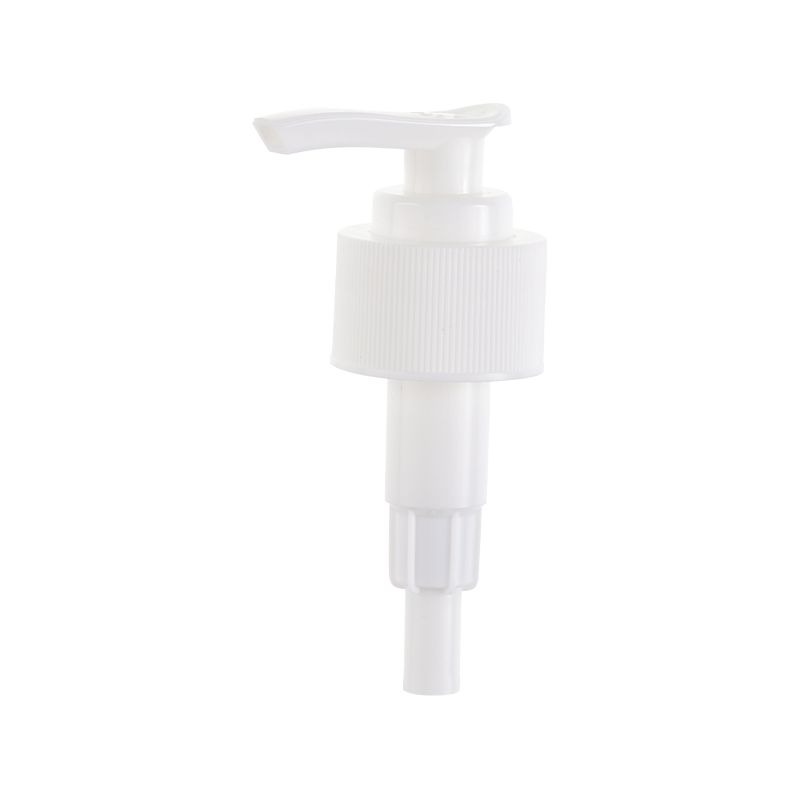
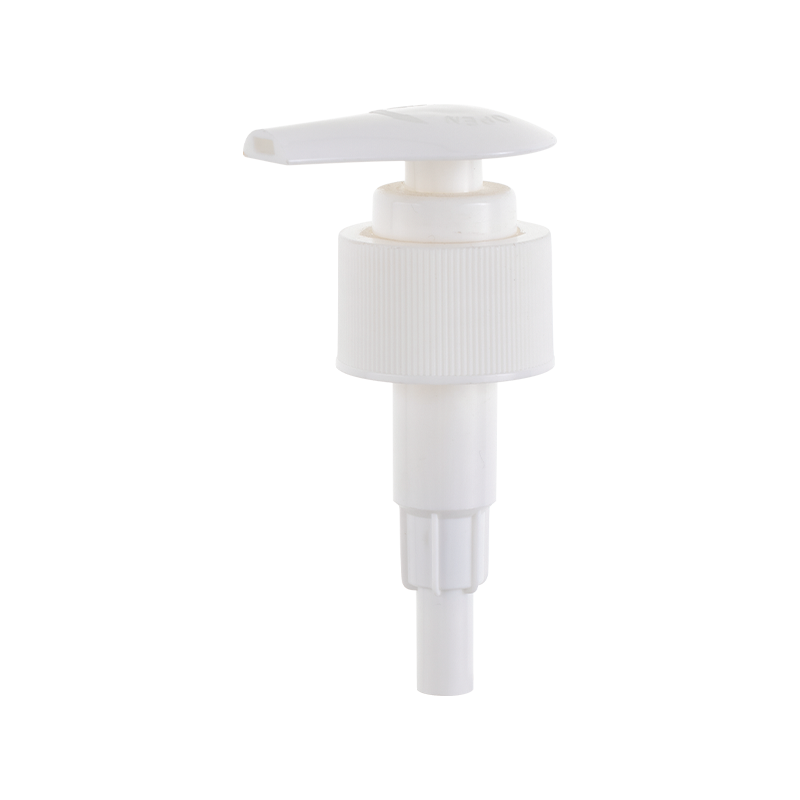
 Heart-Shaped Left-Right Locking Lotion PumpThis pump features the same twist-left-to-unlock mechanism discussed above; remember to twist, never pull, to release the spring safely.View Product →
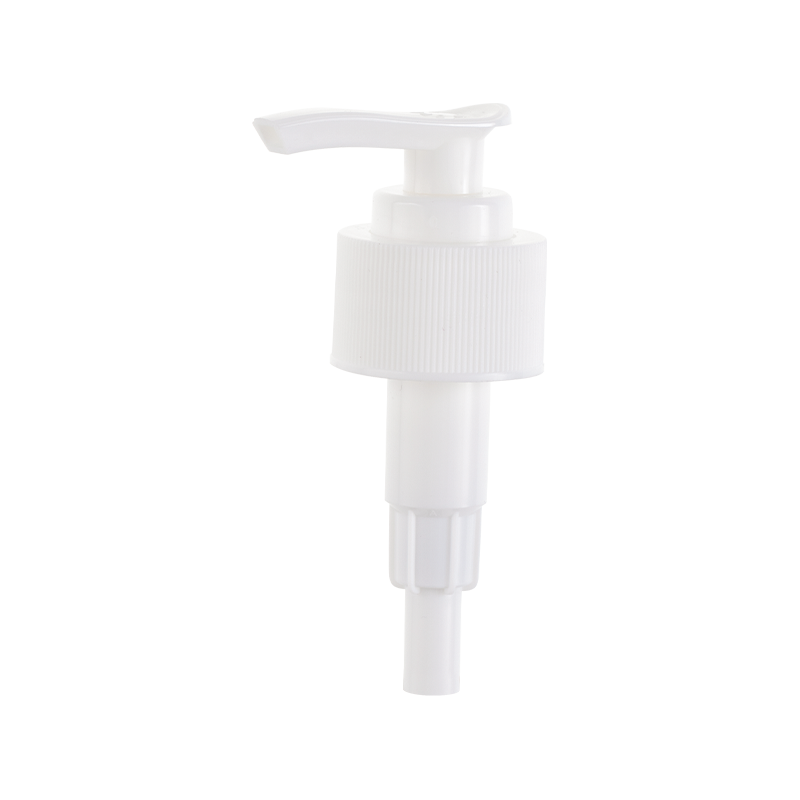
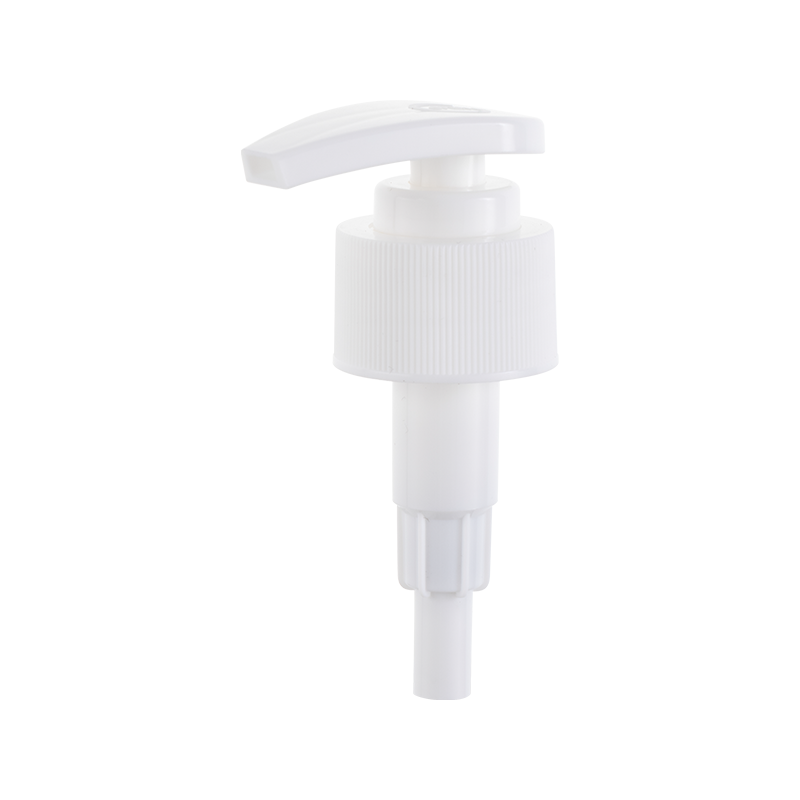
 Screw-Type Lotion Pump with A-Cap and Precise DosageUnlike the left-right locks, this screw-cap pump offers 2.0 ml per stroke and is ideal for skincare products when consistent output matters.View Product →
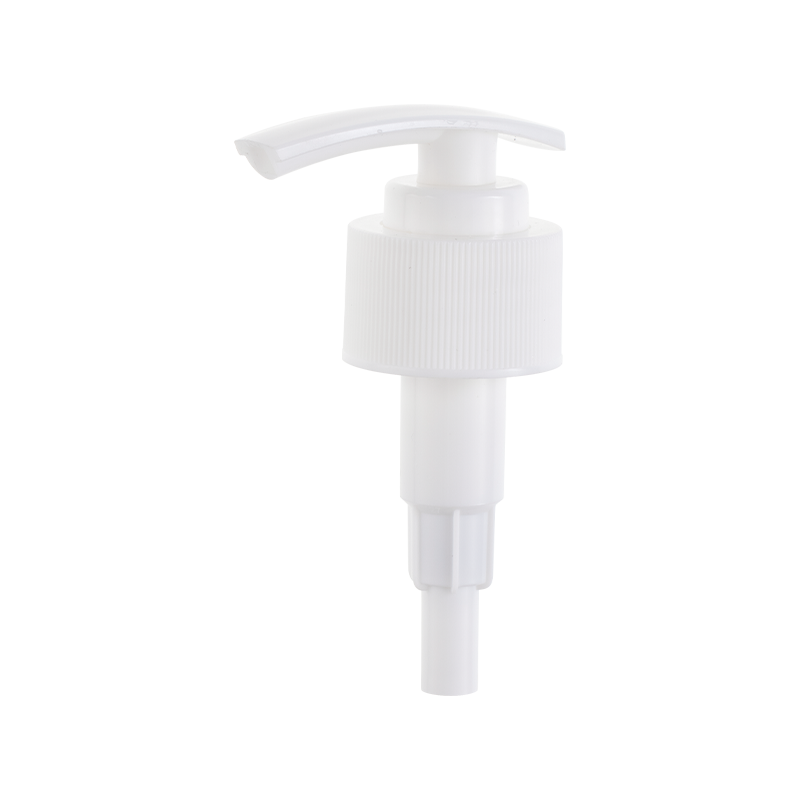
 External Locking Pump with Duckbill NozzleThis external-lock model requires proper counterclockwise rotation to open—use a cloth for grip—and the duckbill nozzle ensures smooth dispensing.View Product →
How Do You Open a Soap Pump? A Complete Guide to Unlocking Lotion Pumps
Content
Few things are as quietly frustrating as a brand-new soap pump that refuses to open. You push down, you pull up, and the nozzle simply stays put. If you have ever asked yourself how to open a soap pump without fighting with it, the answer is usually simpler than it seems. Most pumps are not broken; they are simply locked for transport. Once you understand the locking mechanism, a single twist is all it takes to bring the pump head popping up.
Understanding the Soap Pump Locking Mechanism
Most lotion and soap pumps arrive with the nozzle pressed fully down. This is not a defect; it is a deliberate design choice. Locking the piston during shipping keeps the liquid inside the bottle, prevents accidental discharge when the bottle is squeezed, and protects the spring from being compressed for weeks inside a carton. That locked position is why the pump does not respond to your first, sometimes forceful, press.
There are two common designs on the market. The first is a screw lotion pump, where the pump head is threaded onto the bottle neck and the nozzle itself carries the lock. The second is a left-right locking pump, which uses a separate internal or external locking ring. The unlocking direction is not always the same, so check the pump head for a small arrow or an embossed open marking before you twist anything.
For a deeper look at how the internal components influence the feel of a pump, check out our guide to plastic lotion pumps and how they are matched to different liquid consistencies. The relationship between the spring, the ball valve, and the piston determines everything from the force needed to press the head to the amount of product dispensed per stroke.
On a left-right locking pump, the head usually turns counterclockwise until it clicks. That click means the locking ring has moved away from the piston, and the spring is now free to push the nozzle up. Some external lock designs have a ring around the base of the pump that you turn first; internal lock designs hide the same mechanism inside the collar. Either way, the principle is identical: release the lock, then let the spring do the work.
Heart-Shaped Left-Right Locking Lotion PumpThis pump features the same twist-left-to-unlock mechanism discussed above; remember to twist, never pull, to release the spring safely.View Product →Step-by-Step: How to Open a Standard Soap Pump
The most common pump found on hand soap and body lotion bottles is a screw pump with a twist lock. If your bottle has one of these, the whole process takes less than five seconds. The golden rule is to twist the head, never to pull it. Pulling against a locked piston can bend the spring or crack the collar.
- Tighten the collar. Press the threaded collar down gently so it sits properly against the bottle neck. A collar that has worked itself loose can make the pump feel locked when it is simply misaligned.
- Grip the nozzle head. Hold the solid part of the pump head rather than the hinged spout. This gives you a firm grip without putting stress on the spout joint.
- Turn the head counterclockwise. Rotate the pump head to the left until you hear a click or feel a small release. On most screw pumps, the head itself carries the lock.
- Let the head pop up. Keep the collar steady and release the head. The spring inside should push the nozzle upward into the open position.
- Prime the pump. Press down slowly a few times. The first one or two strokes force air out of the chamber, so nothing comes out immediately. Liquid should flow by the third or fourth stroke.
Threaded pumps without a separate locking ring work the same way, except that the head needs a longer turn to disengage the threads. Some models also include a small plastic tab around the spout; remove that tab before your first attempt. It is only there to keep the head firmly closed during transit.
Left-right locking pumps follow the same basic sequence, but the lock sits on the collar itself. You turn the collar or the pump head to one side, wait for the click, and the head rises on its own. Because the locking direction can vary by design, always look for the arrow marking. If there is no arrow, counterclockwise is the safe first guess.
Screw-Type Lotion Pump with A-Cap and Precise DosageUnlike the left-right locks, this screw-cap pump offers 2.0 ml per stroke and is ideal for skincare products when consistent output matters.View Product →What to Do When a Soap Pump Still Won't Open
Even with the correct technique, a pump can occasionally refuse to cooperate. This usually comes down to a handful of causes: an overtightened collar, dried lotion gluing the piston in place, or an external locking ring that has rotated the wrong way. The table below covers the situations you are most likely to meet.
| Symptom | Likely Cause | Fix |
|---|---|---|
| Nozzle will not turn at all | Collar is overtightened | Loosen the collar a quarter turn, then twist the head |
| Head turns freely but will not pop up | Locking ring is on the wrong side | Turn the head clockwise to reset, then counterclockwise again |
| Head pops up but no liquid comes out | The pump needs priming | Press several slow, full strokes until liquid appears |
| Pump is stiff and sticky | Dried product inside the piston | Soak the nozzle in warm water for a few minutes, then wipe and retry |
| Pump head is loose on the bottle | Threads are not engaged fully | Remove the pump, re-align the threads, and screw on firmly |
If your pump has an external locking ring, turning it too far in one direction can make the pump harder to open. In that case, bring the ring back to the center position, hold the collar steady, and rotate the pump head counterclockwise again as a combined motion. For pumps with an internal lock, a dab of warm water around the collar can soften any dried residue before you attempt the twist.
When all else fails, grip the pump head with a dry cloth or a rubber band to improve traction. The extra friction often provides just enough purchase to turn a tight head. Avoid pliers unless the pump is completely unsalvageable; metal tools leave marks on the plastic and may crack the collar. If a pump survives the opening attempt, it will continue to work normally for thousands of cycles.
External Locking Pump with Duckbill NozzleThis external-lock model requires proper counterclockwise rotation to open—use a cloth for grip—and the duckbill nozzle ensures smooth dispensing.View Product →Preventing a Stuck Soap Pump in the Future
A small amount of routine care keeps a soap pump easy to open over its entire lifespan. Store bottles with the pump in the locked position, and keep the collar snug rather than forcing it. Wipe any residual product from the nozzle opening after each use. Dried lotion is the main reason pumps become stiff, because the residue forms a film around the piston that increases friction.
Filling temperature also matters. If you are bottling your own product, let the liquid cool to room temperature before capping. Warm liquid expands and creates pressure against the pump piston, which makes the lock feel tighter than it actually is. For the same reason, avoid filling the bottle to the very top. A small air gap helps the dip tube sit comfortably and reduces pressure inside the container.
For commercial filling, the pump type should match the product. A thicker cream needs a pump with a wider internal passage, while a thin toner works best with a small-output pump. Matching the pump to the liquid prevents both leaks and the sticky residue that causes locked heads. This is why manufacturers invest heavily in the design of the spring and the ball valve: a well-designed pump stays smooth even after months in storage.
Knowing how to open a soap pump correctly saves you from the frustrating moment of standing at the sink with a locked dispenser. Whether you are using a screw lotion pump, a left-right locking model, or a long nozzle pump, the process is consistent: tighten the collar, twist the head counterclockwise, and let the spring do the rest. The same principle applies across our lotion pump range, which is built to open and close thousands of times without losing its release feel. The next time a new bottle arrives, one twist will be enough.
You may also like…

Ready To Customise Your Products?
Specializing in the production of mouse spray gun,
square gun, long rod spray, screw pump, switch pump, detergent pump, small
spray pump and other products
Product Categories
News
Contact Us
-
 Telephone: +86-18857413535
-
 Email: sales01@shangjiasprayer.com
-
 Whatsapp: 8615067463359
-
 Company Address No. 4 Xieli Road, Simen Town, Yuyao City, Ningbo City, Zhejiang Province
